Health & nutrition

Ingredient health guide: benefits, roots and the science

Desi cooking grew up alongside traditional medicine systems like Ayurveda and Unani. For every ingredient in our recipes, here is what it contains, what tradition says, and what modern research actually shows, rated honestly.

Well established strong, consistent evidence in people Some evidence promising human studies, not conclusive Limited evidence mostly lab, animal or small studies Food science what it does in the pot, no health claim

General nutrition information, not medical advice. Spices in cooking amounts are very different from concentrated supplements. If you have a health condition, are pregnant, or take medication, talk to your doctor or a registered dietitian before using any food or supplement for a health purpose. See our disclaimer.

Spices and seeds

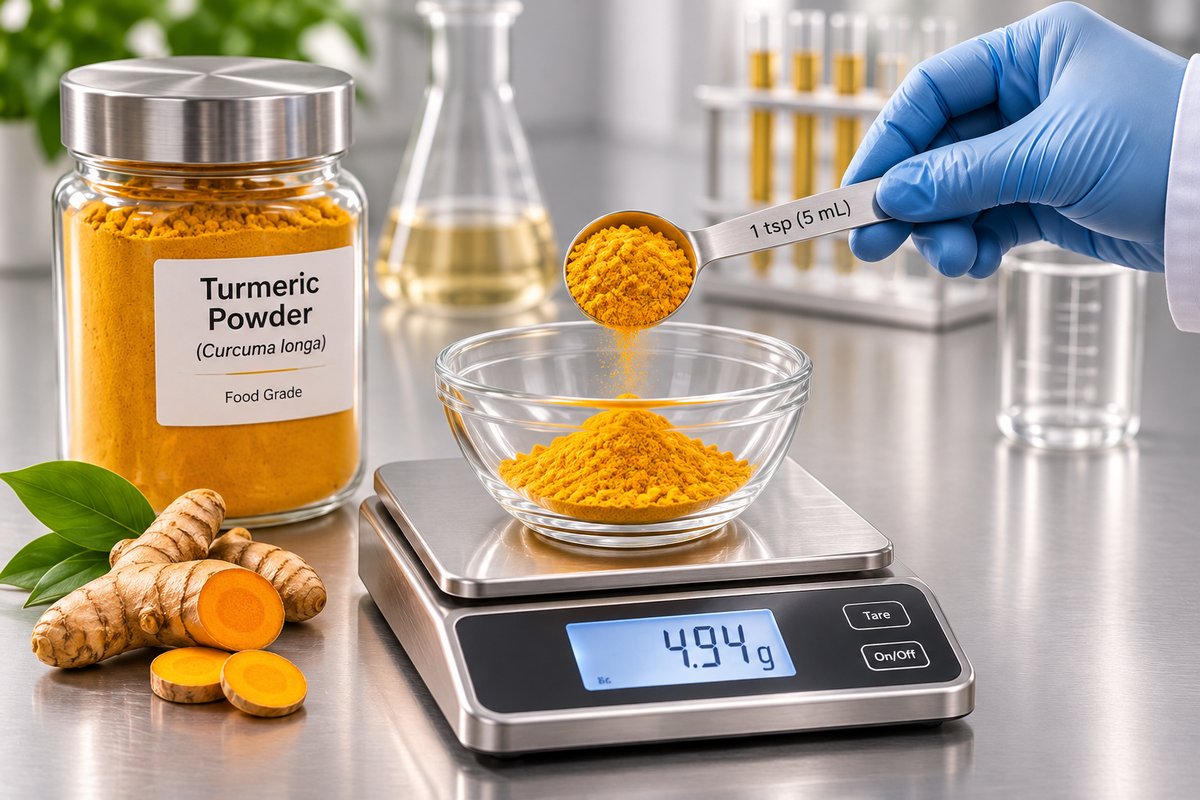
Ground turmeric (haldi) being measured by the teaspoon onto a digital scale, beside a jar of turmeric powder and fresh turmeric root
Limited evidence

Turmeric (haldi)

हल्दी ہلدی

Curcuma longa

Key compounds
Curcuminoids, mainly curcumin, the pigment that makes turmeric golden.
Traditional roots
Turmeric has been used for centuries in Ayurveda, India’s traditional medicine, for indigestion, respiratory infections and liver complaints.
What the science says
Curcumin affects inflammation pathways in lab studies, but NIH says research in people is limited. On its own it is poorly absorbed; it dissolves in fat, and black pepper’s piperine raised its absorption in a small human study. Cooking turmeric in oil with black pepper, as Desi recipes do, makes the most of it.
Keep in mind
  • Cooking amounts are considered safe. Turmeric supplements, especially high-absorption curcumin products, appear to have become the most common cause of herbal-related liver injury in the US, according to NIH’s LiverTox. Ask your doctor before taking them.
Used in
Restaurant-Style Kadai Chicken · Creamy Mushroom Masala · Aam ka Achaar (Mango Pickle) · Paneer Bhurji (with Homemade Paneer) · Chana Dal · Green Moong Dal · Aloo Gobi

Sources: NIH NCCIH: Turmeric · Shoba et al., piperine and curcumin absorption (Planta Medica, 1998) · NIH LiverTox: Turmeric
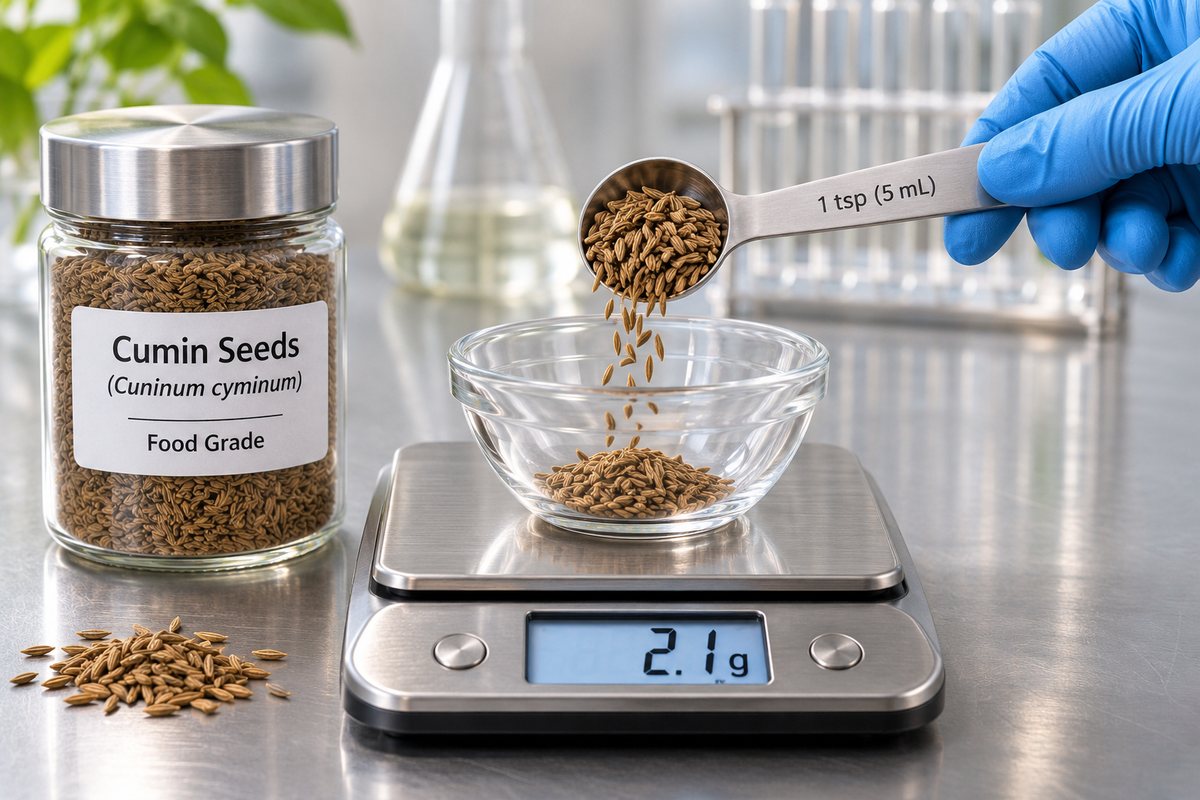
Cumin seeds (jeera) poured from a 1 tsp measuring spoon onto a digital scale reading 2.1 g, beside a labeled jar
Limited evidence

Cumin (jeera)

जीरा زیرہ

Cuminum cyminum

Key compounds
Cuminaldehyde, its main aroma compound, plus terpenes and flavonoids.
Traditional roots
In Ayurveda, Unani and Siddha medicine, cumin seeds are used to ease indigestion, bloating and diarrhea.
What the science says
Lab and animal studies point to antioxidant, antimicrobial and blood-sugar effects, but strong clinical trials in people are still lacking. In the kitchen, blooming whole seeds in hot fat (tadka) pulls their fat-soluble aroma compounds into the oil.
Keep in mind
  • Safe in cooking amounts.
Used in
Restaurant-Style Kadai Chicken · Creamy Mushroom Masala · Aam ka Achaar (Mango Pickle) · Paneer Bhurji (with Homemade Paneer) · Sookhe Kaale Chole · Chana Dal · Green Moong Dal · Aloo Gobi

Sources: Johri, Cuminum cyminum and Carum carvi: an update (Pharmacognosy Reviews, 2011) · Mnif & Aifa, Cumin from traditional uses to potential biomedical applications (Chem Biodivers, 2015)

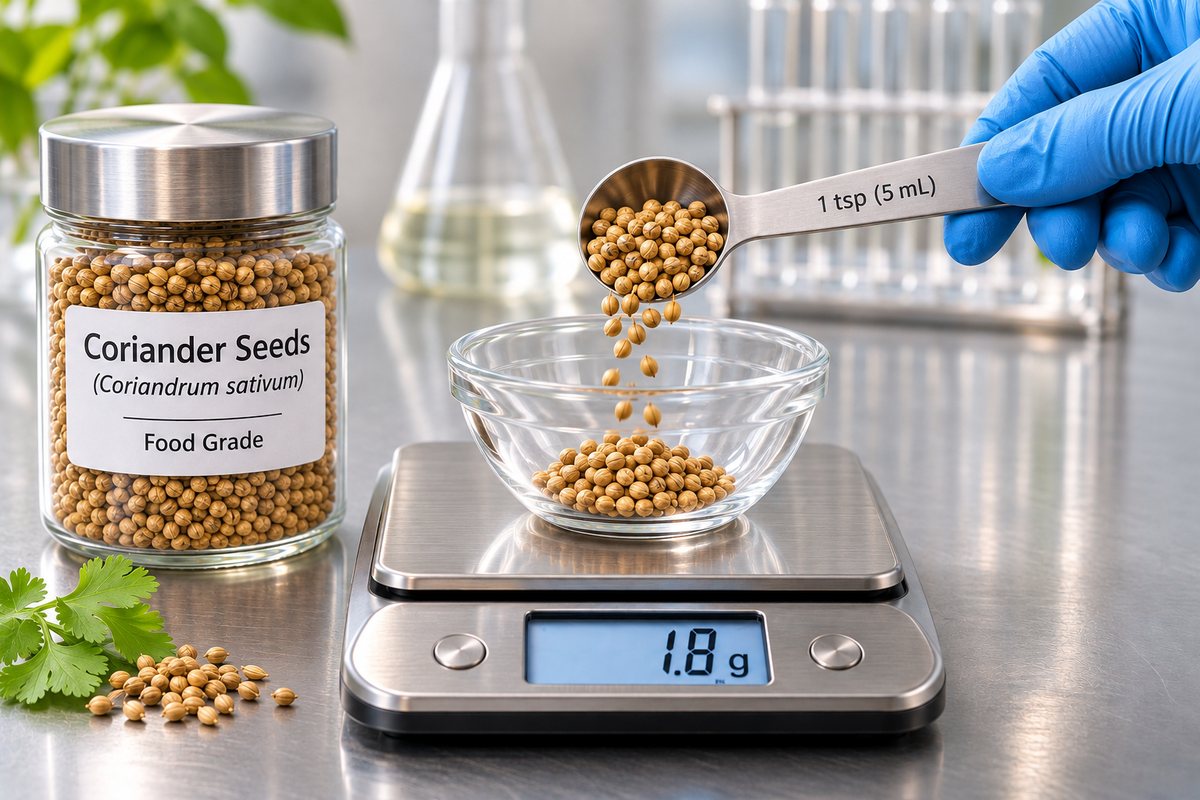
Coriander seeds (dhaniya) measured by the teaspoon on a digital scale reading 1.8 g
Limited evidence

Coriander (dhaniya)

धनिया دھنیا

Coriandrum sativum

Key compounds
Linalool dominates the seeds’ essential oil, giving their citrusy, floral scent.
Traditional roots
One of the oldest plants used as both food and medicine, traditionally taken for digestive complaints.
What the science says
Seed and leaf extracts show antimicrobial, antioxidant, blood-sugar-lowering and cholesterol-lowering effects, mostly in lab and animal studies. Human evidence is limited.
Keep in mind
  • Safe in cooking amounts.
Used in
Restaurant-Style Kadai Chicken · Creamy Mushroom Masala · Aam ka Achaar (Mango Pickle) · Paneer Bhurji (with Homemade Paneer) · Sookhe Kaale Chole

Sources: Laribi et al., Coriander and its bioactive constituents (Fitoterapia, 2015)

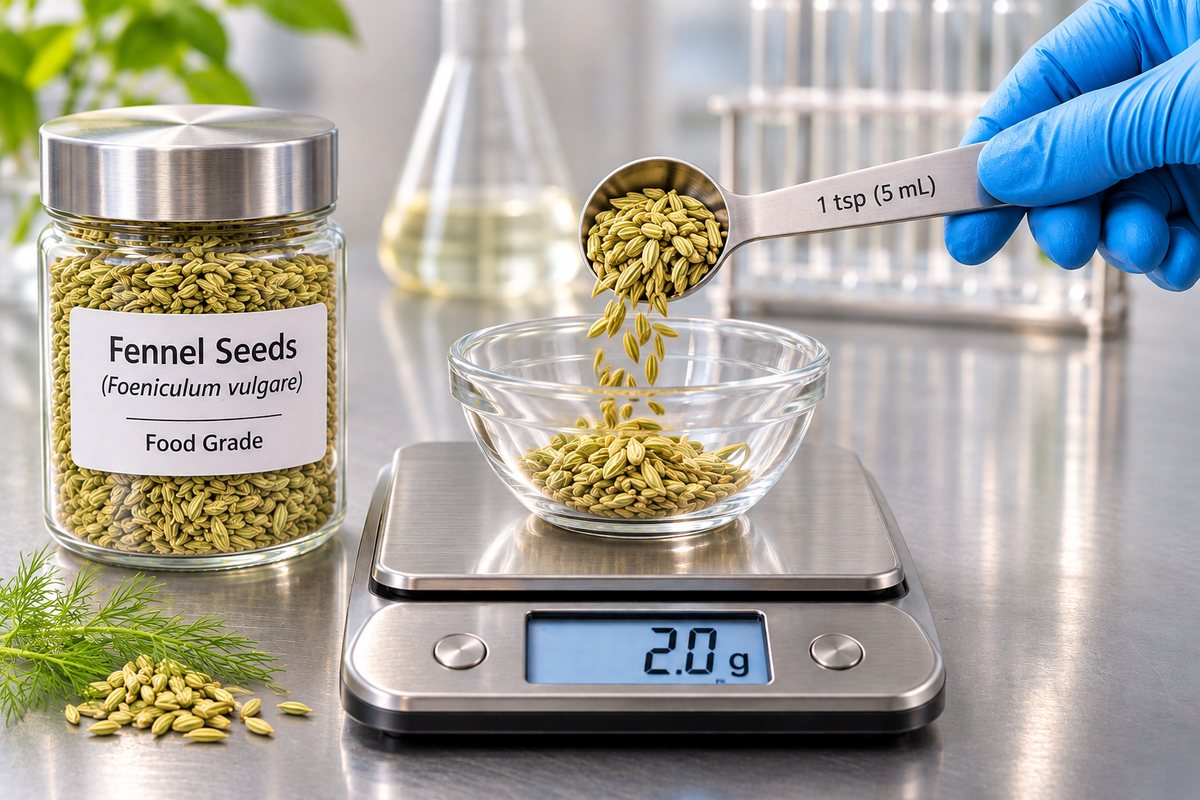
Fennel seeds (saunf) measured by the teaspoon on a digital scale reading 2.0 g
Limited evidence

Fennel seeds (saunf)

सौंफ سونف

Foeniculum vulgare

Key compounds
trans-Anethole, the sweet licorice-like aroma, with fenchone and flavonoids.
Traditional roots
Used in traditional medicine for digestive, respiratory and reproductive complaints and to support breast-milk supply. Chewing saunf after a meal is a classic Desi digestive and breath freshener.
What the science says
A large review found antimicrobial, antispasmodic and anti-inflammatory activity, mostly in lab and animal studies. Good human trials are few.
Keep in mind
  • Concentrated fennel oils and extracts are not the same as the seeds used in food.
Used in
Restaurant-Style Kadai Chicken · Aam ka Achaar (Mango Pickle) · Meethe Pude (Meetha Pura) · Achaari Chicken · Khatte Aloo with Puri

Sources: Badgujar et al., Foeniculum vulgare: a review (BioMed Research International, 2014)

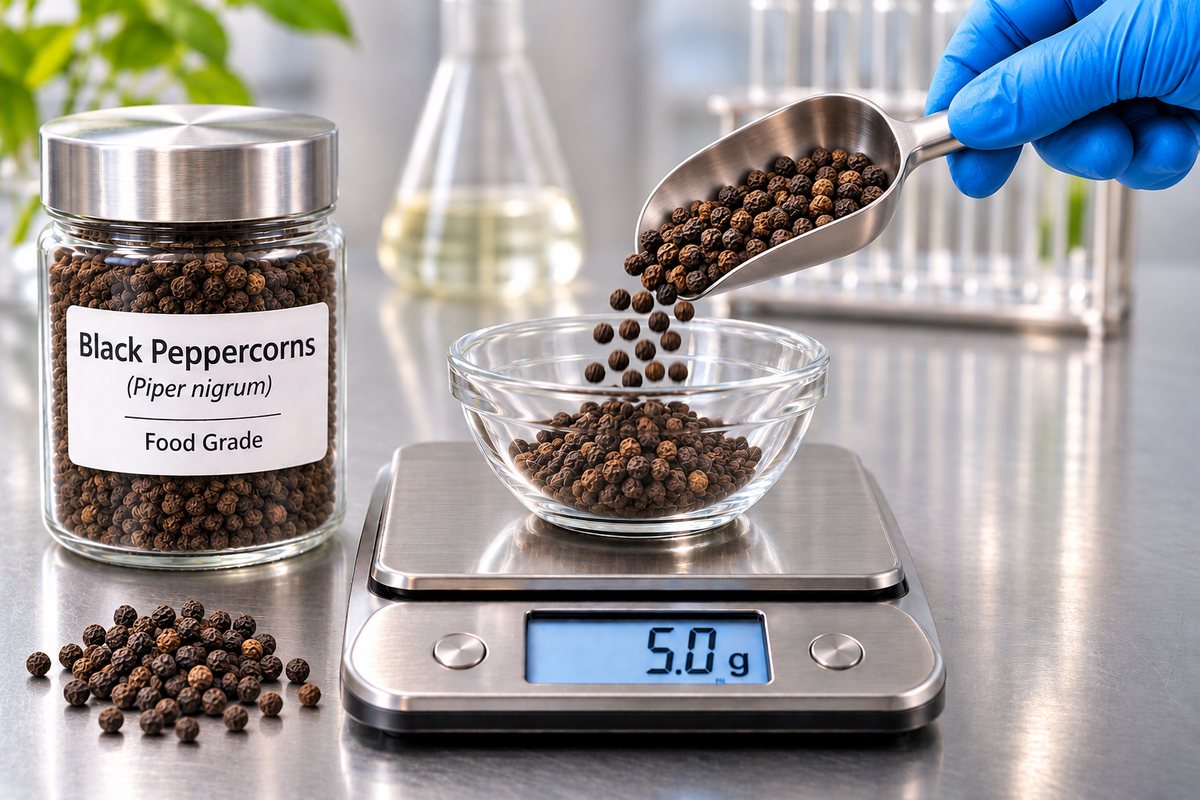
Whole black peppercorns (kali mirch) weighed on a digital scale
Some evidence

Black pepper (kali mirch)

काली मिर्च کالی مرچ

Piper nigrum

Key compounds
Piperine, the compound behind its bite.
Traditional roots
Black pepper was one of the most valuable spices of the ancient spice trade, carried from India’s Malabar Coast.
What the science says
In a small human study, 20 mg of piperine taken with curcumin raised curcumin levels in the blood about 20-fold. That is why recipes on this site pair turmeric with black pepper.
Keep in mind
  • The same absorption boost is why piperine is added to some turmeric supplements, which have been linked to liver injury. Cooking amounts are not a concern.
Used in
Restaurant-Style Kadai Chicken · Tandoori Chicken · Tandoori Lamb Chops

Sources: Shoba et al., piperine and curcumin absorption (Planta Medica, 1998) · Drug-induced liver injury associated with turmeric (Case Reports in Gastroenterology)

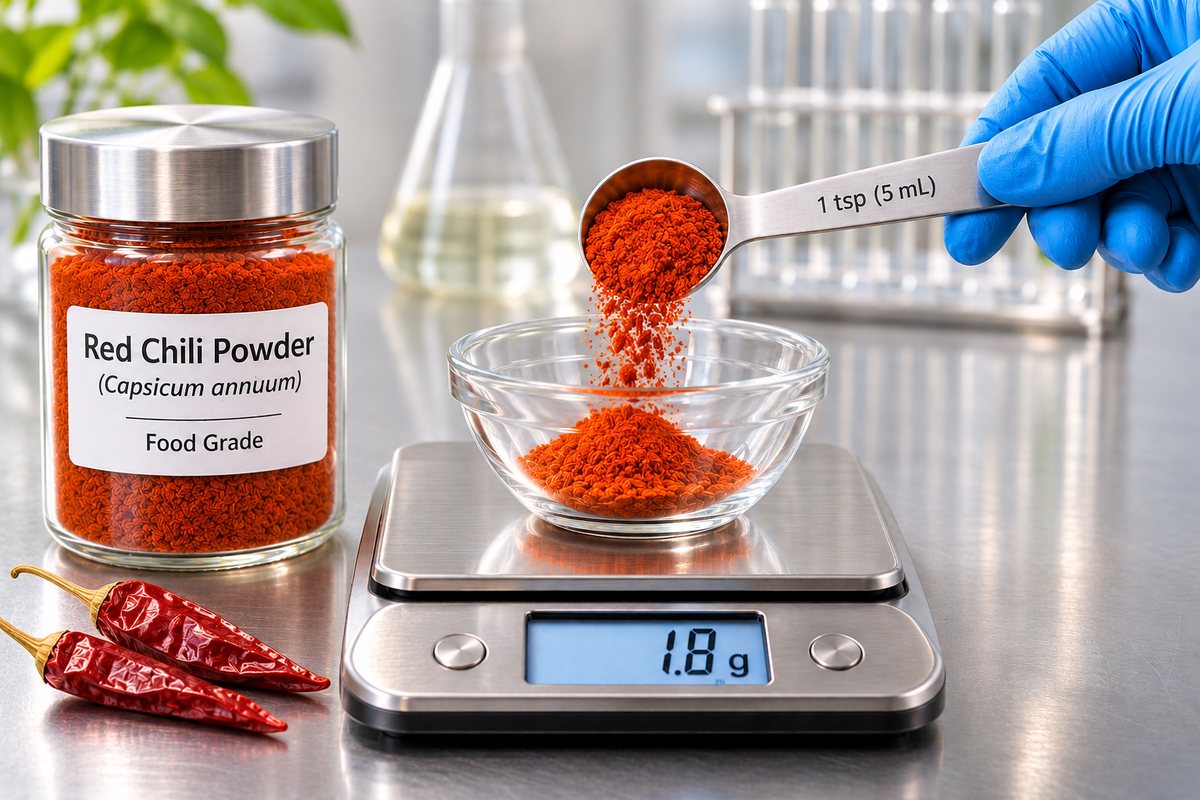
Red chili powder (lal mirch) measured by the teaspoon on a digital scale reading 1.8 g
Some evidence

Red chili (lal mirch)

लाल मिर्च لال مرچ

Capsicum annuum

Key compounds
Capsaicin, which triggers the heat-sensing receptor TRPV1 on the tongue, plus carotenoid pigments that give the red color.
Traditional roots
Chilies reached India from the Americas in the 1500s and quickly became central to Desi cooking.
What the science says
In a study of nearly 500,000 adults in China, people who ate spicy food 6–7 days a week had a 14% lower relative risk of death over about 7 years than those who ate it less than once a week. The study was observational, so it shows a link, not proof that chilies caused it.
Keep in mind
  • Can worsen heartburn. Kashmiri chili is mild and colorful; cayenne-type powders are much hotter.
Used in
Creamy Mushroom Masala · Aam ka Achaar (Mango Pickle) · Paneer Bhurji (with Homemade Paneer) · Tandoori Momos · Tandoori Chicken · Tandoori Lamb Chops · Bread Pakora · Chicken 65 · Restaurant-Style Kadai Chicken · Chili Garlic Momos · Steamed Chicken Momos · Missi Roti (Dal Paratha) · Adrak ka Achaar (Ginger Pickle) · Aloo Bread Rolls

Sources: Lv et al., Consumption of spicy foods and total and cause specific mortality (BMJ, 2015)

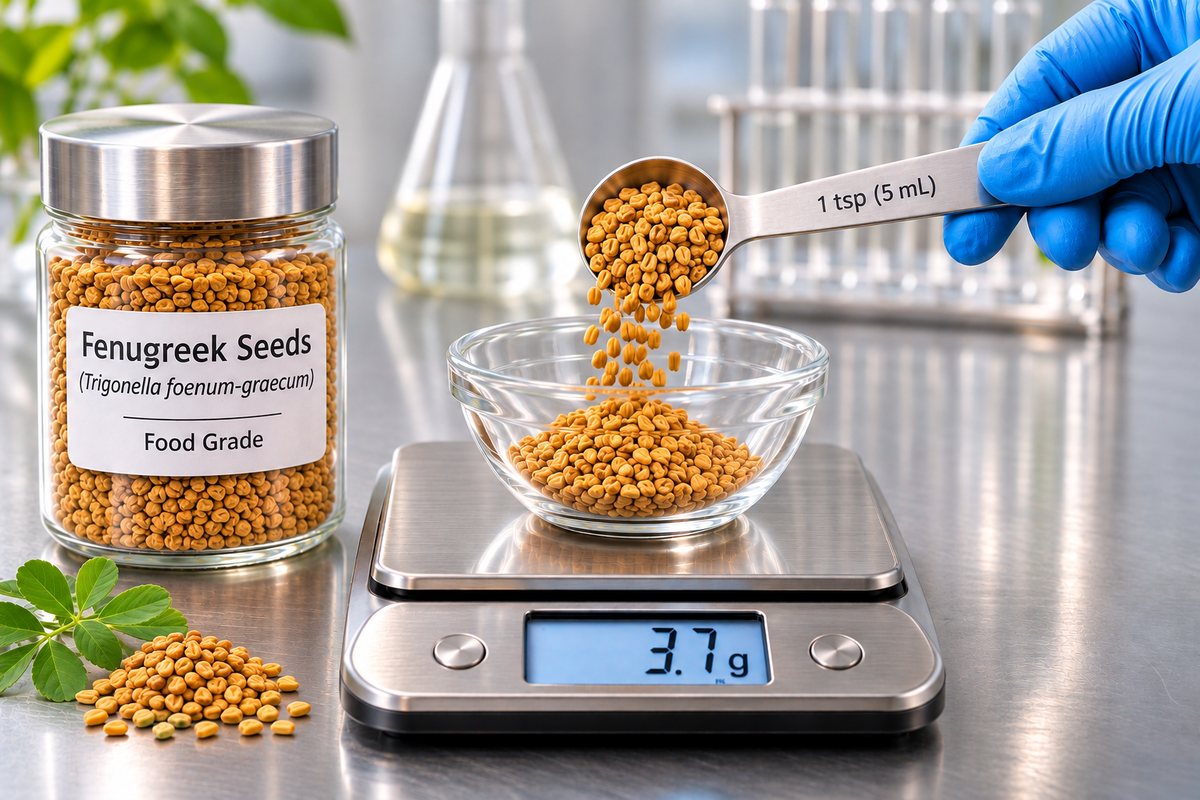
Fenugreek seeds (methi dana) measured by the teaspoon on a digital scale reading 3.7 g
Limited evidence

Fenugreek (methi dana and kasuri methi)

मेथी میتھی

Trigonella foenum-graecum

Key compounds
Soluble fiber (galactomannan) in the seeds, and sotolon, the compound that smells like maple syrup.
Traditional roots
Fenugreek has a long history as both food and medicine in India and China, traditionally used for diabetes and to increase breast-milk supply.
What the science says
NIH says some studies suggest fenugreek may lower blood sugar in type 2 diabetes, but many were not high quality. Studies on milk supply have had mixed results.
Keep in mind
  • Safe in food amounts. NIH says it is not safe during pregnancy in amounts greater than those in food, large doses may cause a harmful drop in blood sugar, and it can cause allergic reactions.
Used in
Aam ka Achaar (Mango Pickle) · Punjabi Kadhi Pakora · Achaari Chicken · Restaurant-Style Kadai Chicken · Creamy Mushroom Masala · Paneer Bhurji (with Homemade Paneer) · Dal Makhani · Tandoori Momos · Tandoori Chicken · Tandoori Lamb Chops · Missi Roti (Dal Paratha) · Mattar Paneer

Sources: NIH NCCIH: Fenugreek · NIH LactMed: Fenugreek

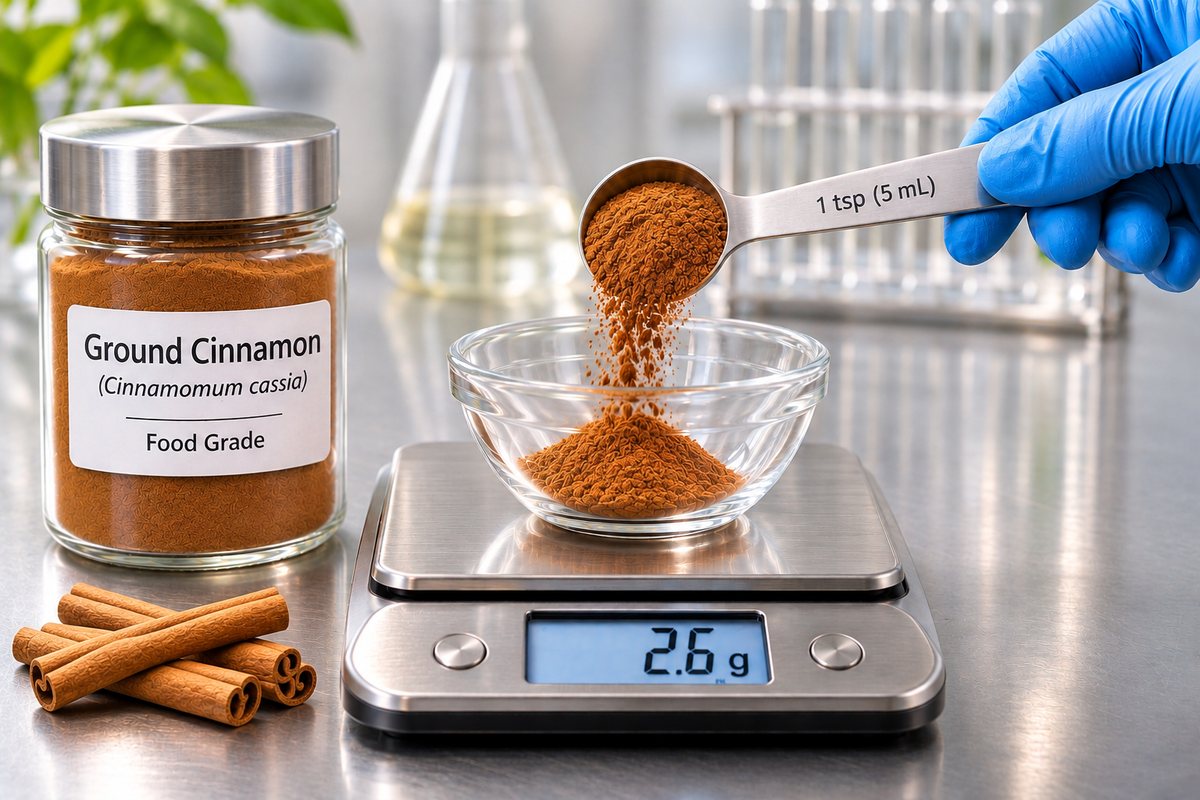
Ground cinnamon (dalchini) measured by the teaspoon on a digital scale reading 2.6 g, with cinnamon sticks
Limited evidence

Cinnamon (dalchini)

दालचीनी دار چینی

Cinnamomum cassia and C. verum

Key compounds
Cinnamaldehyde gives the warm aroma. Cassia cinnamon, the common US type, also contains coumarin.
Traditional roots
A prized bark spice for thousands of years, used in sweets, rice and garam masala.
What the science says
Cinnamon is often promoted for blood sugar, but NIH finds the research inconsistent.
Keep in mind
  • NIH notes that cassia cinnamon contains coumarin, which can harm the liver. Normal cooking amounts usually aren’t a problem, but long-term heavy use could matter for sensitive people, such as those with liver disease. Ceylon cinnamon has much less coumarin.
Used in
Cinnamon Raisin Walnut French Toast with Blueberry Syrup

Sources: NIH NCCIH: Cinnamon

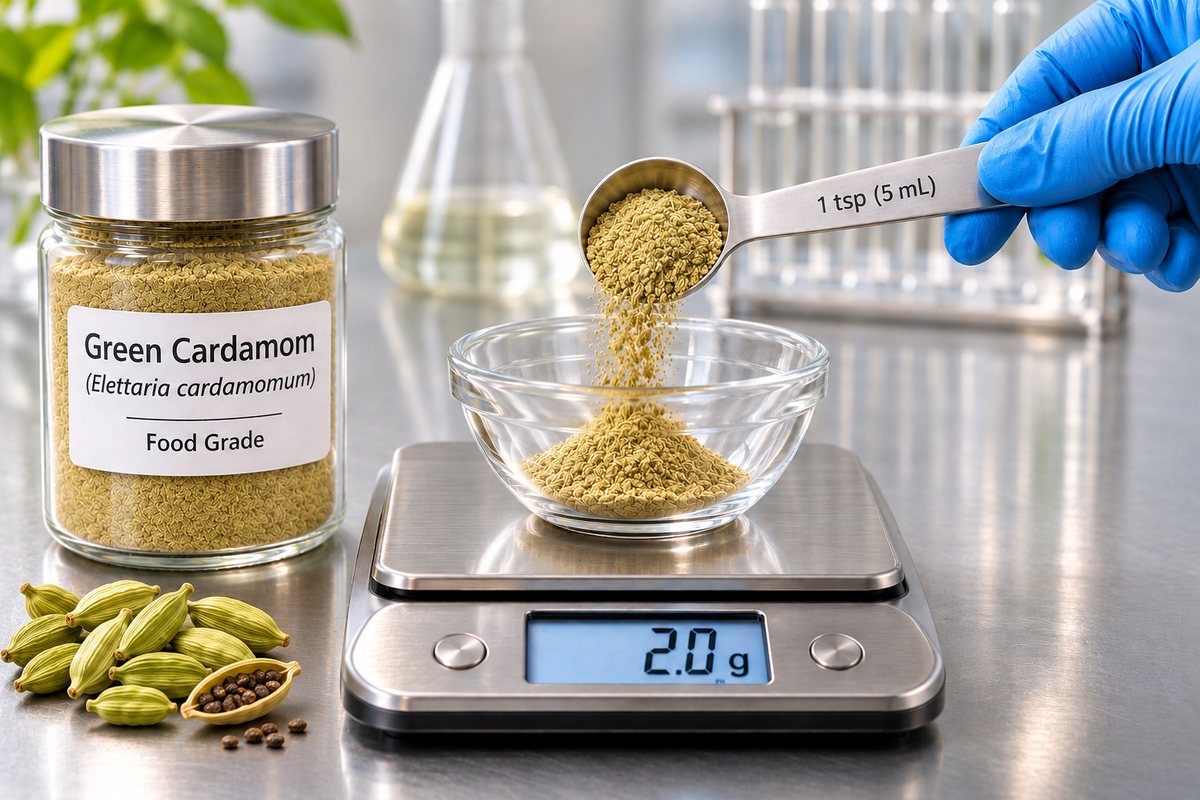
Ground green cardamom (elaichi) measured by the teaspoon on a digital scale, with whole pods
Limited evidence

Green cardamom (elaichi)

इलायची الائچی

Elettaria cardamomum

Key compounds
Aromatic essential oil (mainly 1,8-cineole and α-terpinyl acetate), plus phenolic compounds.
Traditional roots
Used in traditional medicine for digestion and fresh breath, and in Desi kitchens to perfume sweets and chai.
What the science says
Small clinical trials using about 3 g a day have reported improvements in cholesterol and other metabolic markers, but trials are few and results are mixed.
Keep in mind
  • Safe in cooking amounts.
Used in
Coconut Sooji Halwa · Seviyan (Vermicelli Kheer) · Rasmalai · Meethe Pude (Meetha Pura)

Sources: Yahyazadeh et al., Cardamom and the metabolic syndrome: narrative review (Iran J Basic Med Sci, 2021) · Ashokkumar et al., Botany, traditional uses and biological activities of cardamom (J Ethnopharmacol, 2020)

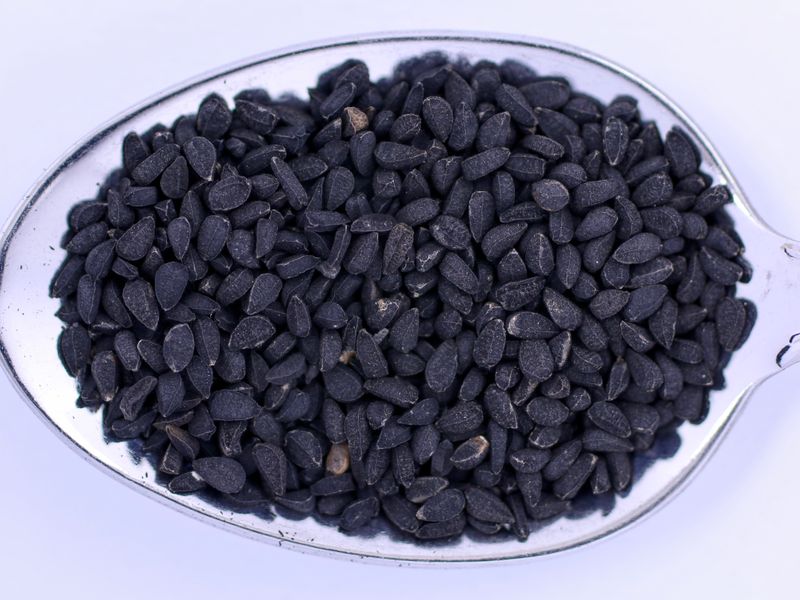
Small black nigella seeds (kalonji) on a plate
Limited evidence

Nigella seeds (kalonji)

कलौंजी کلونجی

Nigella sativa

Key compounds
Thymoquinone, the main active compound in the seed oil.
Traditional roots
Known as habbat-ul-sauda (“the black seed”) in Unani and Prophetic medicine (Tibb-e-Nabwi), where it is prized as a remedy for many ailments.
What the science says
Dozens of small clinical trials have tested black seed for blood pressure, cholesterol, blood sugar and asthma. Reviews conclude that most of these effects still need larger, better-designed studies.
Keep in mind
  • Black-seed oil supplements are far more concentrated than seeds in food. Check with your doctor before using them.
Used in
Aam ka Achaar (Mango Pickle) · Achaari Chicken

Sources: Ahmad et al., A review on therapeutic potential of Nigella sativa (Asian Pac J Trop Biomed, 2013) · Tavakkoli et al., Review on clinical trials of black seed and thymoquinone (J Pharmacopuncture, 2017)

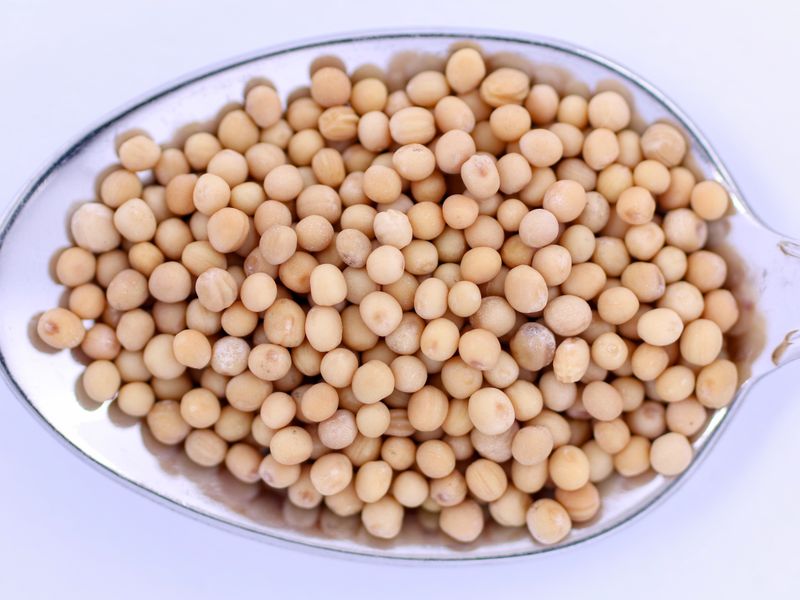
Pale yellow mustard seeds on a plate
Food science

Mustard seeds and mustard oil (rai and sarson ka tel)

राई · सरसों का तेल رائی · سرسوں کا تیل

Brassica juncea and Sinapis alba

Key compounds
Glucosinolates. When seeds are cracked and wet, the enzyme myrosinase turns them into sharp isothiocyanates. Mustard oil is high in monounsaturated fat and contains erucic acid.
Traditional roots
Mustard oil is the traditional fat of Punjabi and Bengali pickles and cooking.
What the science says
The pungency only forms after the seed is cracked, which is why achaar uses split mustard (rai kuriya) and why the heat fades when mustard is cooked.
Keep in mind
  • FDA does not allow expressed mustard oil to be sold as a cooking oil in the US because of its erucic acid; it is sold labeled for external use. See the achaar recipe for alternatives.
Used in
Aam ka Achaar (Mango Pickle) · Achaari Chicken

Sources: FDA Import Alert 26-04: expressed mustard oil

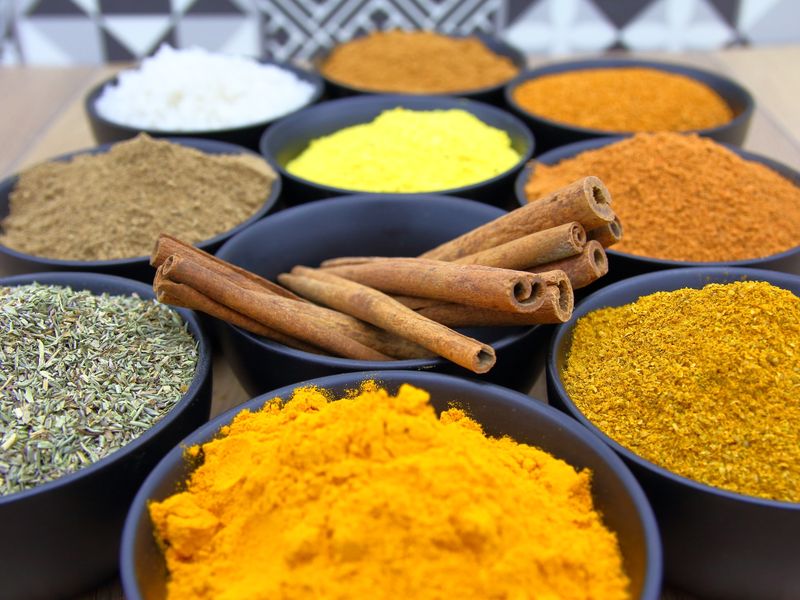
Bowls of Indian spices with cinnamon sticks, the warm spices that go into garam masala
Food science

Spice blends and amchur (garam masala, chaat masala, achaar masala)

मसाले · अमचूर مصالحے · امچور

Key compounds
Blends combine the spices above. Amchur is dried unripe mango, tart from its natural fruit acids.
Traditional roots
Each family and region has its own garam masala. It goes in at the end because its aromatics are delicate and fade with long cooking.
What the science says
A pinch of a blend adds small amounts of many spices, so any health effect is the sum of small parts. The real benefit is flavor without extra fat or sugar.
Keep in mind
  • Chaat masala usually contains black salt (kala namak), and pickle masalas are often salted, so both add sodium.
Used in
Restaurant-Style Kadai Chicken · Creamy Mushroom Masala · Paneer Bhurji (with Homemade Paneer) · Sookhe Kaale Chole · Dal Makhani · Rajma Chawal (Mothi Chawal) · Tandoori Momos · Tandoori Chicken · Tandoori Lamb Chops · Aloo Bread Rolls · Chana Dal · Aloo Gobi · Dahi Puri (Doi Phuchka) · Aam ka Achaar (Mango Pickle) · Bread Pakora · Khatte Aloo with Puri

Sources: Dietary Guidelines for Americans

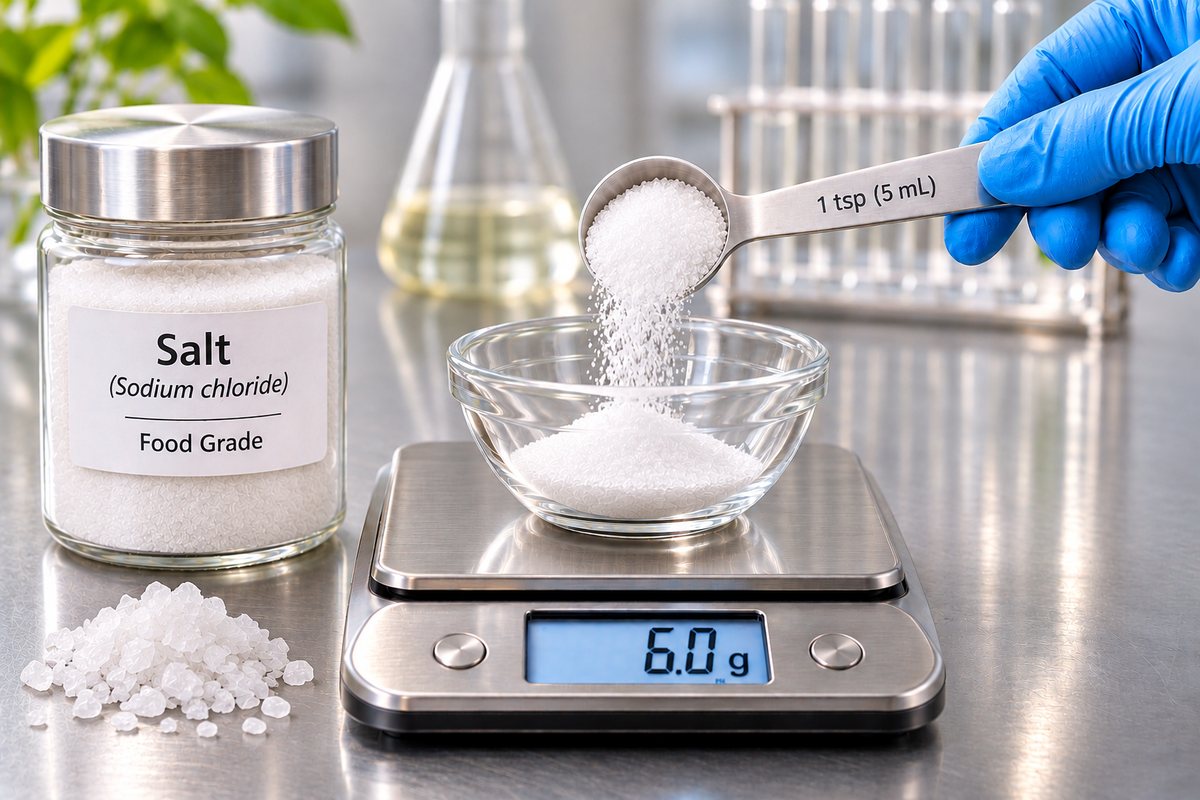
Salt (namak) measured by the teaspoon on a digital scale reading 6.0 g
Well established

Salt and soy sauce (namak)

नमक نمک

Sodium chloride

Key compounds
Sodium and chloride.
Traditional roots
Salt has preserved food for millennia. In achaar it draws water out of the mango by osmosis, helping keep spoilage microbes away.
What the science says
Sodium is essential, but most people eat too much, which raises blood pressure. The Dietary Guidelines advise adults to keep sodium under 2,300 mg a day, about 1 teaspoon of salt.
Keep in mind
  • Pickles, chaat masala, soy sauce, canned beans and store-bought pastes add hidden sodium. A tablespoon of regular soy sauce has close to 900 mg; low-sodium versions have much less. Rinsing canned beans removes some sodium too.
Used in
Aam ka Achaar (Mango Pickle) · Sookhe Kaale Chole · Adrak ka Achaar (Ginger Pickle) · Steamed Chicken Momos · Chili Garlic Momos · Chicken Sweet Corn Soup · Veg Hakka Noodles

Sources: Dietary Guidelines for Americans · Duyff, Mount & Jones, sodium reduction in canned beans (J Culinary Science & Technology, 2011)

Aromatics, vegetables and fruit

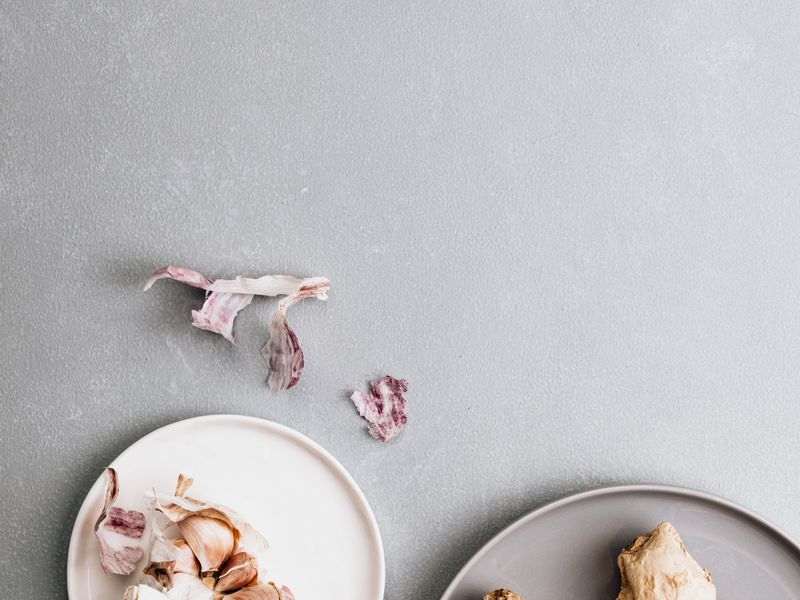
Fresh ginger root and garlic cloves on small plates
Some evidence

Ginger and garlic (adrak and lahsun)

अदरक · लहसुन ادرک · لہسن

Zingiber officinale and Allium sativum

Key compounds
Gingerols in fresh ginger, which turn into sharper shogaols when dried or cooked. In garlic, crushing triggers an enzyme that forms allicin.
Traditional roots
NIH notes ginger has had a prominent role in Chinese, Indian and Japanese medicine for hundreds of years, and garlic has been used as both medicine and spice for thousands of years.
What the science says
NIH says ginger may help mild nausea and vomiting in pregnancy. Garlic supplements may lower total and LDL cholesterol a little in people with high cholesterol, and may help high blood pressure, though that evidence is limited.
Keep in mind
  • Cooking amounts are considered safe. Garlic supplements may raise bleeding risk, so tell your doctor if you take blood thinners or have surgery planned.
Used in
Restaurant-Style Kadai Chicken · Creamy Mushroom Masala · Steamed Chicken Momos · Chili Garlic Momos · Tandoori Chicken · Tandoori Lamb Chops · Adrak ka Achaar (Ginger Pickle) · Chicken Sweet Corn Soup · Chana Dal · Green Moong Dal · Aloo Gobi · Chicken 65

Sources: NIH NCCIH: Ginger · NIH NCCIH: Garlic

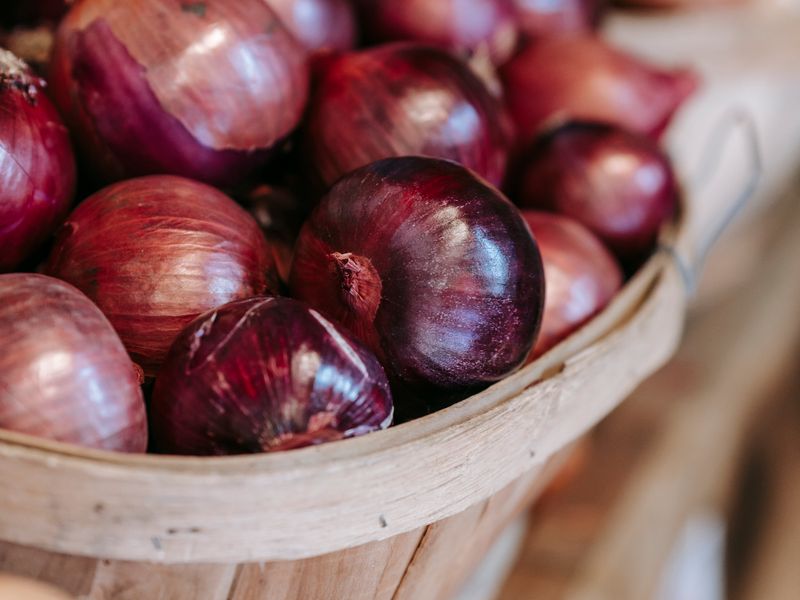
A basket of whole red onions
Food science

Onions and spring onions (pyaz)

प्याज़ پیاز

Allium cepa

Key compounds
Sulfur compounds (the ones that make you cry) and flavonoids such as quercetin.
Traditional roots
The backbone of North Indian and Pakistani gravies.
What the science says
Onions count toward your daily vegetables. In Desi cooking they’re mainly the flavor base: slow browning builds sweetness and savory depth through caramelization and the Maillard reaction.
Used in
Restaurant-Style Kadai Chicken · Creamy Mushroom Masala · Missi Roti (Dal Paratha) · Punjabi Kadhi Pakora · Paneer Bhurji (with Homemade Paneer) · Steamed Chicken Momos · Chili Garlic Momos · Chicken Sweet Corn Soup · Veg Hakka Noodles

Sources: Dietary Guidelines for Americans

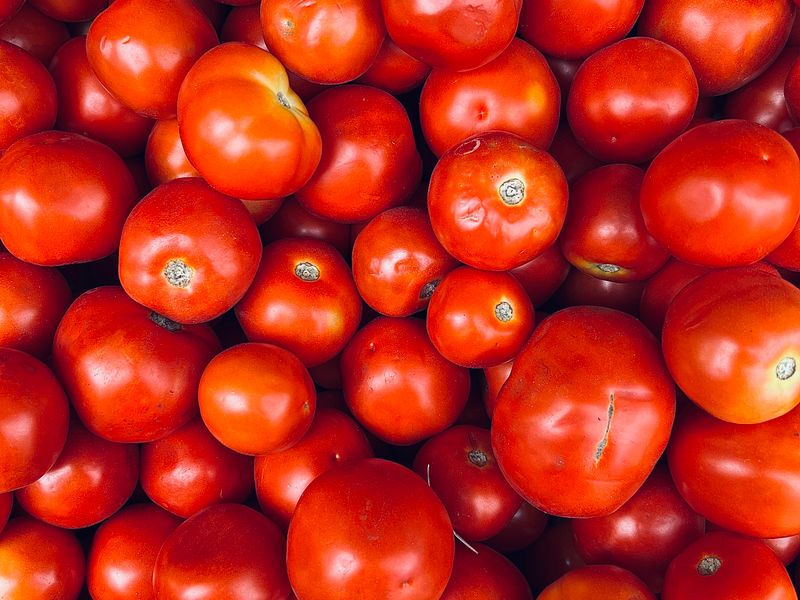
A pile of ripe red tomatoes
Some evidence

Tomatoes (tamatar)

टमाटर ٹماٹر

Solanum lycopersicum

Key compounds
Lycopene, the red carotenoid, plus vitamin C and potassium.
Traditional roots
Tomatoes came to South Asia from the Americas only a few centuries ago, yet they are now essential to the masala base.
What the science says
Cooking makes more lycopene available. In a Cornell study, heating tomatoes for 30 minutes raised available trans-lycopene by about 164% and antioxidant activity by about 62%, while vitamin C fell about 29%. Lycopene is fat-soluble, so cooking tomatoes in oil helps.
Used in
Restaurant-Style Kadai Chicken · Creamy Mushroom Masala · Rajma Chawal (Mothi Chawal) · Aloo Mattar

Sources: Dewanto et al., Thermal processing enhances the nutritional value of tomatoes (J Agric Food Chem, 2002)

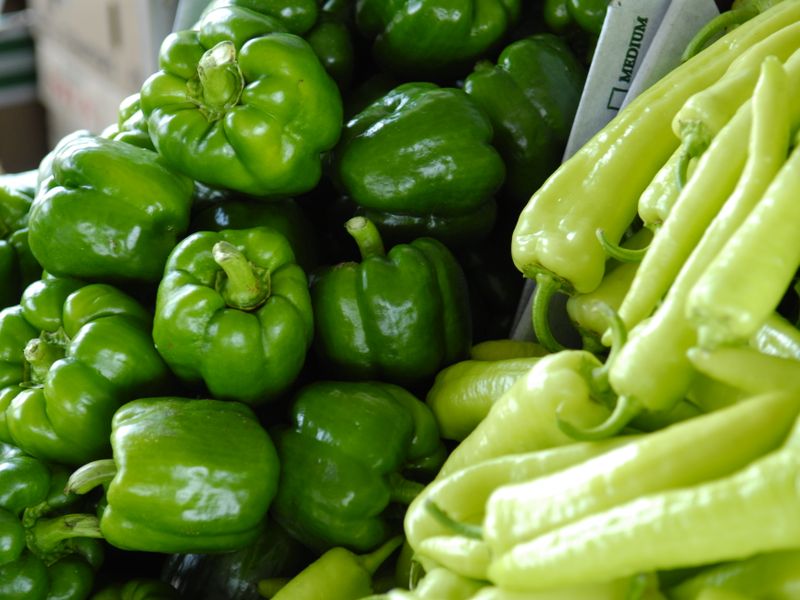
Green bell peppers (capsicum) next to long green chilies
Well established

Bell pepper (shimla mirch)

शिमला मिर्च شملہ مرچ

Capsicum annuum

Key compounds
Vitamin C and carotenoids.
Traditional roots
Known in Hindi and Urdu as shimla mirch, it gives kadai dishes their fresh crunch.
What the science says
Bell peppers are among the richest vegetable sources of vitamin C. Brief cooking, as in kadai chicken, keeps more of this heat-sensitive vitamin.
Used in
Restaurant-Style Kadai Chicken · Veg Hakka Noodles

Sources: NIH Office of Dietary Supplements: Vitamin C

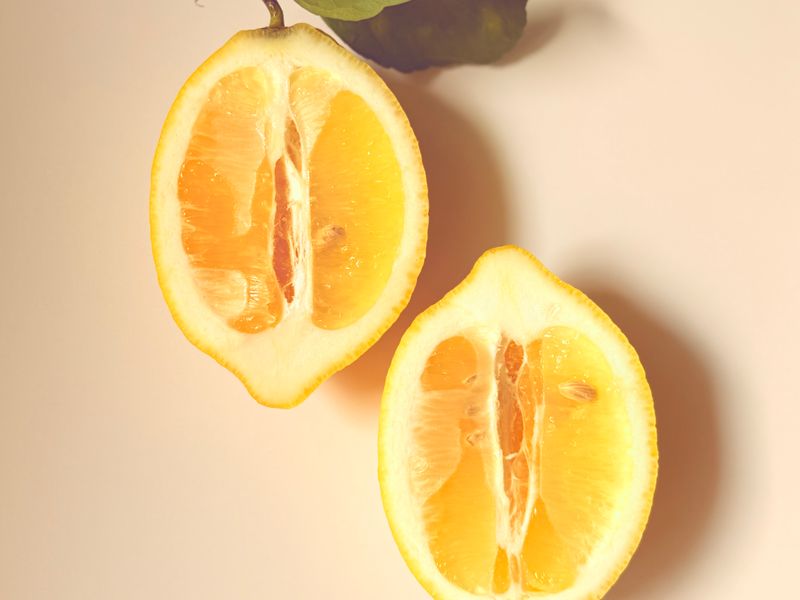
A lemon cut in half
Well established

Lemon (nimbu)

नींबू لیموں

Citrus limon

Key compounds
Citric acid and vitamin C.
Traditional roots
A squeeze of nimbu finishes dals, chaats and curries across South Asia.
What the science says
Vitamin C helps your body absorb the iron in plant foods like lentils and beans, so lemon on dal is a smart pairing.
Used in
Restaurant-Style Kadai Chicken · Paneer Bhurji (with Homemade Paneer) · Tandoori Chicken · Tandoori Lamb Chops · Adrak ka Achaar (Ginger Pickle) · Green Moong Dal

Sources: NIH Office of Dietary Supplements: Vitamin C · NIH Office of Dietary Supplements: Iron

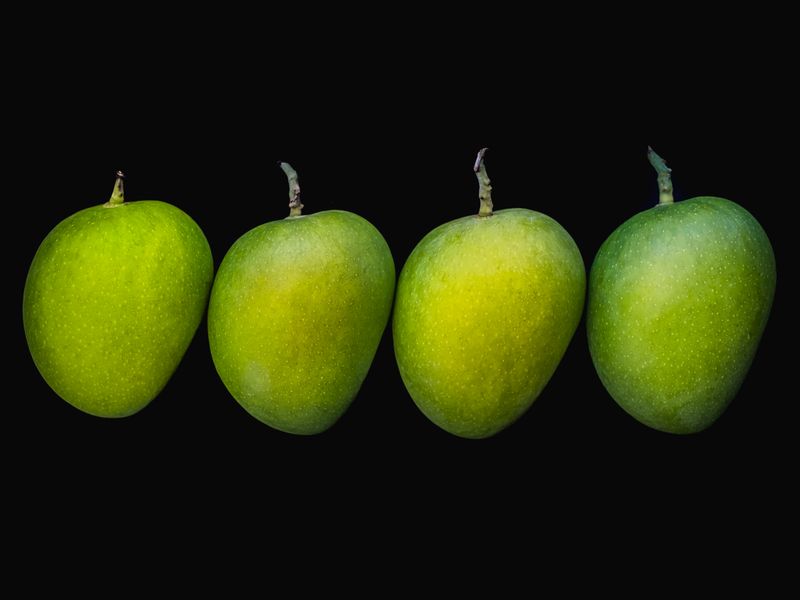
Four unripe green mangoes on a black background
Food science

Raw green mango (kairi)

कैरी کیری

Mangifera indica

Key compounds
Natural fruit acids that make unripe mango very sour.
Traditional roots
Summer achaar from raw mango is a tradition in almost every Desi household.
What the science says
In achaar, salt, acid and oil work together: salt pulls out water, the fruit’s acid lowers pH, and the oil layer limits air, which together keep spoilage microbes in check.
Keep in mind
  • Homemade pickles are not tested shelf-stable products. Refrigerate them and discard any with mold or an off smell.
Used in
Aam ka Achaar (Mango Pickle)

Sources: Dietary Guidelines for Americans

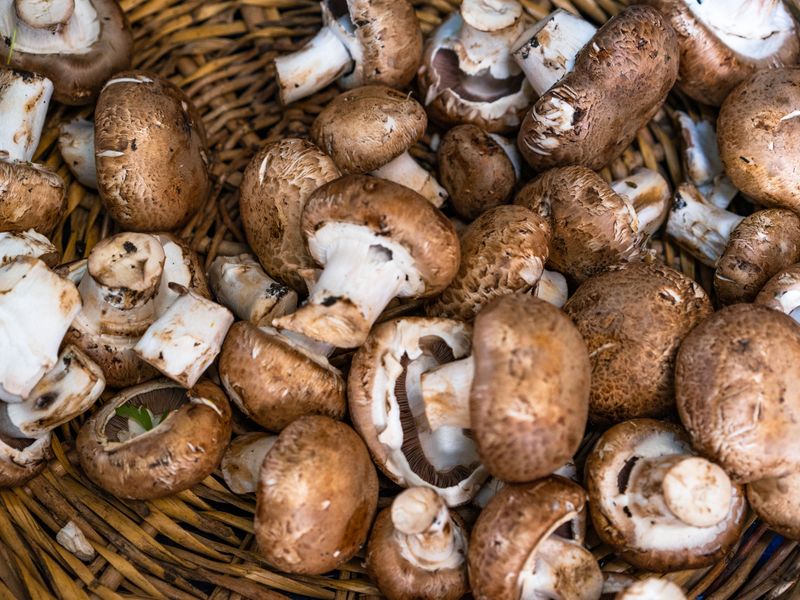
A basket of brown cremini mushrooms
Well established

Mushrooms (khumbi)

खुंभी کھمبی

Agaricus bisporus

Key compounds
Natural glutamates for savory flavor; ergosterol, which UV light turns into vitamin D.
Traditional roots
A newer arrival in Desi kitchens, now a favorite vegetarian swap for meat.
What the science says
Mushrooms are very low in calories. Those exposed to UV light (labeled “high in vitamin D”) can supply a large share of daily vitamin D; regular cremini contain little.
Used in
Creamy Mushroom Masala

Sources: Cardwell et al., mushrooms as a source of vitamin D (Nutrients, 2018) · NIH Office of Dietary Supplements: Vitamin D

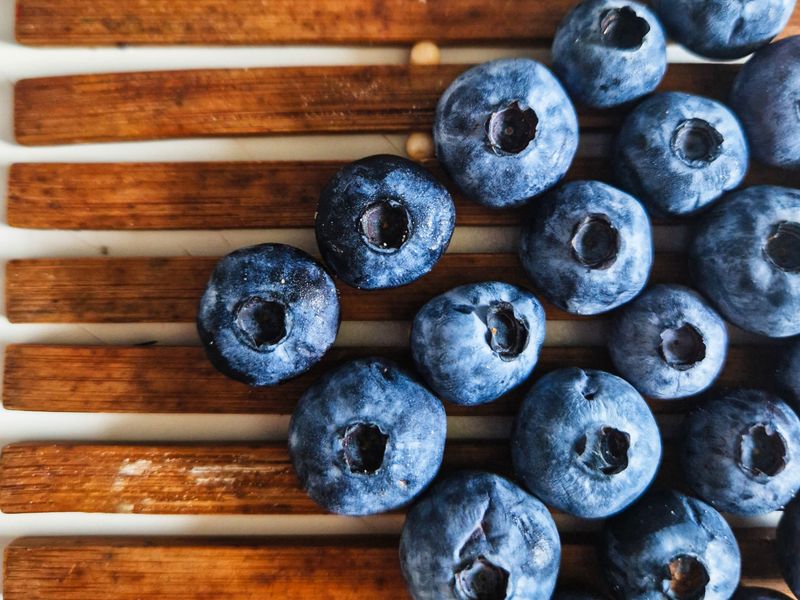
Fresh blueberries
Well established

Blueberries and raisins (kishmish)

किशमिश کشمش

Vaccinium and Vitis vinifera

Key compounds
Fiber, potassium and plant pigments (anthocyanins give blueberries their color).
Traditional roots
Kishmish and other dried fruit (mevā) are classic in halwa, seviyan and festive sweets.
What the science says
Whole fruit counts toward the fruit the Dietary Guidelines recommend. Dried fruit is concentrated: ½ cup of raisins counts as 1 cup of fruit, with the sugar and calories to match.
Used in
Cinnamon Raisin Walnut French Toast with Blueberry Syrup · Coconut Sooji Halwa

Sources: Dietary Guidelines for Americans

Pulses and grains

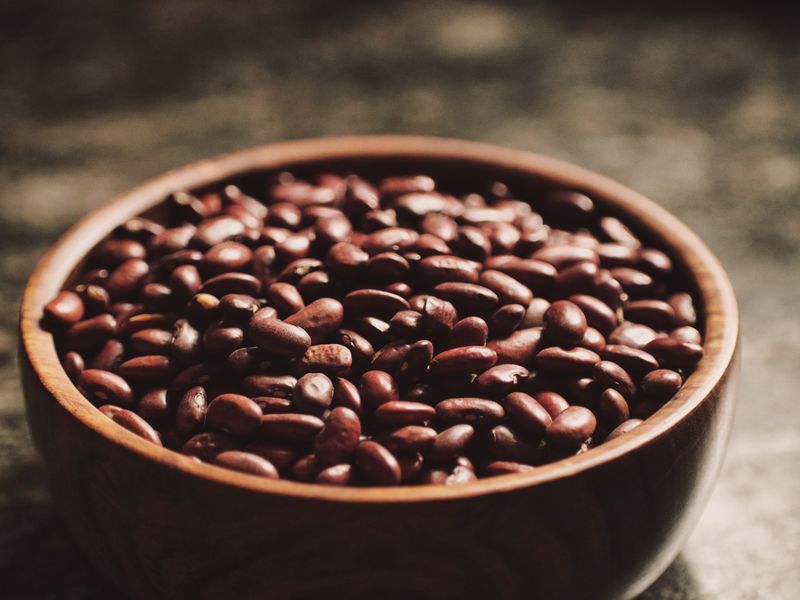
A wooden bowl of red kidney beans
Well established

Beans and lentils (rajma, kala chana, urad)

राजमा · काले चने · उड़द راجما · کالے چنے · ماش

Phaseolus vulgaris, Cicer arietinum, Vigna mungo

Key compounds
Fiber, plant protein, folate, iron, potassium and slow-digesting starch.
Traditional roots
Dal and beans have been the protein foundation of South Asian diets for thousands of years.
What the science says
Diets rich in pulses are linked to lower LDL cholesterol and better blood sugar control, and their slow-digesting starch gives a gentler blood-sugar rise than refined grains. Pairing them with rice gives a more complete protein.
Keep in mind
  • Raw or undercooked kidney beans contain phytohaemagglutinin, a toxin destroyed only by thorough boiling; canned beans are already cooked.
  • Rinsing canned beans cut their sodium by about 41% in one study.
Used in
Dal Makhani · Rajma Chawal (Mothi Chawal) · Sookhe Kaale Chole · Dahi Puri (Doi Phuchka)

Sources: Harvard T.H. Chan School of Public Health: Legumes and pulses · Dietary guidance for pulses (Annals of the New York Academy of Sciences, 2017) · Pulses: healthy and sustainable food sources (Int J Mol Sci, 2017) · FDA Bad Bug Book: phytohaemagglutinin in red kidney beans · Duyff, Mount & Jones, sodium reduction in canned beans (J Culinary Science & Technology, 2011)

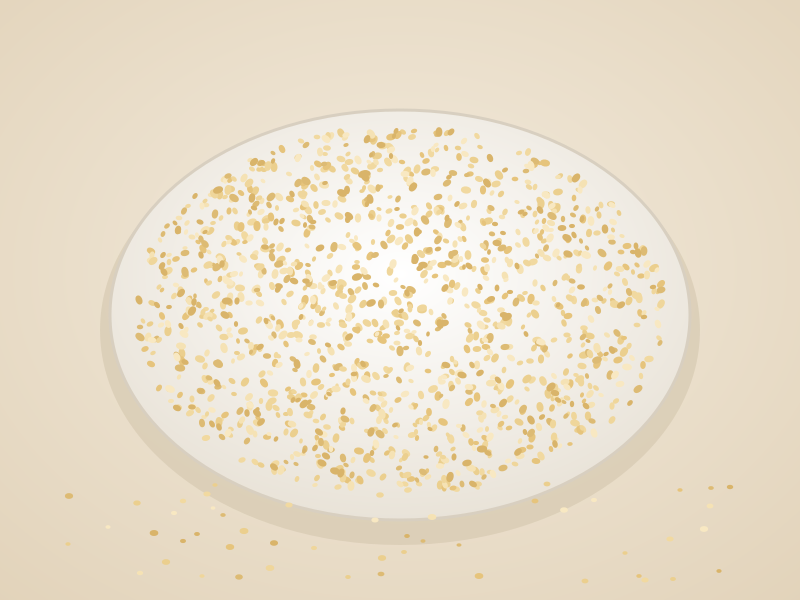
Illustration of coarse semolina (sooji) grains
Well established

Semolina, flour, vermicelli and bread (sooji, maida, seviyan)

सूजी · सेवइयां سوجی · سویاں

Triticum durum and T. aestivum

Key compounds
Starch and wheat protein (gluten); durum wheat is higher in protein than many soft flours.
Traditional roots
Sooji halwa and seviyan are festival staples, from Navratri to Eid.
What the science says
Semolina, vermicelli and white bread are refined grains. The Dietary Guidelines advise making at least half your grains whole.
Keep in mind
  • Contains wheat (gluten).
Used in
Coconut Sooji Halwa · Seviyan (Vermicelli Kheer) · Steamed Chicken Momos · New Yorker Crepe · Cinnamon Raisin Walnut French Toast with Blueberry Syrup

Sources: Dietary Guidelines for Americans

Chicken, eggs, dairy, fats and sweeteners

Well established

Chicken and turkey (murgh)

चिकन مرغ

Key compounds
Complete protein with all the essential amino acids; skinless poultry is relatively low in saturated fat.
Traditional roots
From kadai chicken to momos, poultry is the most popular meat in Desi home cooking.
What the science says
The Dietary Guidelines list poultry among the protein foods to rotate with beans, lentils, eggs, fish and nuts. Choosing skinless cuts or lean mince keeps saturated fat lower.
Keep in mind
  • Cook ground chicken or turkey to 165°F (74°C); grinding spreads surface bacteria through the meat, so it must be cooked through.
Used in
Steamed Chicken Momos · Chicken Sweet Corn Soup

Sources: Dietary Guidelines for Americans · FoodSafety.gov: safe minimum internal temperatures

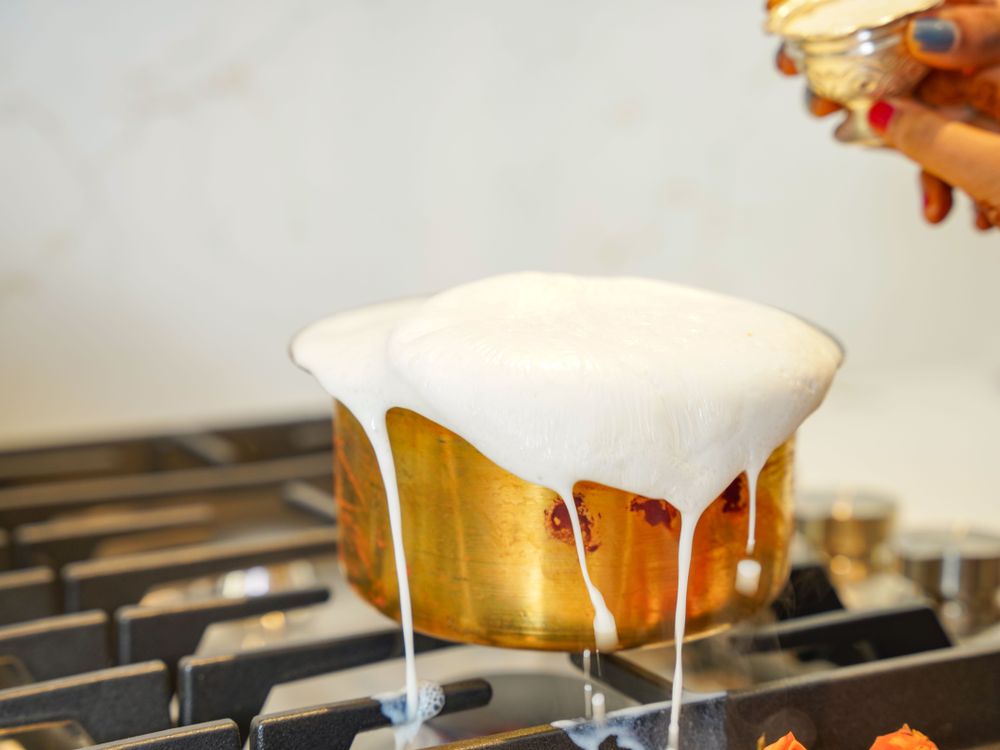
Milk foaming up and boiling over the sides of a pot on the stove
Well established

Milk, paneer and ricotta (doodh, paneer, chhena)

दूध · पनीर دودھ · پنیر

Key compounds
Calcium and high-quality casein and whey protein.
Traditional roots
Milk sweets and fresh paneer are central to North Indian and Pakistani cooking.
What the science says
Dairy foods are the main source of calcium in most diets. Paneer forms when acid makes casein proteins clump in hot milk, trapping fat and some whey.
Keep in mind
  • Full-fat dairy adds saturated fat; see ghee and cream below.
Used in
Coconut Sooji Halwa · Paneer Bhurji (with Homemade Paneer) · Seviyan (Vermicelli Kheer) · Rasmalai · New Yorker Crepe · Mattar Paneer · Creamy Mushroom Masala

Sources: NIH Office of Dietary Supplements: Calcium · Khan & Pal, Paneer production: a review (J Food Sci Technol)

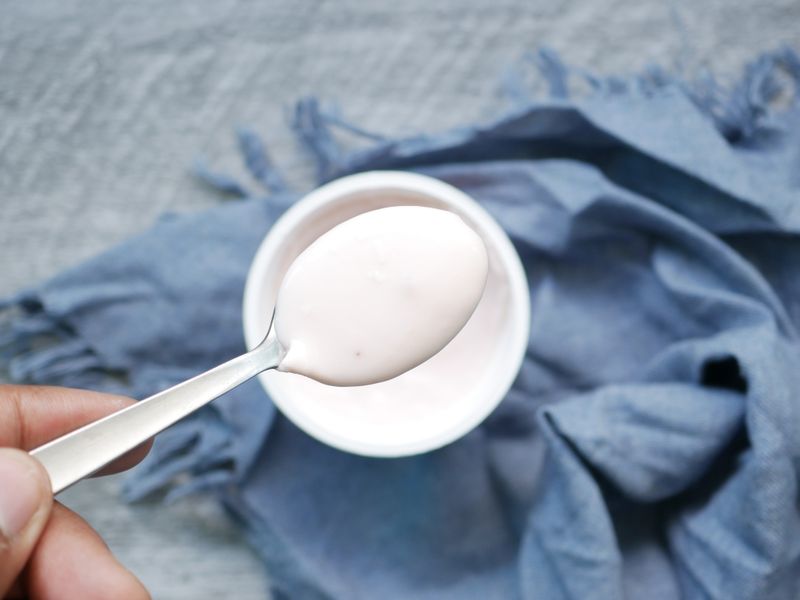
A small bowl of plain white yogurt with a spoon
Some evidence

Yogurt (dahi)

दही دہی

Key compounds
Calcium, protein and, in yogurts with live cultures, bacteria such as Lactobacillus.
Traditional roots
Homemade dahi, set from yesterday’s batch, is a daily staple and a classic cooling side.
What the science says
NIH says probiotics may help some kinds of diarrhea, but strong evidence for most other uses is lacking, and not every yogurt contains live cultures. In marinades, yogurt’s mild acid tenderizes meat gently.
Used in
Restaurant-Style Kadai Chicken · Tandoori Momos · Tandoori Chicken · Tandoori Lamb Chops · Dahi Puri (Doi Phuchka) · Punjabi Kadhi Pakora · Chicken 65 · Achaari Chicken

Sources: NIH NCCIH: Probiotics, usefulness and safety · NIH Office of Dietary Supplements: Calcium

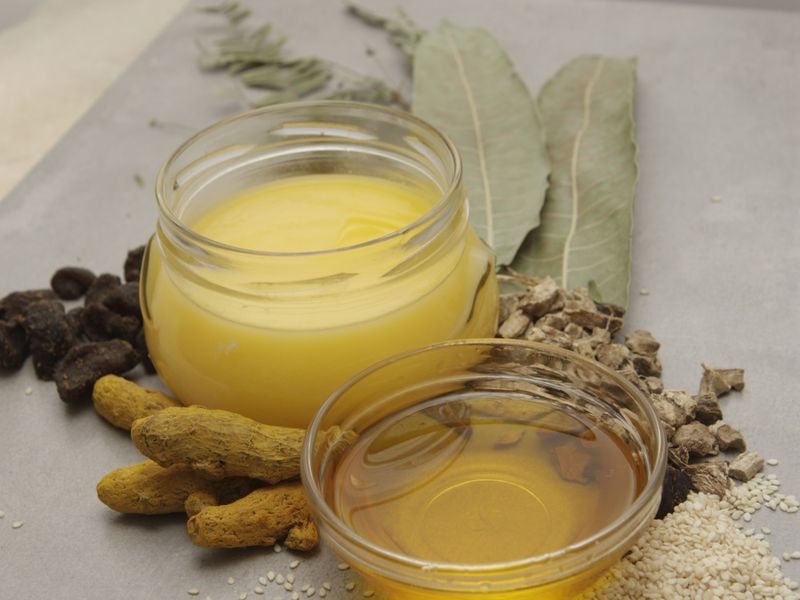
Golden ghee (clarified butter) in a glass jar and bowl
Well established

Ghee, butter and cream (ghee, makkhan, malai)

घी · मक्खन · मलाई گھی · مکھن · ملائی

Key compounds
Mostly saturated fat. Ghee is butter with its water and milk solids removed.
Traditional roots
Ghee is central to South Asian cooking and ritual. Clarifying removes milk solids and water, so it keeps well and tolerates high heat.
What the science says
The American Heart Association reports that replacing saturated fat with polyunsaturated vegetable oils lowered cardiovascular disease by about 30% in trials. The Dietary Guidelines advise keeping saturated fat under 10% of daily calories.
Keep in mind
  • Use for flavor at the finish, and cook the base in a vegetable oil, to cut saturated fat without losing the taste.
Used in
Restaurant-Style Kadai Chicken · Rajma Chawal (Mothi Chawal) · Missi Roti (Dal Paratha) · Chana Dal · Meethe Pude (Meetha Pura) · Cinnamon Raisin Walnut French Toast with Blueberry Syrup · Coconut Sooji Halwa · Dal Makhani · Seviyan (Vermicelli Kheer) · New Yorker Crepe · Creamy Mushroom Masala

Sources: American Heart Association: Dietary fats and cardiovascular disease, top things to know (2017) · Dietary Guidelines for Americans

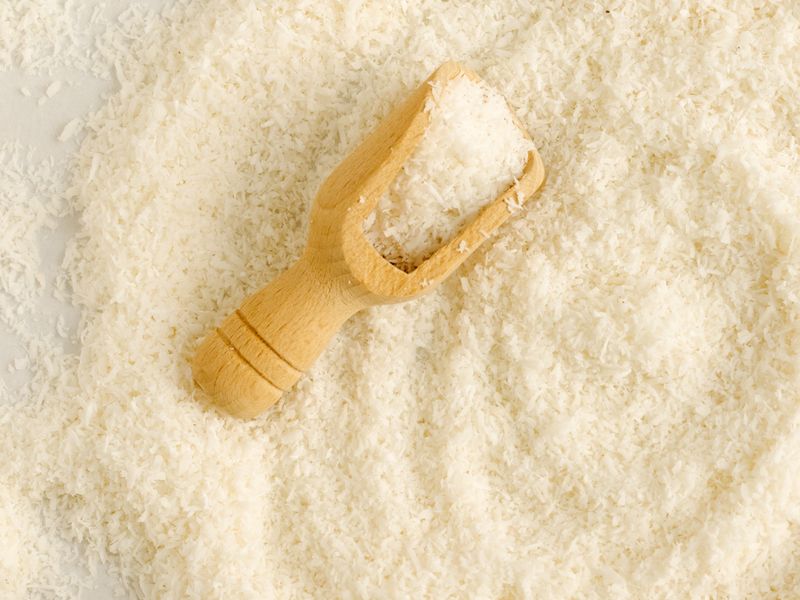
Finely grated dried coconut with a wooden scoop
Well established

Coconut (nariyal)

नारियल ناریل

Cocos nucifera

Key compounds
Mostly saturated fat, plus fiber in the grated flesh.
Traditional roots
Essential across coastal South Asia, and a festive addition to North Indian sweets.
What the science says
The American Heart Association notes that 82% of the fat in coconut oil is saturated and that it raises LDL cholesterol, despite its healthy reputation.
Used in
Coconut Sooji Halwa

Sources: American Heart Association: Dietary fats and cardiovascular disease, top things to know (2017)

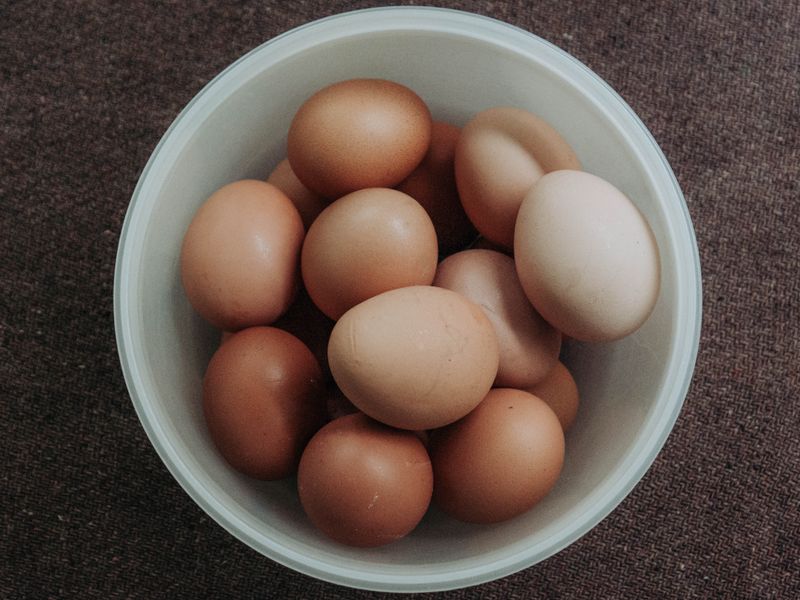
A bowl of brown and white eggs
Well established

Eggs (ande)

अंडे انڈے

Key compounds
Complete protein and choline.
Traditional roots
Anda bhurji and anda paratha are beloved Desi breakfasts.
What the science says
Eggs are one of the best sources of choline, which the body needs for memory, mood and muscle control.
Keep in mind
  • Each large egg has about 185 mg of dietary cholesterol. The Dietary Guidelines advise keeping dietary cholesterol as low as possible within a healthy eating pattern.
Used in
Cinnamon Raisin Walnut French Toast with Blueberry Syrup · Chicken Sweet Corn Soup · New Yorker Crepe

Sources: NIH Office of Dietary Supplements: Choline · Dietary Guidelines for Americans

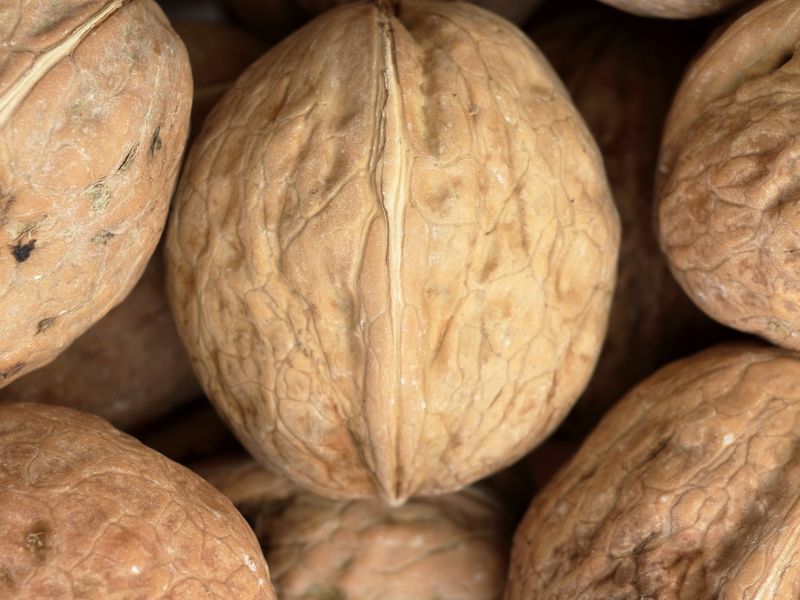
Close-up of walnuts
Some evidence

Walnuts (akhrot)

अखरोट اخروٹ

Juglans regia

Key compounds
Alpha-linolenic acid (ALA), a plant omega-3 fat, plus polyphenols.
Traditional roots
Kashmiri walnuts are prized across South Asia.
What the science says
FDA allows a qualified health claim: supportive but not conclusive research shows that eating 1.5 oz of walnuts a day, as part of a diet low in saturated fat and cholesterol and without adding calories, may reduce the risk of coronary heart disease.
Keep in mind
  • Tree nut allergen.
Used in
Cinnamon Raisin Walnut French Toast with Blueberry Syrup

Sources: NIH Office of Dietary Supplements: Omega-3 fatty acids · FDA: Qualified health claims, letters of enforcement discretion (walnuts and heart disease)

Maple syrup being poured from a small bottle
Well established

Sugar and maple syrup (cheeni)

चीनी چینی

Key compounds
Sucrose, glucose and fructose. Maple syrup has trace minerals, but not enough to matter.
Traditional roots
Mithai are part of every celebration.
What the science says
The Dietary Guidelines advise keeping added sugars under 10% of daily calories, about 50 g (12 teaspoons) on a 2,000-calorie day.
Keep in mind
  • Recipes on this site list lighter sugar options where it doesn’t hurt the result.
Used in
Cinnamon Raisin Walnut French Toast with Blueberry Syrup

Sources: Dietary Guidelines for Americans