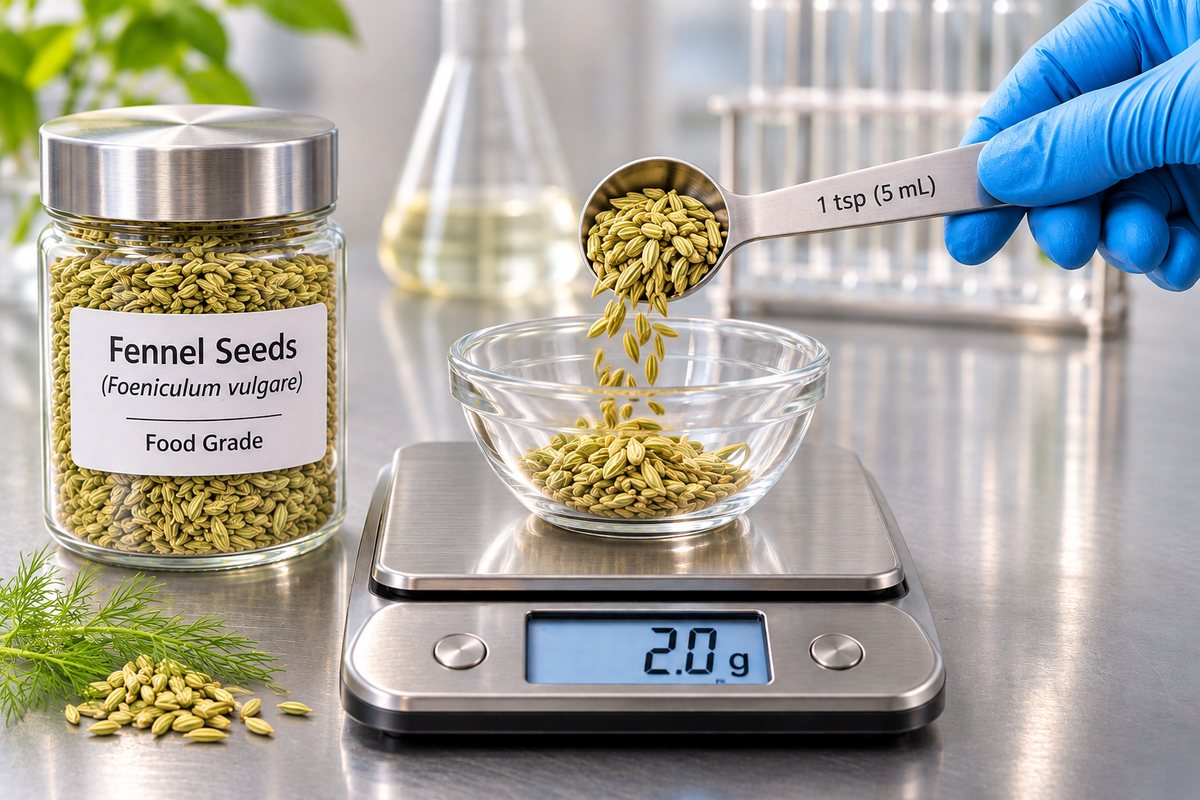
Fennel seeds
सौंफسونف
saunf
Whole seeds.
Its job: Sweet, licorice-like aroma.
Also called Achari Murgh · Achar Gosht-style Chicken · अचारी चिकन · اچاری چکن
Chicken simmered with the whole spices of mango pickle, fennel, mustard, fenugreek, nigella and cumin, in a tangy yogurt-tomato gravy. Punchy, sour and aromatic.
 From the MedRise Food Science kitchenPublished
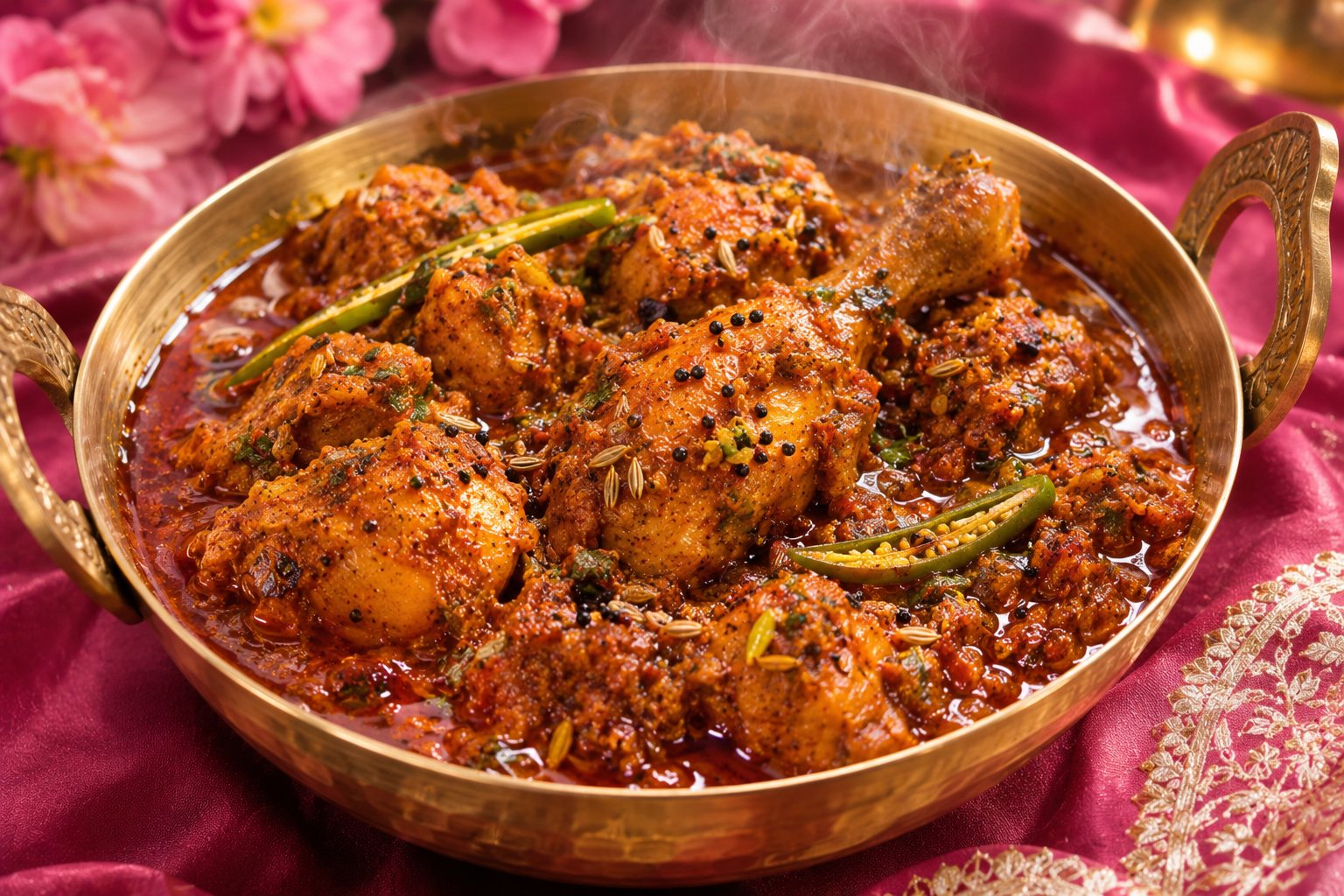
Achaari means “pickle-style.” Achaari chicken is cooked with the whole spices used to make Punjabi mango pickle, fennel, mustard seeds, fenugreek, nigella and cumin, plus a tangy yogurt and tomato gravy, so it tastes like aam ka achaar in curry form.
Achaar gosht, the mutton version, is a Pakistani and Hyderabadi favorite; chicken cooks faster and is just as good.
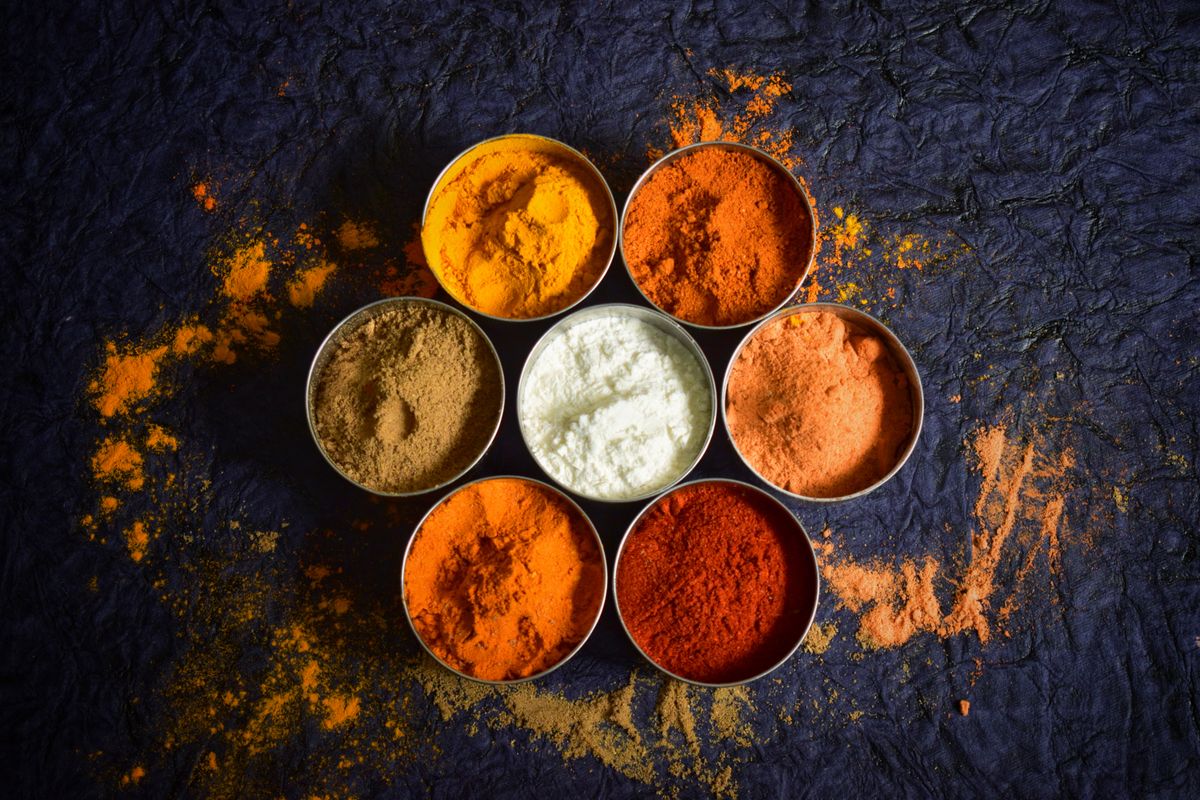
The main ingredients, with their English, Hindi and Urdu names.
Whole seeds.
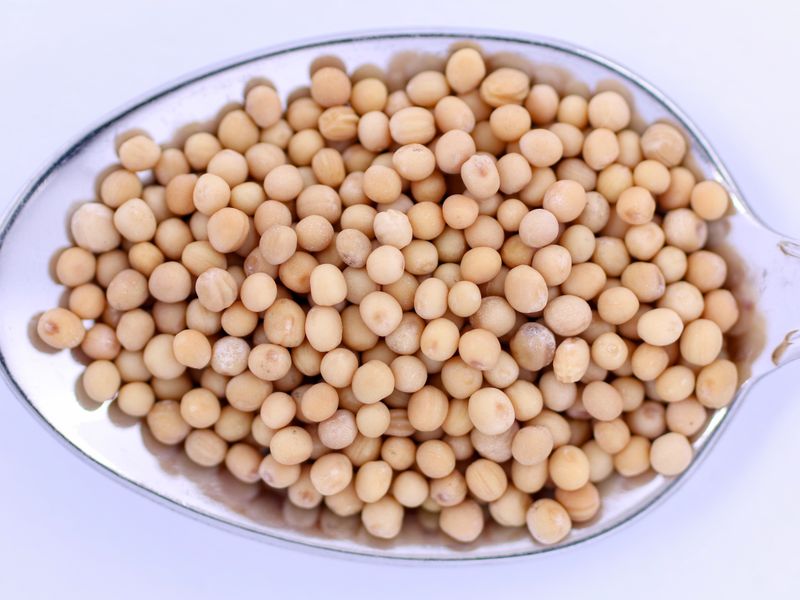
Small yellow or black seeds.
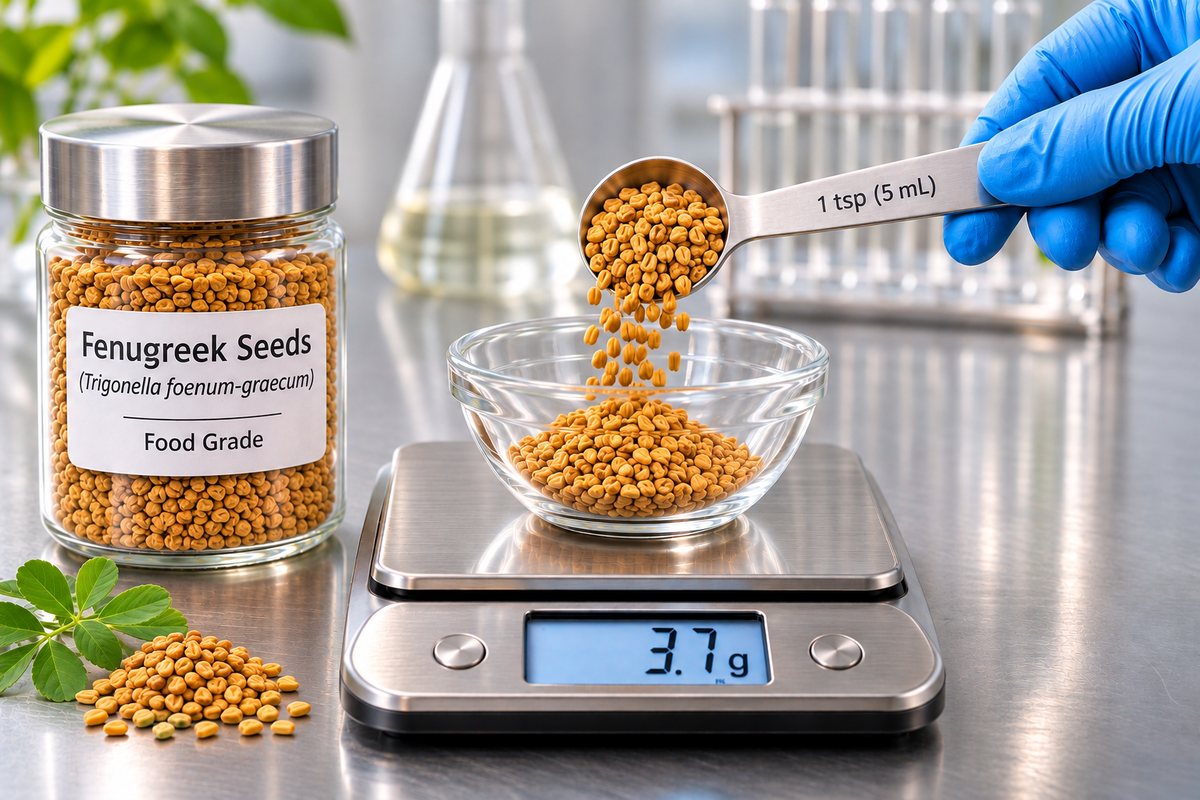
Small, hard, bitter seeds.
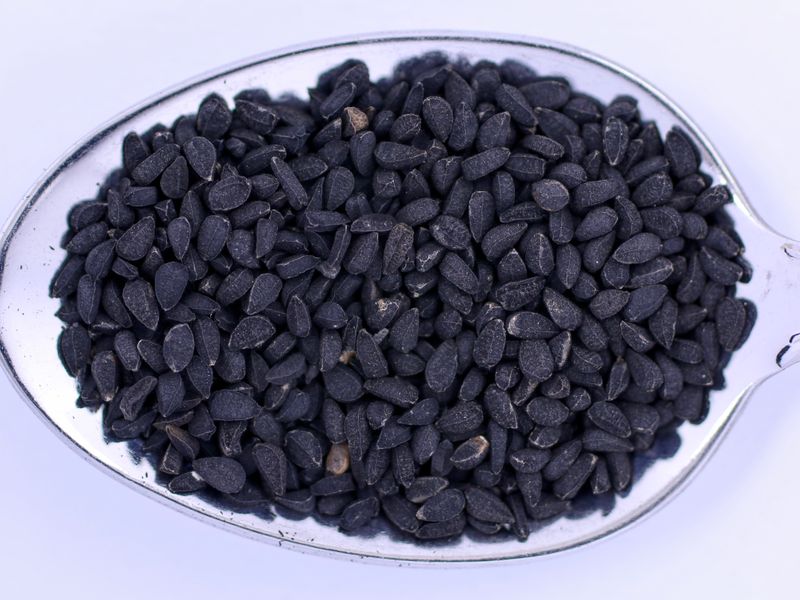
Tiny black seeds.
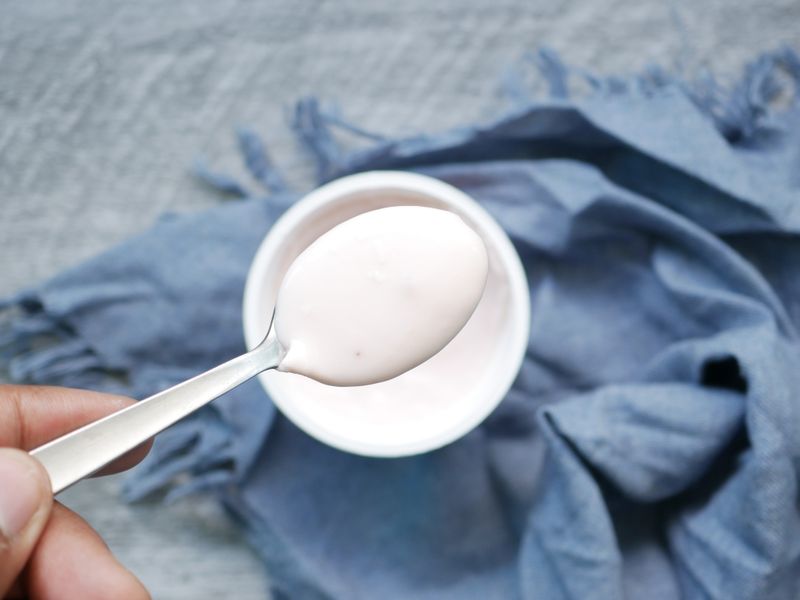
Plain whole-milk yogurt.
Bone-in thighs and drumsticks, skinless.
Grow it yourself: Tomatoes, Green chilies, Cilantro (dhania), Methi (fenugreek), Garlic, Ginger
Restaurant cooks do these things by habit. Here’s what each step is actually doing to the food, so you can cook by understanding instead of guesswork.
Fry the whole spices in hot oil until they crackle, about 30 seconds.
Many spice aroma compounds dissolve in fat. A short, hot fry releases them into the oil, which then carries them through the whole curry. Fenugreek burns fast and turns acrid, so the spices only get seconds.
Wait for the mustard seeds to pop before adding onions.
Heat turns the water inside the seed to steam until the seed bursts; popping is the sign the oil is hot enough to bloom everything else.
Whisk the yogurt and stir it in over low heat.
Yogurt proteins clump into grains when they hit a rolling boil with acid. Whisking it smooth and adding it gently keeps the gravy silky.
Add the lemon juice after cooking.
Lemon added at the end keeps its fresh, sharp taste, the 'pickle' brightness, instead of cooking flat.
Score, blanch for 30–60 seconds, chill in ice water, and the skins slip right off. Peeled tomatoes cook into a smoother, silkier masala with no chewy flecks of skin.
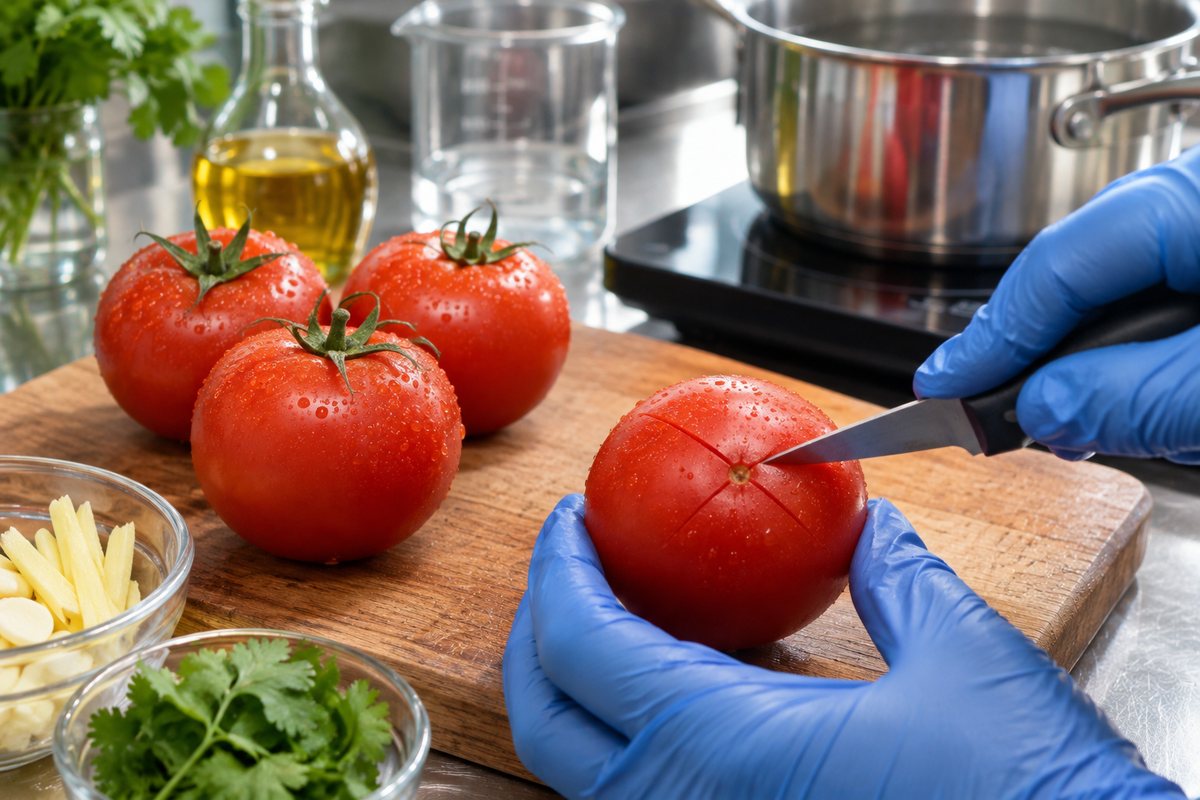
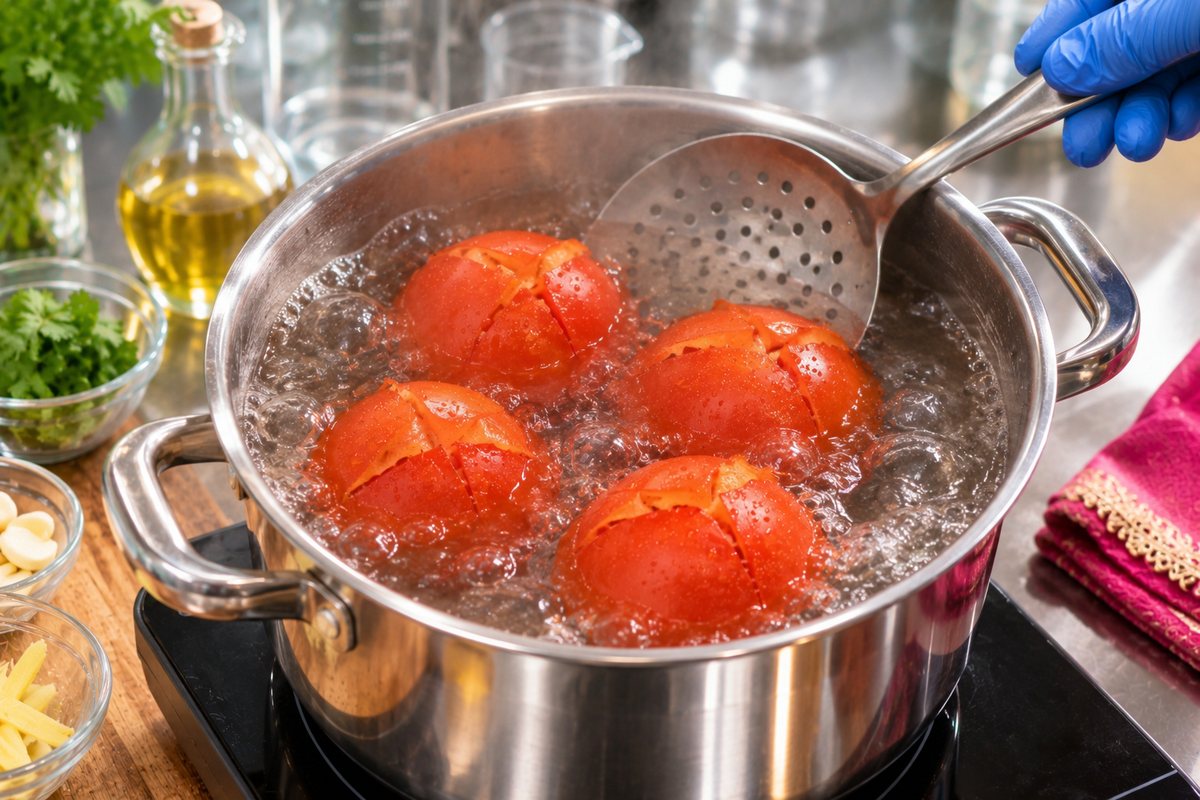
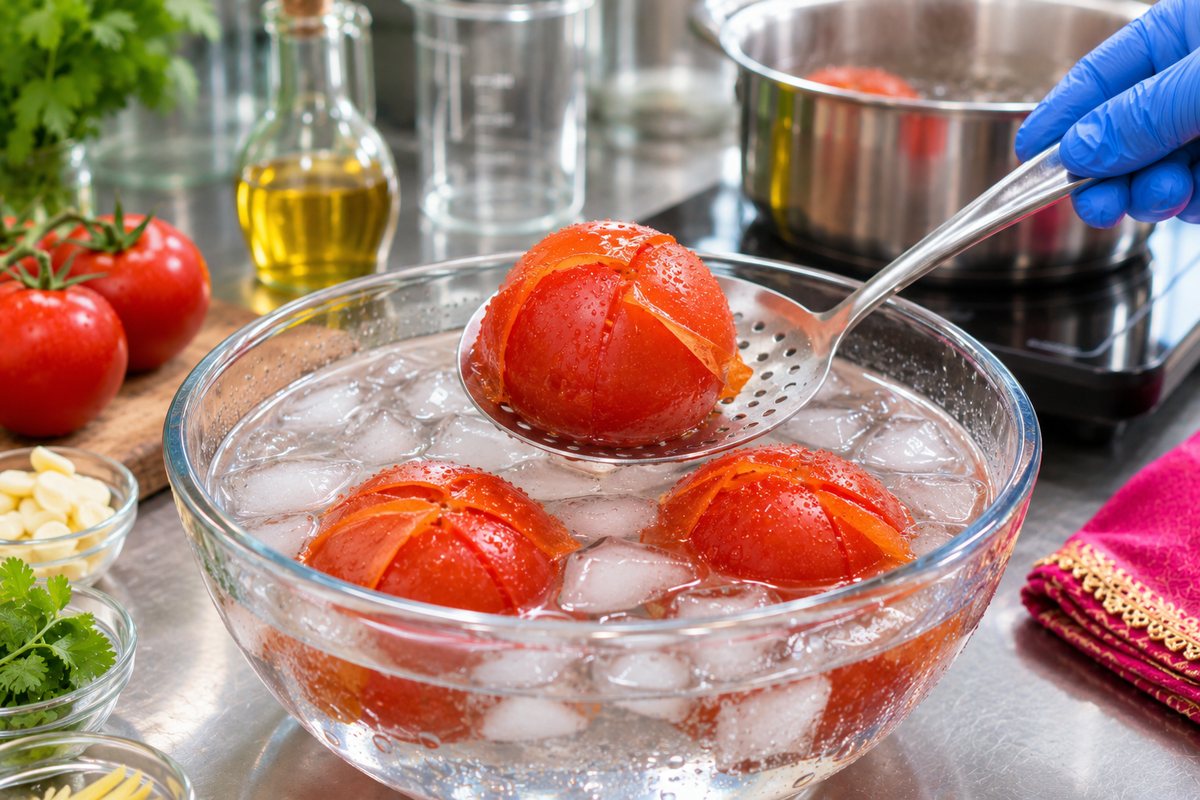
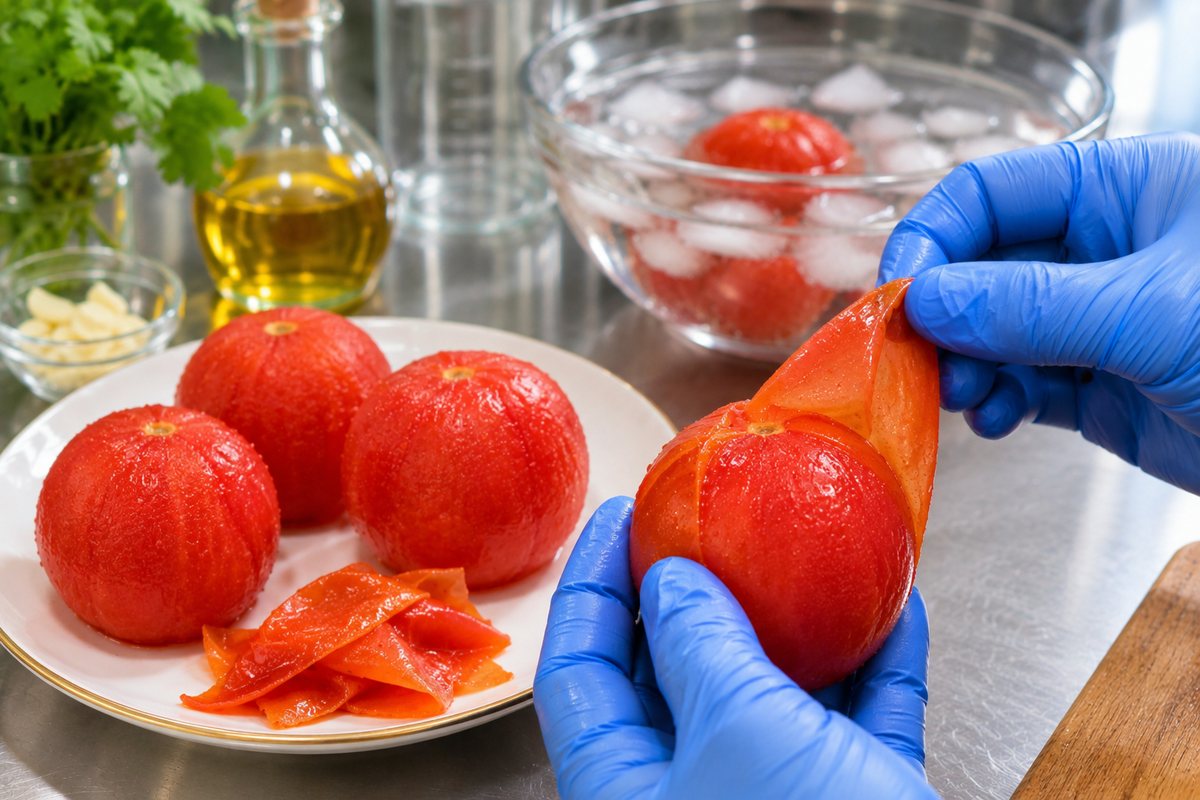
Tomato skin is a tough, waxy layer that doesn’t break down with cooking; in a long-cooked masala it curls into chewy flecks. The skin is also where almost all of a tomato’s flavonoids sit, mainly naringenin chalcone and rutin, the kind of plant compounds that can taste faintly bitter or astringent. Texture is the bigger, better-proven reason, but peeled tomatoes give the smoothest, cleanest-tasting gravy.
A short plunge heats only the outer layer. The heat weakens the pectin that glues the skin to the flesh, and steam forming underneath pushes the skin away, so it splits and curls back at the X while the flesh inside stays raw and firm.
Ice water stops the cooking at once, so the flesh doesn’t turn soft and mushy, and makes the tomatoes cool enough to peel right away. More than about a minute in the boiling water starts to cook the flesh.
Sources: National Center for Home Food Preservation: Put It Up! Boiling Water Canning · Muir et al., Nature Biotechnology (2001): flavonoids in tomato peel
Exact amounts and timings are in the recipe card below.
Pickle-style: the dish uses the same whole spices as Indian pickles.
It’s tangy, not sour like pickle itself; add more lemon if you want it sharper.
Desi restaurant favorites, recreated at home and explained with food science: every recipe is tested in a home kitchen and comes with the why behind each step.
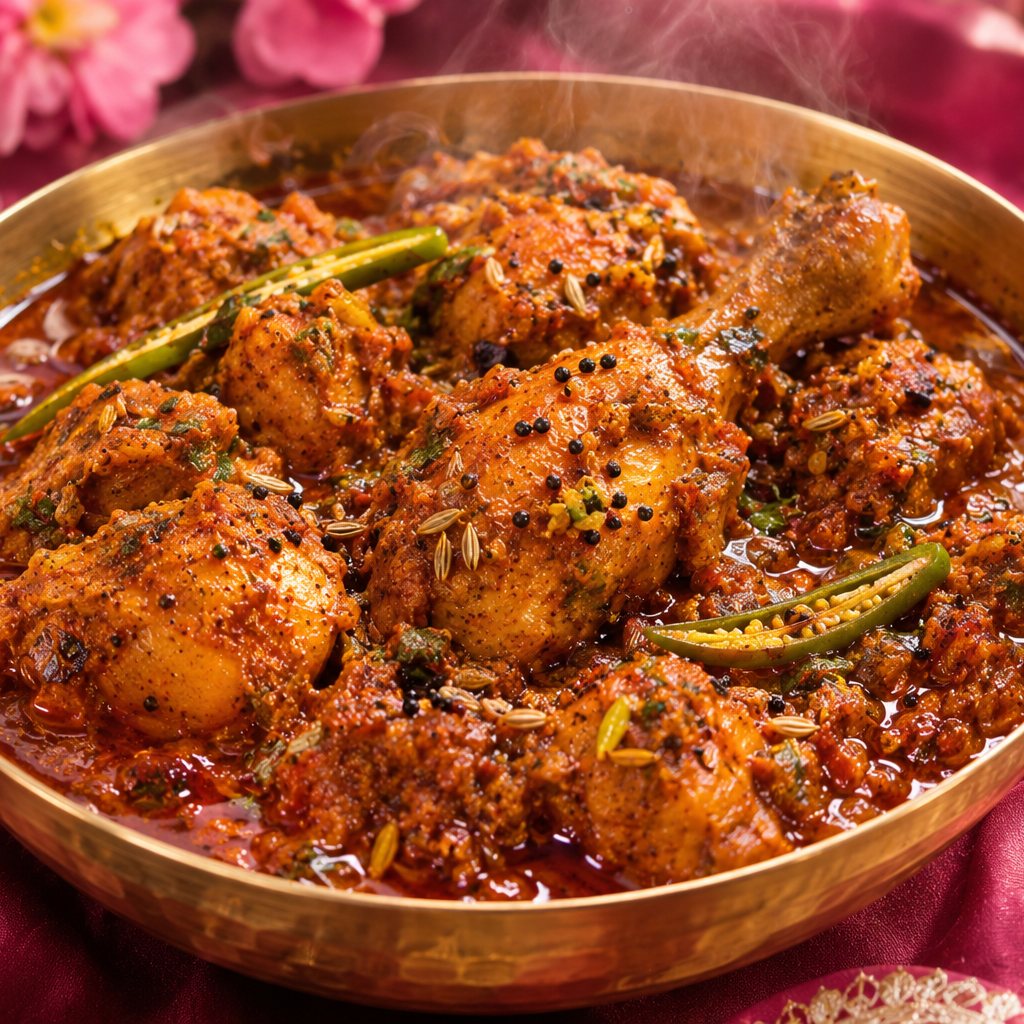
Achaari chicken in the Instant Pot: chicken cooked with the whole pickling spices of mango achaar (fennel, mustard, fenugreek, nigella, cumin) in mustard oil, yogurt and tomato, for a tangy, punchy curry. With the food science of tempering whole spices.
Use a heavy kadai or Dutch oven.