Grow your own

Grow Your Own: A Food-Resilience Kitchen Garden for Desi Cooking

If prices spike or shelves run short, a few pots and a sunny corner can keep fresh food on the table. Start with what feeds you (potatoes, dry beans and sprouts), add vitamin-rich vegetables, and keep the herbs and aromatics that make Desi food taste like home. Each crop links to the recipes it goes into.

Calories and protein

The crops that actually feed you in a shortage.

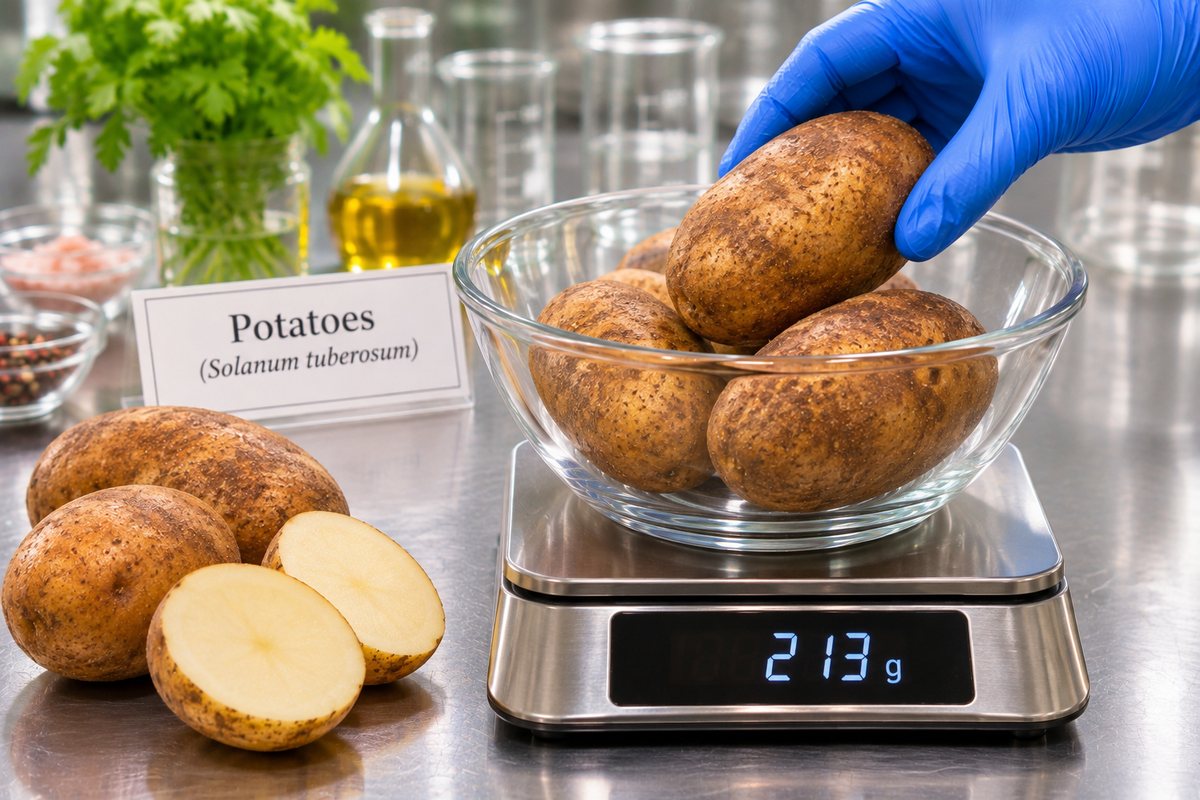
A medium russet potato (aloo) weighed on a digital scale reading 213 g

Potatoes

आलू · آلو

One of the most calories per square foot of any home crop, and they store for months.

How
Plant certified seed potatoes (grocery potatoes can carry disease or sprout inhibitors) 4 inches deep in the ground or in a 10–15 gallon grow bag. Pile soil or straw around the stems as they grow so new potatoes stay covered.
Where
Full sun; a grow bag works on a balcony.
Harvest
About 70–120 days, depending on variety.

The science: Potatoes turn green when exposed to light. The green is harmless chlorophyll, but it signals that solanine, a bitter natural toxin, is building up too; that’s why tubers stay buried, and why you cut away green patches before cooking.

Cook it in:
Source: University of Minnesota Extension: Growing potatoes

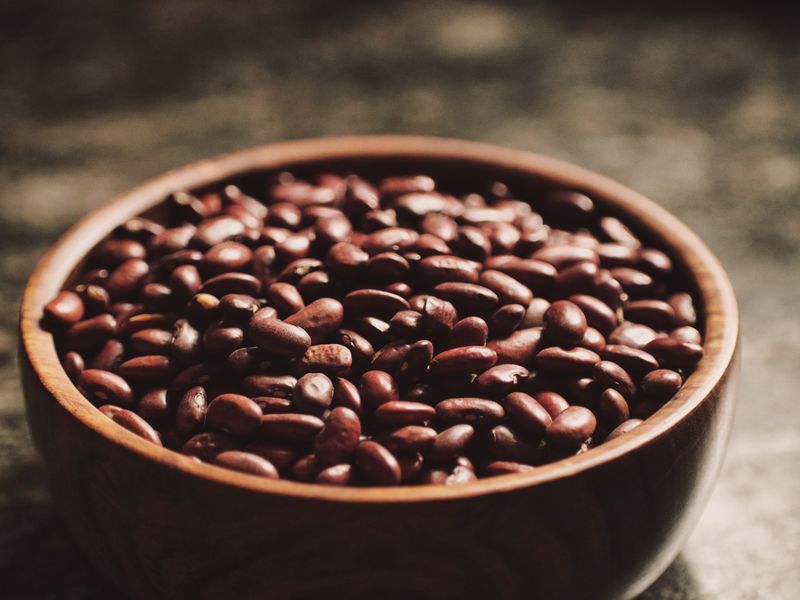
A wooden bowl of red kidney beans

Dry beans (rajma)

राजमा · راجما

Dry beans are about 22% protein, store for a year or more, and improve the soil they grow in.

How
Sow bush-type dry beans (red kidney, pinto, black) 1 inch deep after the last frost, once the soil is warm. Leave the pods on the plant until they’re dry and rattle, then shell and store the beans airtight.
Where
Full sun; about 4 inches between plants.
Harvest
Around 90–100 days to dry pods.

The science: Beans are legumes: bacteria in nodules on their roots pull nitrogen from the air and turn it into plant food, which is why beans need little fertilizer. Always soak and boil dried kidney beans hard; raw ones contain a lectin that cooking destroys.

Cook it in:

Source: WSU Extension: Growing dry beans in home gardens (FS135E) · University of Minnesota Extension: Growing beans in home gardens

Moong sprouts

अंकुरित मूंग · انکرت مونگ

The fastest protein you can grow: a jar on the counter turns dry moong into fresh sprouts in 2–4 days.

How
Soak whole moong overnight, drain, and keep it in a clean jar or sprouter out of direct sun, rinsing with drinking water 2–3 times a day until tails appear.
Where
A jar on the counter.
Harvest
2–4 days.

The science: Sprouting wakes the seed’s enzymes, which start breaking down starch and storage proteins. But the warm, wet conditions that grow sprouts also suit bacteria, so cook sprouts until steaming hot (165°F). Children, older adults, pregnant women and anyone with a weakened immune system shouldn’t eat raw sprouts.

Cook it in:

Source: UC ANR: Growing seed sprouts at home · Clemson HGIC: The food safety of sprouts

Vegetables and vitamins

Fresh produce for vitamin C, fiber and color.

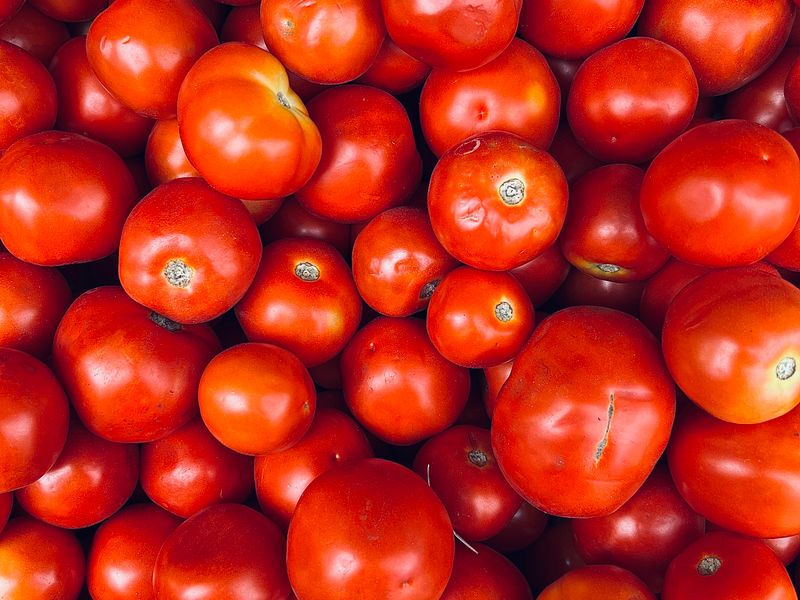
A pile of ripe red tomatoes

Tomatoes

टमाटर · ٹماٹر

The base of almost every curry here, and one of the most productive container plants.

How
Plant transplants deep after the last frost in a 5-gallon or larger container, with a cage or stake. Compact “patio” or determinate varieties suit pots.
Where
At least 6–8 hours of direct sun.
Harvest
About 60–85 days from transplanting.

The science: Tomatoes ripen in response to ethylene, a gas the fruit makes itself. Pick them at first blush of color and they’ll finish ripening on the counter, safe from birds and splitting.

Cook it in:

Source: University of Minnesota Extension: Growing tomatoes

Green chilies

हरी मिर्च · ہری مرچ

One plant gives dozens of chilies all season, and they freeze well.

How
Start from transplants after the soil warms, in a 3–5 gallon pot. Serrano, Thai and Indian green chili varieties all work.
Where
Full sun and warmth.
Harvest
About 60–90 days from transplanting.

The science: Chili heat comes from capsaicin, made in the pale ribs inside the pod. Variety matters most for heat; leave chilies on the plant longer and they turn red and sweeter.

Cook it in:

Source: University of Maryland Extension: Vegetable growing guides

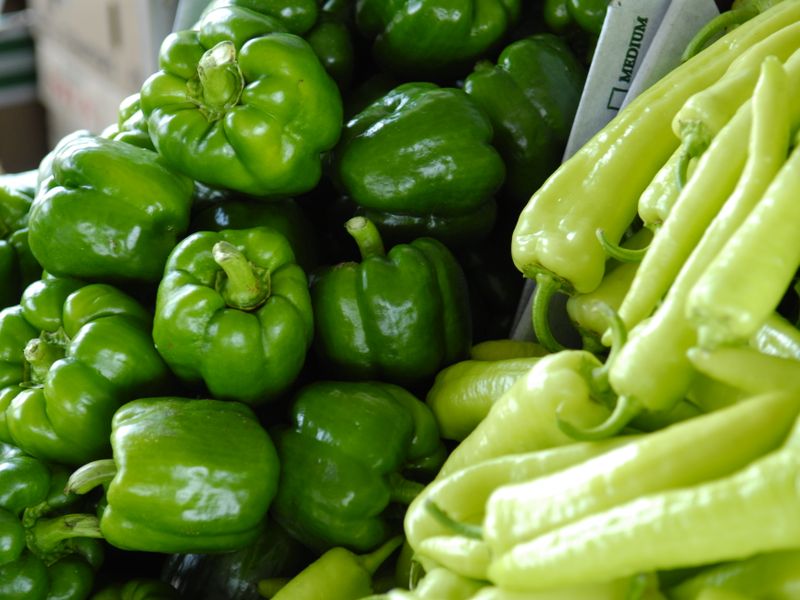
Green bell peppers (capsicum) next to long green chilies

Bell peppers (capsicum)

शिमला मिर्च · شملہ مرچ

Rich in vitamin C and easy in containers.

How
Grow like chilies: transplants in warm soil, in a 5-gallon pot with steady watering.
Where
Full sun.
Harvest
About 60–90 days from transplanting.

The science: Green and red bell peppers are the same fruit at different ripeness. Red ones have had longer to ripen and are sweeter, with more vitamin C and carotenoids.

Cook it in:

Source: University of Maryland Extension: Vegetable growing guides

Cauliflower and cabbage

फूलगोभी, पत्ता गोभी · پھول گوبھی، بند گوبھی

Cool-season vegetables for spring and fall, when little else grows.

How
Plant transplants in early spring or late summer for a fall harvest. Keep them evenly watered.
Where
Full sun; a 5-gallon container per plant.
Harvest
About 60–90 days from transplanting.

The science: Both are cool-season brassicas. Heat stress makes cauliflower heads loose and grainy, which is why they’re grown in spring and fall.

Cook it in:

Source: University of Maryland Extension: Vegetable growing guides

Herbs, aromatics and spice

Small pots, big flavor, and the things Desi cooking can’t do without.

Cilantro (dhania)

हरा धनिया · ہرا دھنیا

Fresh leaves for every curry, and the seeds are coriander.

How
Sow seeds directly in a pot every 2–3 weeks for a steady supply. It prefers cool weather and will flower (bolt) in summer heat.
Where
Sun to part shade; a 6–8 inch pot.
Harvest
Leaves in about 3–4 weeks.

The science: Cilantro and coriander seed are the same plant. When days get long and hot, it bolts: it sends up flowers and the leaves turn sparse and bitter. Let some flower and you’ll harvest your own dhania seeds.

Cook it in:

Source: University of Maryland Extension: Vegetable growing guides

Mint (pudina)

पुदीना · پودینہ

Grows almost anywhere, for chutneys, raita and chai.

How
Root a few store-bought stems in water, then pot them up. Always grow mint in its own pot, since it spreads by underground runners.
Where
Sun or part shade.
Harvest
Cuttings root in about 1–2 weeks.

The science: Mint spreads by runners, underground stems that sprout new plants, which is why one plant can take over a bed.

Cook it in:

Source: University of Maryland Extension: Vegetable growing guides

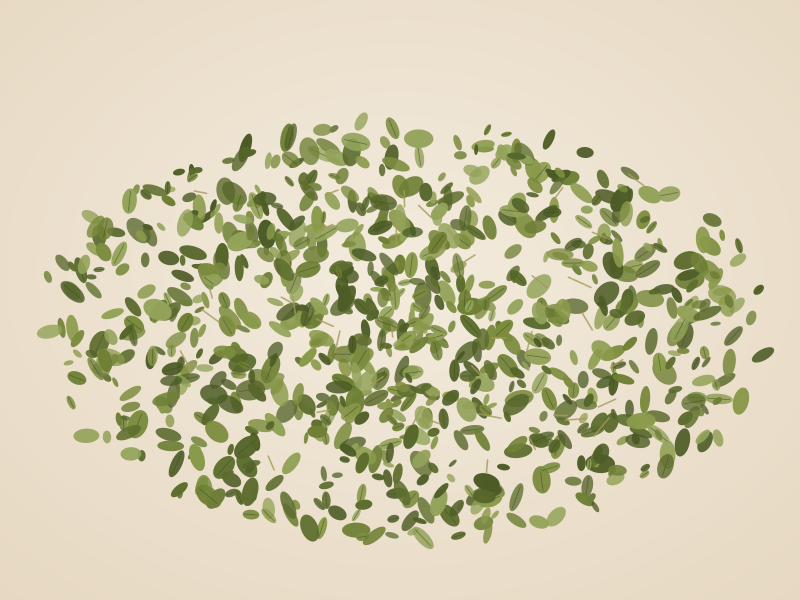
Illustration of crumbled dried fenugreek leaves (kasuri methi)

Methi (fenugreek)

मेथी · میتھی

Sow the methi seeds already in your spice rack; dry the leaves for homemade kasuri methi.

How
Scatter methi seeds thickly in a shallow pot, cover lightly and keep moist. Cut the greens when 4–6 inches tall; dry them in the shade for kasuri methi.
Where
Sun; a shallow pot or tray.
Harvest
Greens in about 3–4 weeks; microgreens in 1–2.

The science: Drying concentrates the aroma compounds that give kasuri methi its maple-like, savory smell.

Cook it in:

Source: WVU Extension: Grow this! Microgreens

Spring onions

हरा प्याज़ · ہرا پیاز

Regrow from the roots you’d normally throw away.

How
Stand the white root ends in a little water or plant them in soil. New green tops grow back within days; snip and repeat.
Where
A sunny windowsill.
Harvest
New greens in about 1–2 weeks.

The science: The white base holds the plant’s growing point and stored energy, so it can push out new leaves without seeds.

Cook it in:

Source: University of Maryland Extension: Vegetable growing guides

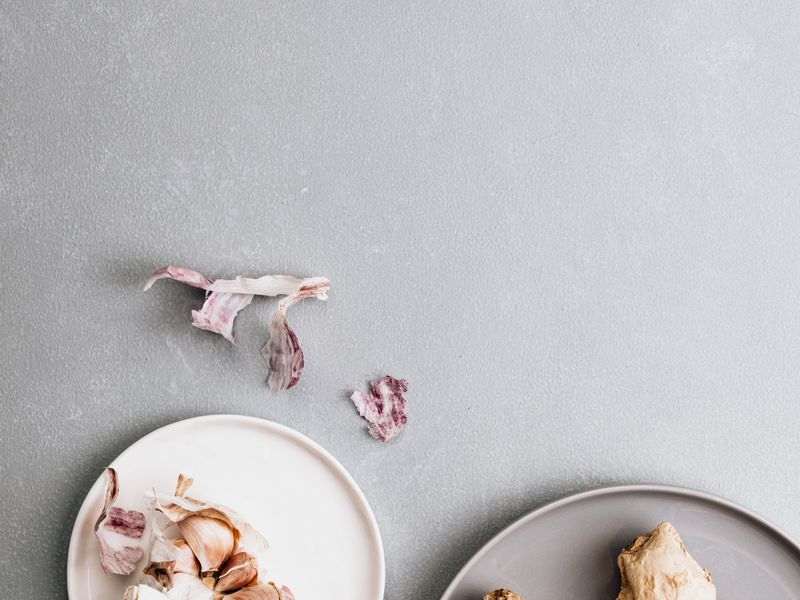
Fresh ginger root and garlic cloves on small plates

Garlic

लहसुन · لہسن

Plant cloves in fall and harvest full bulbs the next summer; cure them and they keep for months.

How
Plant individual cloves, pointy end up, 2 inches deep in fall. Harvest when the lower leaves turn brown, then cure in a dry, airy spot for 2–3 weeks.
Where
Full sun.
Harvest
About 8–9 months (fall to early summer).

The science: Garlic needs a cold period to divide into a bulb of cloves; spring-planted cloves often make a single round bulb instead.

Cook it in:

Source: University of Maryland Extension: Vegetable growing guides

Fresh ginger root and garlic cloves on small plates

Ginger

अदरक · ادرک

A pot of ginger gives fresh rhizomes for adrak achaar, chai and every ginger-garlic paste.

How
Choose a plump rhizome with visible buds (organic is best, since conventional ginger may be treated to stop sprouting). Plant it shallowly in a wide pot and keep it warm and moist.
Where
Bright, indirect light and warmth; bring it indoors below about 50°F.
Harvest
About 8–10 months for a full harvest.

The science: Ginger is a tropical rhizome, an underground stem. It grows best in warm soil, which is why it’s a container plant in most of the US.

Cook it in:

Source: University of Illinois Extension: How to grow tropical ginger

Curry leaf tree

करी पत्ता · کری پتہ

Fresh curry leaves are expensive and hard to find; one potted tree supplies years of them.

How
Buy a young plant from a nursery or Indian grocer. Grow it in a pot in full sun and bring it indoors before frost.
Where
Full sun; a large pot.
Harvest
Harvest lightly within the first year.

The science: Curry leaves’ aroma is fat-soluble and fades quickly once dried, which is why fresh leaves fried in oil taste so much stronger than dried ones.

Cook it in:

Source: University of Maryland Extension: Vegetable growing guides

A home garden supplements groceries rather than replacing them. Planting dates depend on your area; check your local extension office for your frost dates.