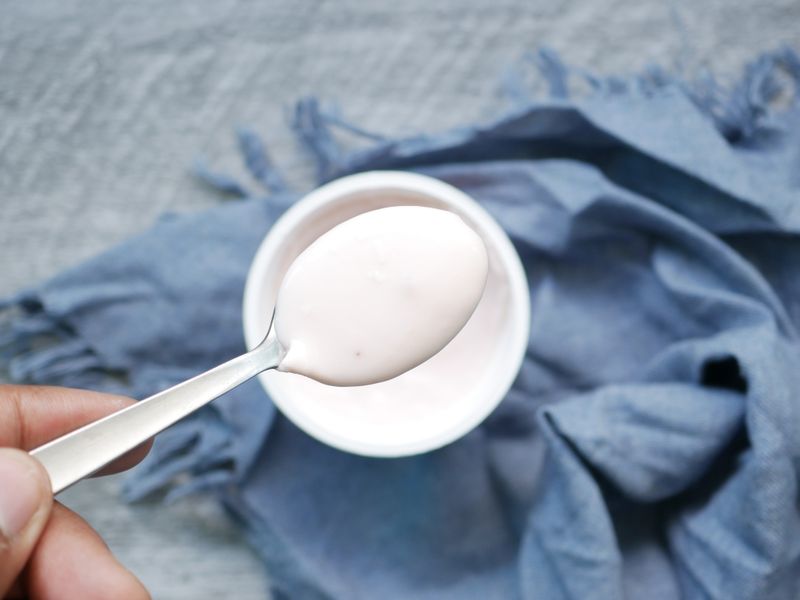
Plain yogurt
दहीدہی
dahī
Whole-milk plain yogurt, soured.
Its job: The tangy base.
Also called Kadhi Chawal · Kadi Pakoda · कढ़ी पकोड़ा · کڑھی پکوڑا
Sour yogurt and besan simmered slowly into a tangy, silky curry, with soft onion pakoras and a sizzling cumin, fenugreek and red chili tadka. Kadhi chawal at its best.
Punjabi kadhi pakora is a tangy curry of sour yogurt and besan, slow-simmered until silky and loaded with soft onion pakoras, finished with a cumin, fenugreek and red chili tadka. It’s made the same way in Pakistani Punjab.
 From the MedRise Food Science kitchenPublished

Kadhi is a yogurt and besan curry, simmered until silky and finished with a tempering of spices. The Punjabi version is thick and tangy, made with properly sour yogurt and loaded with soft onion pakoras, and served over rice as kadhi chawal.
The sourness is the point. Traditionally, home cooks leave the yogurt out for a day or two until it turns distinctly tangy. Read the food-safety note before you do; there’s also a fridge method that gets you most of the way.
The main ingredients, with their English, Hindi and Urdu names.
Whole-milk plain yogurt, soured.
Chickpea flour.
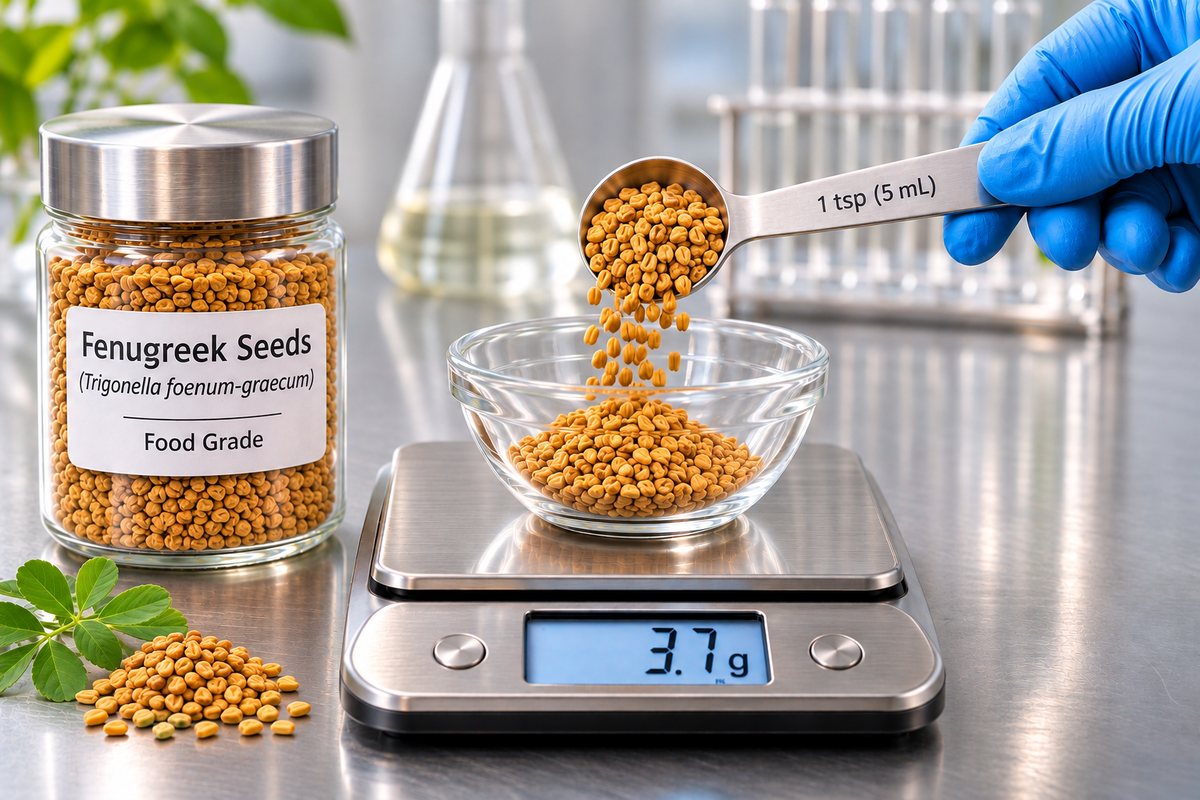
Small, hard, bitter seeds.
Thyme-scented seeds.
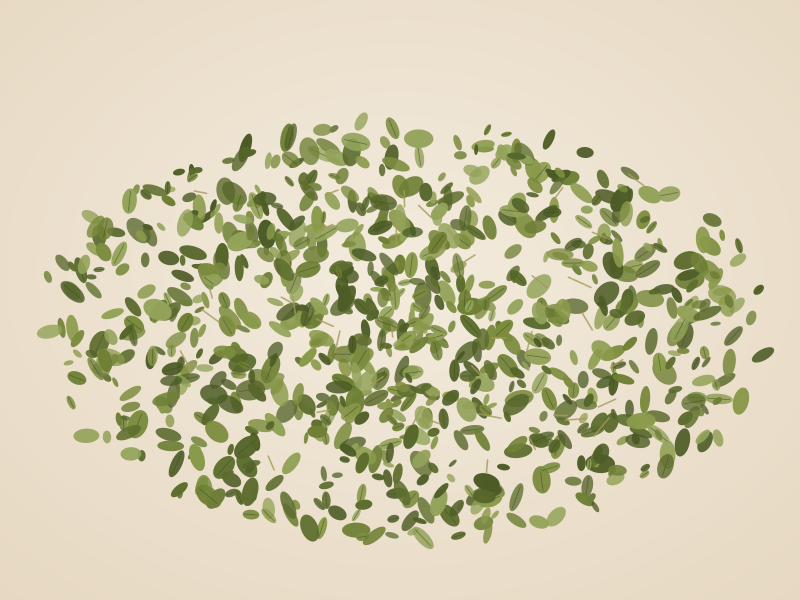
Dried fenugreek leaves.
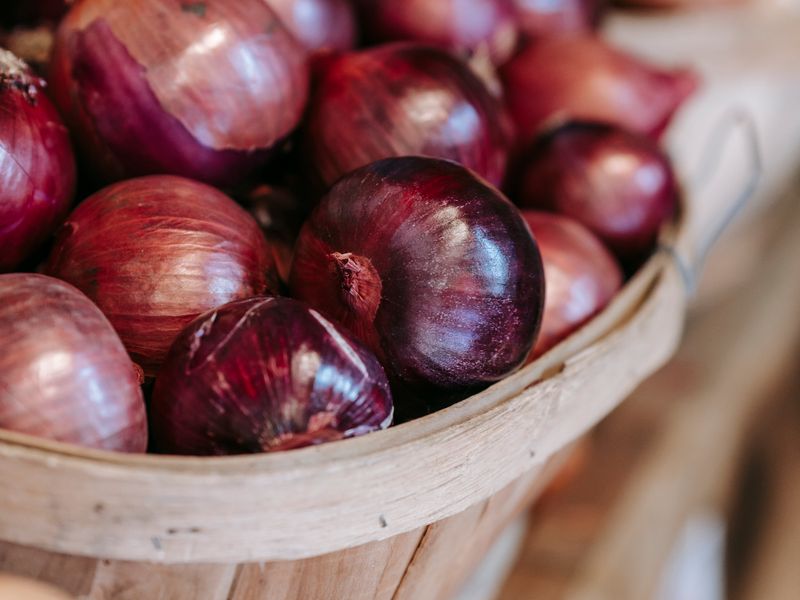
Thinly sliced.
Grow it yourself: Green chilies, Cilantro (dhania), Methi (fenugreek), Ginger
Restaurant cooks do these things by habit. Here’s what each step is actually doing to the food, so you can cook by understanding instead of guesswork.
Let the yogurt sour until clearly tangy.
Yogurt’s live cultures keep turning lactose into lactic acid, and they work far faster at room temperature than in the fridge, so the yogurt gets more sour each day. That acidity is also why traditional souring usually goes fine: most harmful bacteria grow poorly in acidic food. But it isn’t a guarantee, which is why USDA advises against leaving perishable food out for more than 2 hours.
Whisk the besan into the cold yogurt until completely smooth, before any heat.
Besan’s starch has to be evenly dispersed before it heats up; dropped into hot liquid, it swells into lumps on the outside and stays raw inside. Once dispersed, the starch thickens the kadhi and surrounds the yogurt’s proteins, which helps keep them from clumping into curds.
Stir constantly until the kadhi comes to a boil.
Yogurt proteins curdle when heat and acid make them clump together, and they clump fastest if they settle and overheat on the bottom of the pot. Constant stirring keeps everything moving while the besan starch thickens; once it has boiled and thickened, the kadhi is stable.
Simmer for 30–45 minutes.
Raw besan tastes beany and slightly bitter. A long simmer fully cooks the flour, mellows that flavor and reduces the kadhi to a silky, pourable thickness.
Fry the fenugreek seeds only until they turn a shade darker.
Fenugreek seeds are naturally bitter, and toasting brings out a nutty, maple-like aroma. Push them too far and they turn harsh and acrid, so they get only about 30 seconds in the ghee.
Exact amounts and timings are in the recipe card below.
A comforting yogurt curry; the pakoras are the indulgent part.
3.2 g protein per 100 calories. Estimated from the ingredients with USDA FoodData Central values. Rice not included: add about 205 calories and 4 g protein per cup of cooked basmati rice.
Gym-friendly tip: Serve with ¾ cup plain Greek yogurt as raita (about +16 g protein) or stir 100 g cubed paneer into the finished dal (about +18 g).
Yogurt brings calcium and protein, and besan (chickpea flour) adds more protein and fiber than wheat flour would.
The long boil kills yogurt’s live cultures, so any probiotic benefit is lost; the protein and calcium remain.
General nutrition information, not medical advice. Numbers marked “estimated” are calculated from the recipe’s ingredients and vary with brands and portions. If you have diabetes, heart or kidney disease, a food allergy, or are pregnant, ask your doctor or a registered dietitian how this dish fits your diet.
Fits these health goals: Bone health and osteoporosis (general guidance, not medical advice)
Health sources: NIH Office of Dietary Supplements: Calcium · Dietary Guidelines for Americans
See the full ingredient health guide: benefits, traditional roots and the science →
The besan wasn’t whisked in smoothly, or the kadhi wasn’t stirred constantly until it boiled. Once it has boiled and thickened, it’s stable.
Clearly tangy, like buttermilk. Taste near the end and add a squeeze of lemon if it’s flat.
No. The long boil kills yogurt’s live cultures.
Yes. Plain kadhi with rice is just as traditional.
Desi restaurant favorites, recreated at home and explained with food science: every recipe is tested in a home kitchen and comes with the why behind each step.

Punjabi kadhi pakora the traditional way: yogurt soured for a day or two, whisked with besan, simmered until silky, with soft onion pakoras and a cumin-fenugreek tadka. Plus the science of why it doesn’t split, and a clear food-safety note on souring yogurt.
Use Sauté for the kadhi; the pakoras are still fried separately.
Don’t pressure cook the kadhi from cold: the thick mixture can scorch on the bottom and trigger the Burn warning.
How much to make, based on 4 people eating it once a day. One batch of this recipe makes 6 servings.
Why only a few days in the fridge? Refrigeration slows bacteria but doesn’t stop them; some, like Listeria, can still grow at fridge temperatures, which is why food-safety agencies set cooked leftovers at 3–4 days. Freezing at 0°F stops growth completely, so frozen portions stay safe indefinitely; the freezer times above are for best taste and texture.
Food-safety guidance: USDA, Leftovers and Food Safety · FoodSafety.gov storage chart