Cauliflower
फूलगोभीپھول گوبھی
phūl gobhī
A firm, white head, cut into medium florets.
Its job: The star: browns and turns sweet.
Also called Aloo Gobhi · Potato Cauliflower Sabzi · आलू गोभी · آلو گوبھی
Potatoes and cauliflower cooked in the classic Indian base until tender and golden at the edges, finished with garam masala, ginger and cilantro. The science explains how to brown the cauliflower instead of steaming it to mush.
Aloo gobi is the Punjabi dry curry of potatoes and cauliflower, cooked in the classic Indian base until golden at the edges. It’s naturally vegan when cooked in oil.
 From the MedRise Food Science kitchenPublished
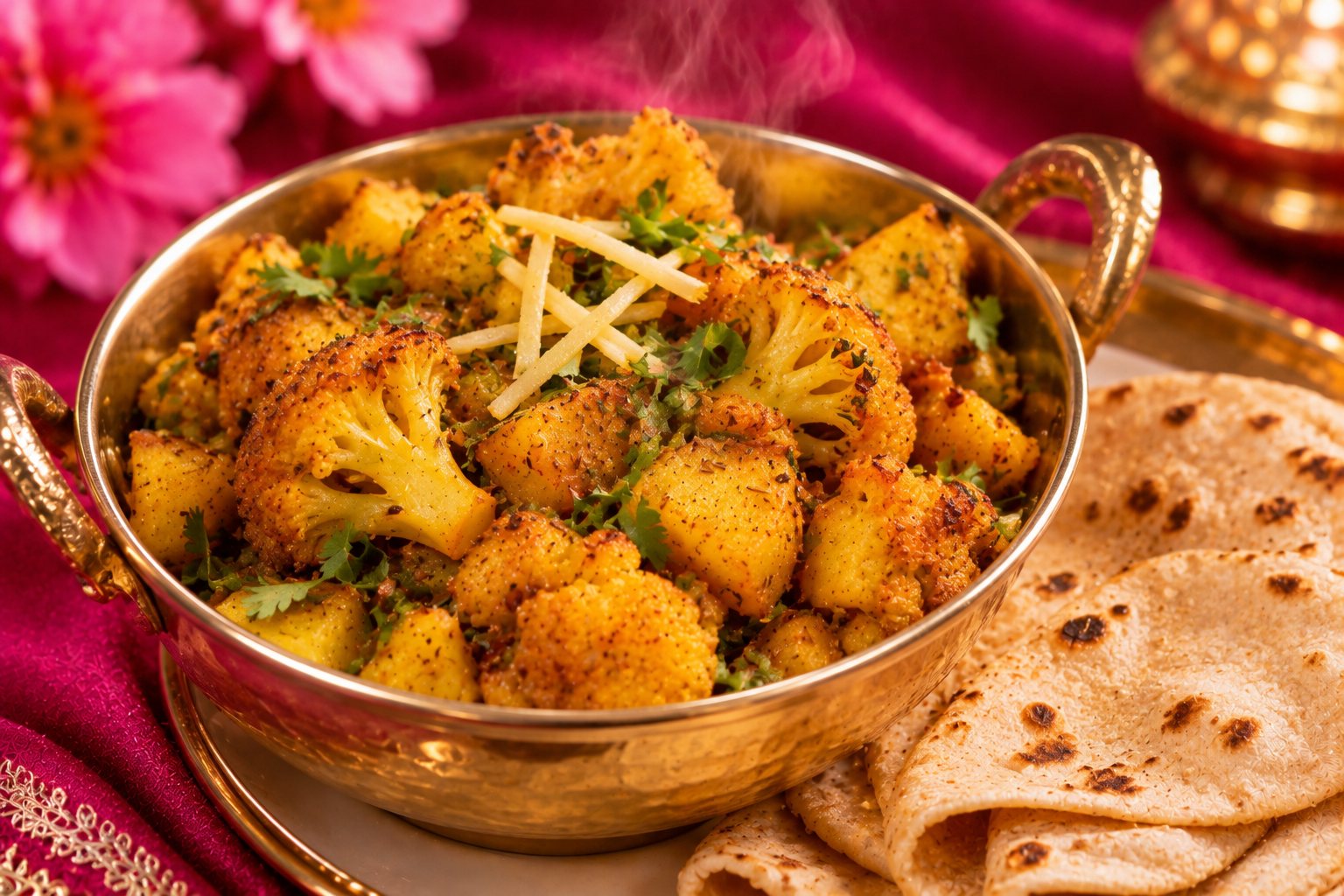
Aloo gobi is potatoes (aloo) and cauliflower (gobi) cooked with spices, one of the most common everyday sabzis in Punjabi homes on both sides of the border. This is the dry style, where the vegetables are coated in masala rather than sitting in gravy.
It starts with the same Indian base as most curries, and goes with roti, paratha, or chana dal and rice.
The main ingredients, with their English, Hindi and Urdu names.
A firm, white head, cut into medium florets.
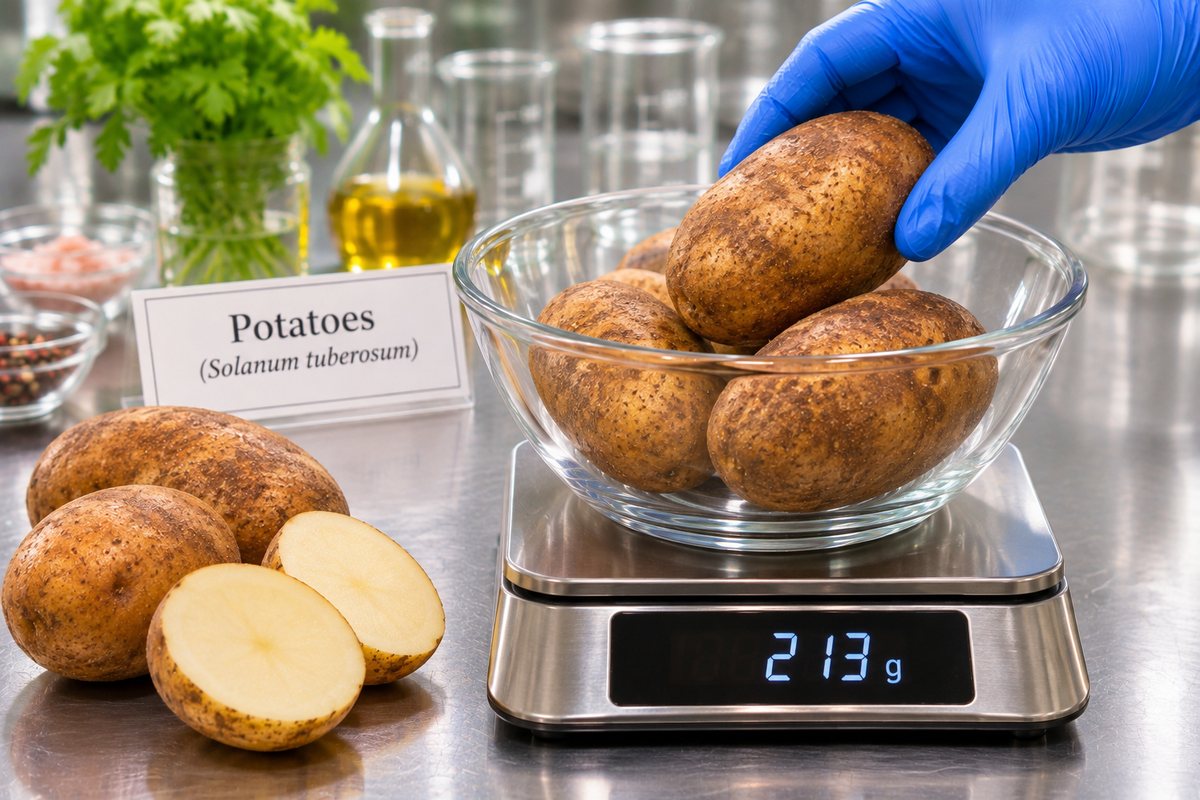
Yukon Gold or red potatoes hold their shape best.
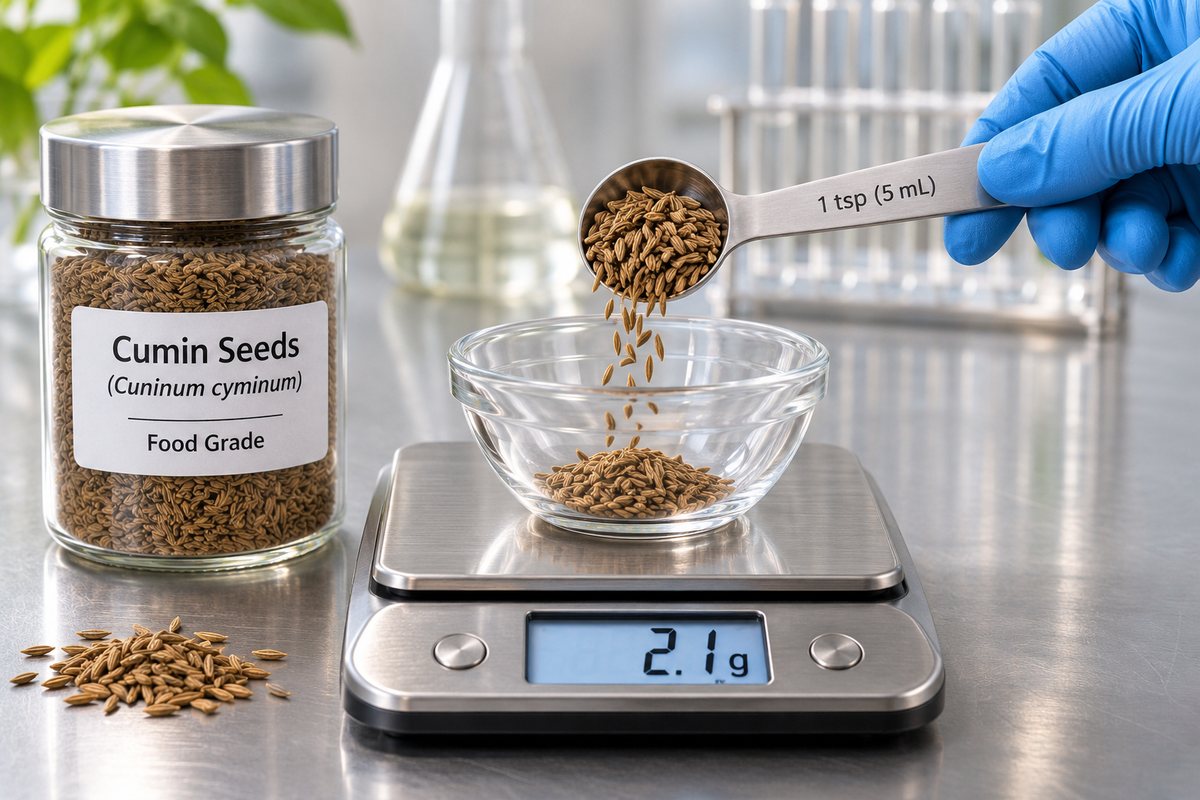
Whole seeds.
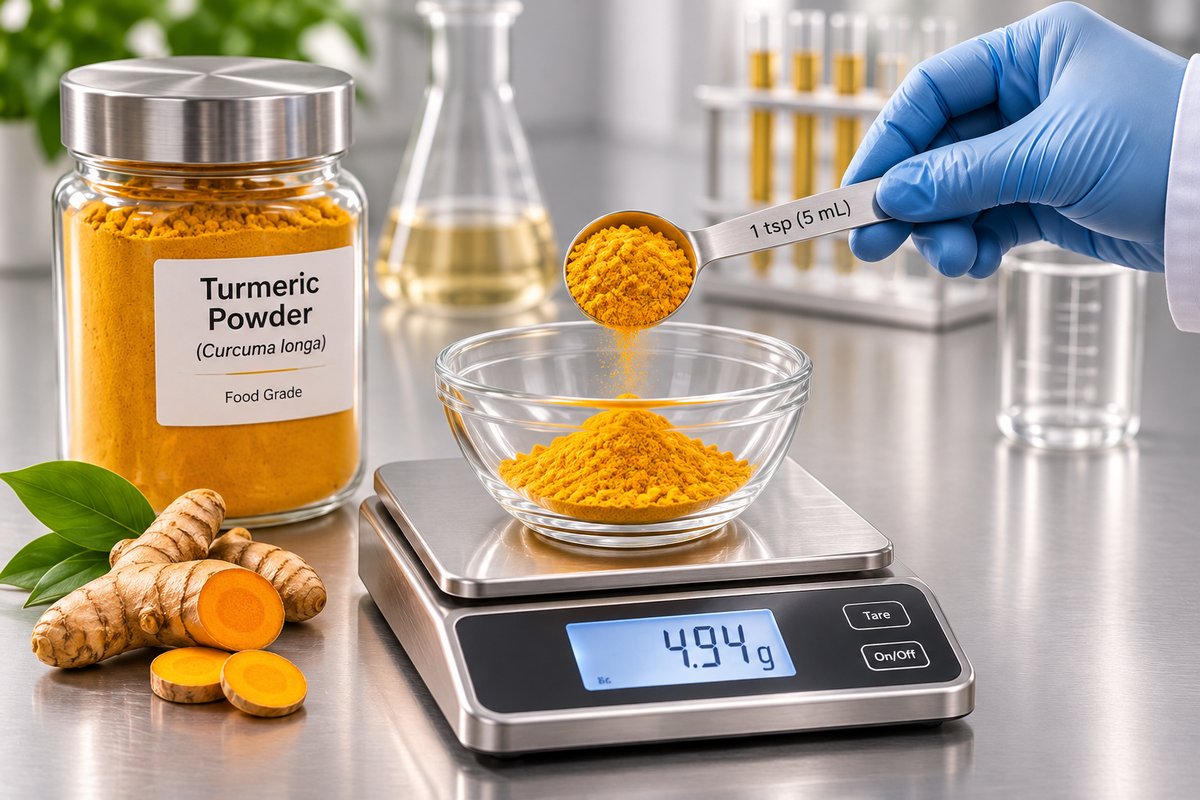
Ground turmeric.
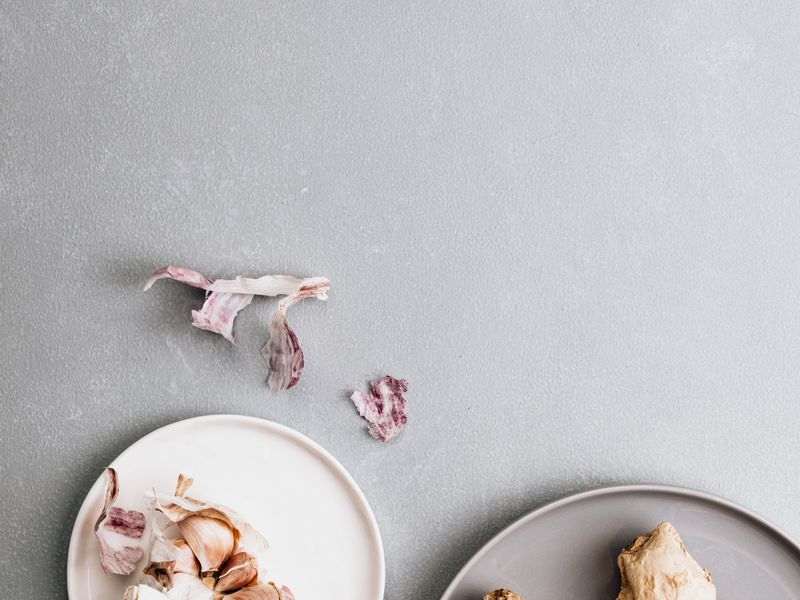
Fresh paste or store-bought.
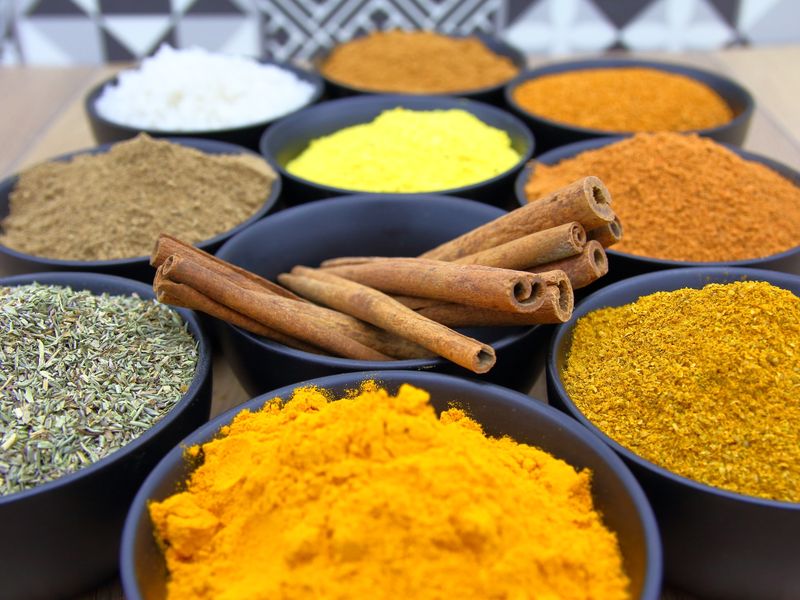
Added at the end.
Grow it yourself: Potatoes, Tomatoes, Green chilies, Cauliflower and cabbage, Cilantro (dhania), Garlic, Ginger
Restaurant cooks do these things by habit. Here’s what each step is actually doing to the food, so you can cook by understanding instead of guesswork.
Pat the florets dry after washing.
Surface water has to boil off before anything can brown, and while it does, the florets steam. Dry florets start browning sooner.
Let the vegetables sit undisturbed for a few minutes, then cover to cook through, then uncover to dry out.
Browning (the Maillard reaction and caramelization) needs a dry surface well above 212°F. A lid traps steam, which cooks the dense potato through quickly but stops browning, so it goes on only after some color has formed and comes off at the end to drive off moisture.
Cut the potatoes into ¾-inch cubes and the cauliflower into slightly larger florets.
Potato is denser and slower to soften than cauliflower. Cutting it smaller lets both finish at the same time, so the cauliflower isn’t mush by the time the potatoes are done.
Turn the vegetables with a flat spatula instead of stirring hard.
As heat breaks down the pectin in cauliflower’s cell walls, the florets turn fragile. Gentle folding keeps them whole.
Fold in the garam masala and fresh ginger at the end.
Garam masala’s aroma compounds are volatile and fade with long cooking; added at the end, they stay bright.
Score, blanch for 30–60 seconds, chill in ice water, and the skins slip right off. Peeled tomatoes cook into a smoother, silkier masala with no chewy flecks of skin.
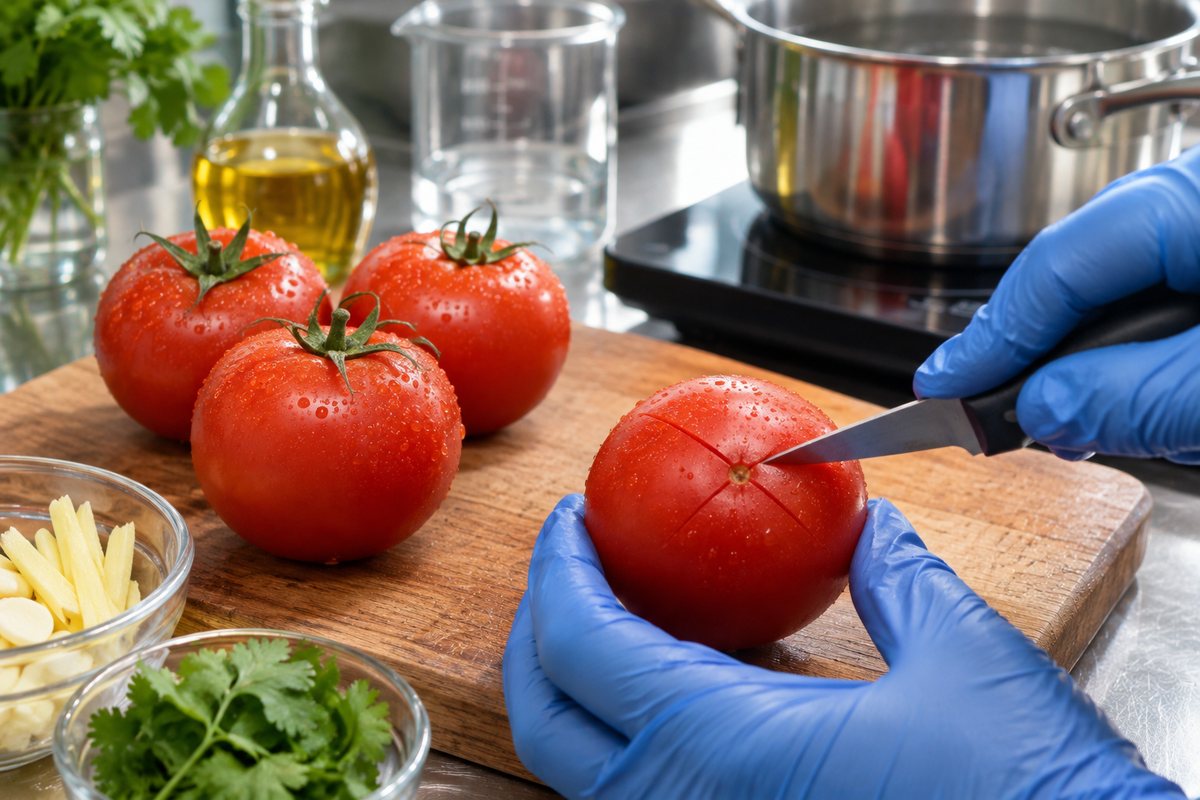
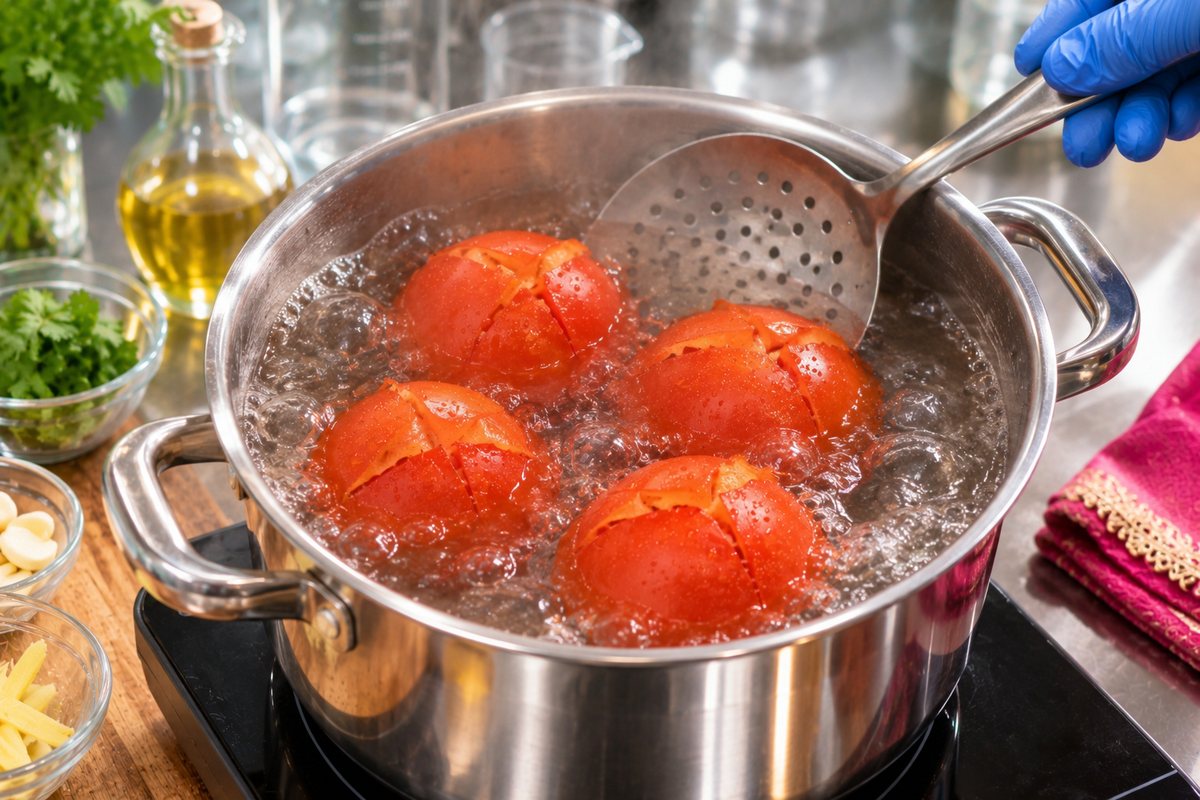
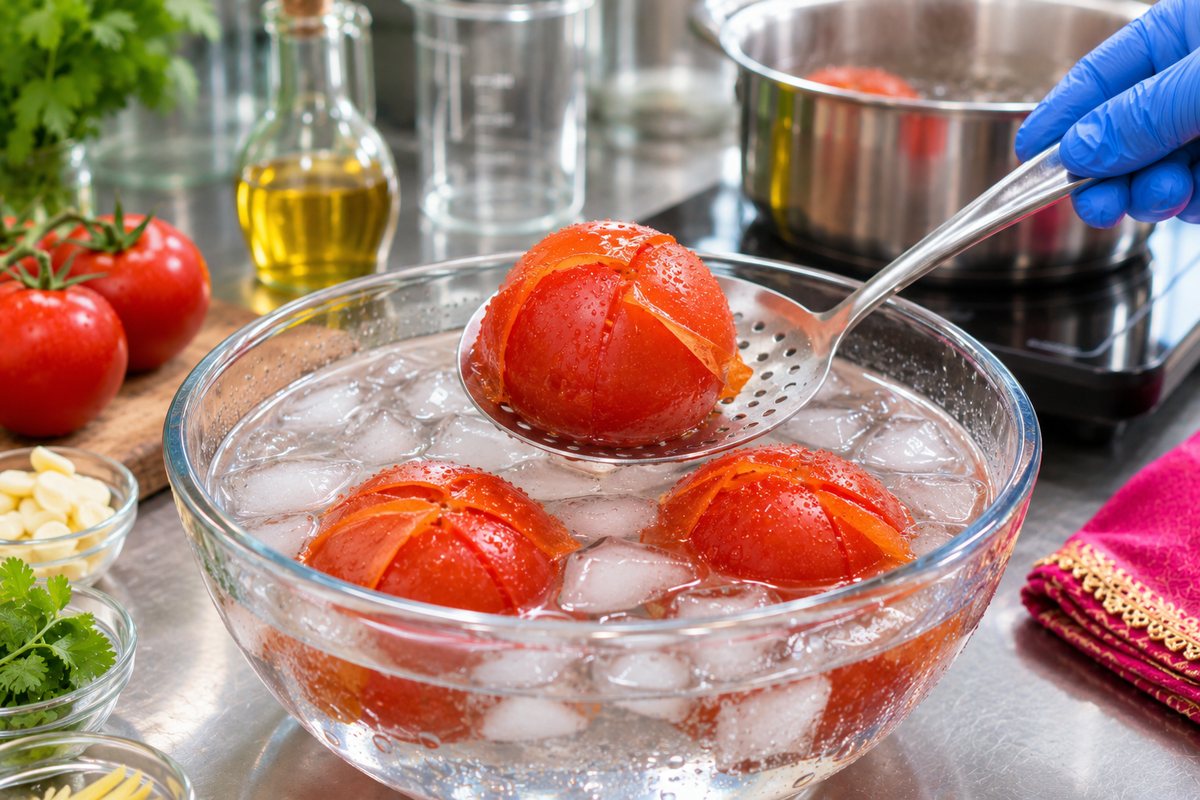
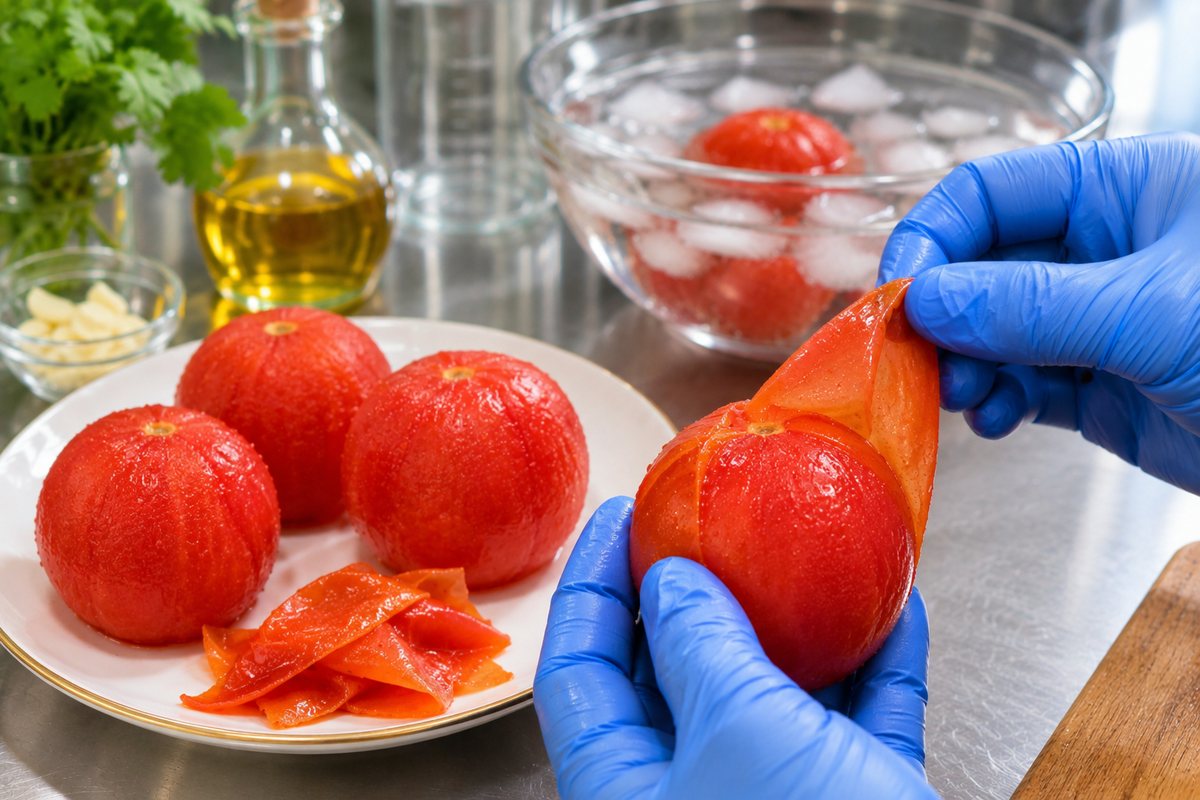
Tomato skin is a tough, waxy layer that doesn’t break down with cooking; in a long-cooked masala it curls into chewy flecks. The skin is also where almost all of a tomato’s flavonoids sit, mainly naringenin chalcone and rutin, the kind of plant compounds that can taste faintly bitter or astringent. Texture is the bigger, better-proven reason, but peeled tomatoes give the smoothest, cleanest-tasting gravy.
A short plunge heats only the outer layer. The heat weakens the pectin that glues the skin to the flesh, and steam forming underneath pushes the skin away, so it splits and curls back at the X while the flesh inside stays raw and firm.
Ice water stops the cooking at once, so the flesh doesn’t turn soft and mushy, and makes the tomatoes cool enough to peel right away. More than about a minute in the boiling water starts to cook the flesh.
Sources: National Center for Home Food Preservation: Put It Up! Boiling Water Canning · Muir et al., Nature Biotechnology (2001): flavonoids in tomato peel
Exact amounts and timings are in the recipe card below.
A simple vegetable dish with vitamin C and fiber.
2.5 g protein per 100 calories. Estimated from the ingredients with USDA FoodData Central values. Roti not included.
Gym-friendly tip: Add 150 g cubed paneer or a side of ¾ cup Greek yogurt raita (about +16 g protein), or serve with dal.
Cauliflower is a cruciferous vegetable and a good source of vitamin C and fiber.
Potatoes supply potassium and vitamin C along with filling starch.
Curcumin, turmeric’s golden pigment, is poorly absorbed on its own. It dissolves in fat, and black pepper’s piperine raised its absorption in a small 1998 study. NIH says turmeric’s effects on health in people are still uncertain, so enjoy it for flavor and color rather than as a remedy.
General nutrition information, not medical advice. Numbers marked “estimated” are calculated from the recipe’s ingredients and vary with brands and portions. If you have diabetes, heart or kidney disease, a food allergy, or are pregnant, ask your doctor or a registered dietitian how this dish fits your diet.
Fits these health goals: High blood pressure, Type 2 diabetes and prediabetes, Constipation and gut health, Celiac disease (gluten-free), Gout, Fatty liver disease (MASLD), Irritable bowel syndrome (IBS) (general guidance, not medical advice)
Health sources: NIH Office of Dietary Supplements: Vitamin C · NIH NCCIH: Turmeric · Dietary Guidelines for Americans
See the full ingredient health guide: benefits, traditional roots and the science →
Yes, as long as you cook it in oil rather than ghee.
It’s mostly vegetables, at about 240 calories and 7 g of fiber per serving (estimated). Pair it with dal or yogurt for protein.
Too much water, too long under the lid, or florets cut too small. Brown first, cover briefly, then uncover.
Yes. Thaw it, pat it very dry and shorten the covered step; it cooks faster.
No. Cut small, they cook through in the covered step.
Desi restaurant favorites, recreated at home and explained with food science: every recipe is tested in a home kitchen and comes with the why behind each step.
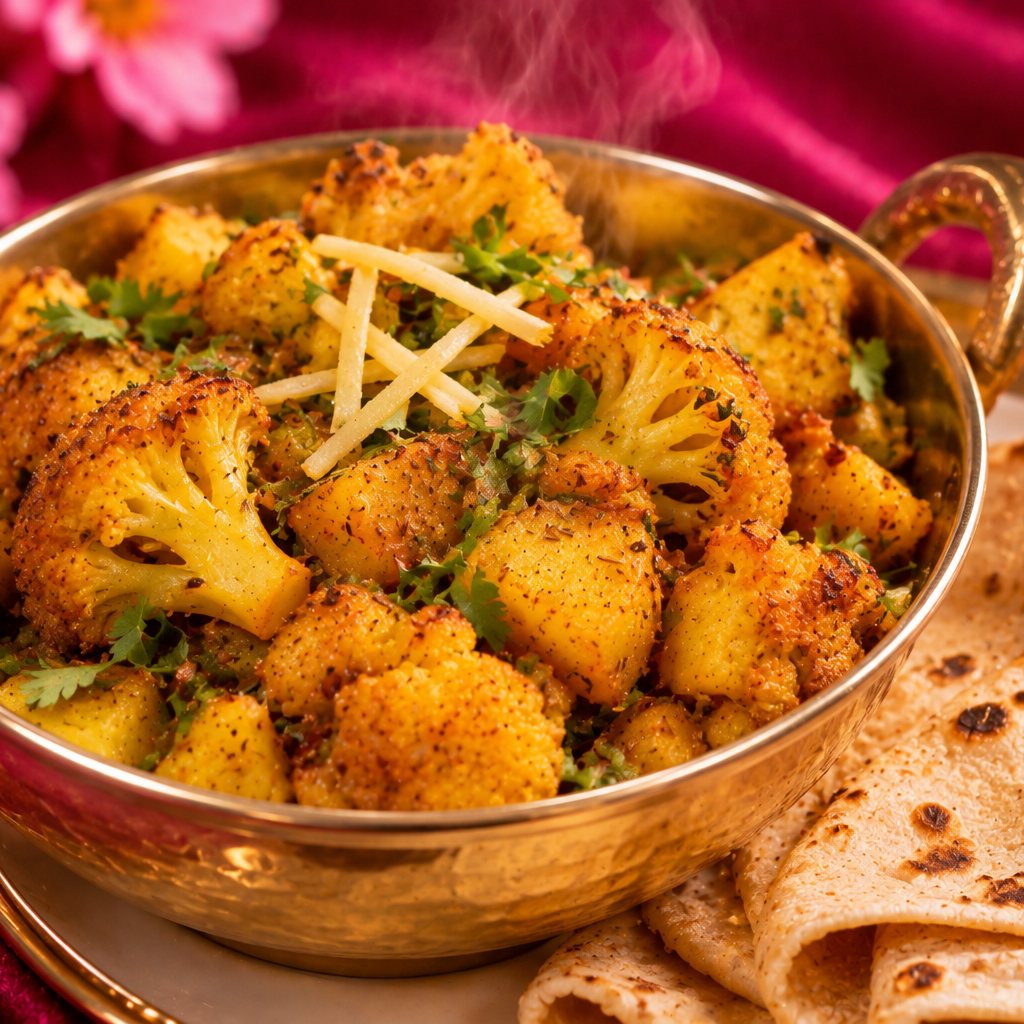
Dry Punjabi aloo gobi with golden-edged cauliflower and tender potatoes in the classic Indian base. Stovetop and Instant Pot methods, with the food science of browning instead of steaming.
Faster and more hands-off; the cauliflower comes out softer.
Scrape the bottom well after the tomato; stuck masala can trigger the Burn warning.
How much to make, based on 4 people eating it once a day. One batch of this recipe makes 4 servings.
Why only a few days in the fridge? Refrigeration slows bacteria but doesn’t stop them; some, like Listeria, can still grow at fridge temperatures, which is why food-safety agencies set cooked leftovers at 3–4 days. Freezing at 0°F stops growth completely, so frozen portions stay safe indefinitely; the freezer times above are for best taste and texture.
Food-safety guidance: USDA, Leftovers and Food Safety · FoodSafety.gov storage chart