Chicken legs and thighs
चिकन लेगمرغی کی ران
murghī kī rān
Bone-in, skinless chicken legs, thighs or drumsticks.
Its job: Dark meat stays juicy at high heat.
Also called Tandoori Murgh · तंदूरी चिकन · تندوری چکن
Bone-in chicken marinated in yogurt or sour cream with ajwain, lemon, lal mirch, black pepper, garam masala, kasuri methi and ginger-garlic, then roasted very hot until charred. Plus what a real tandoor looks like and how this dish was born.
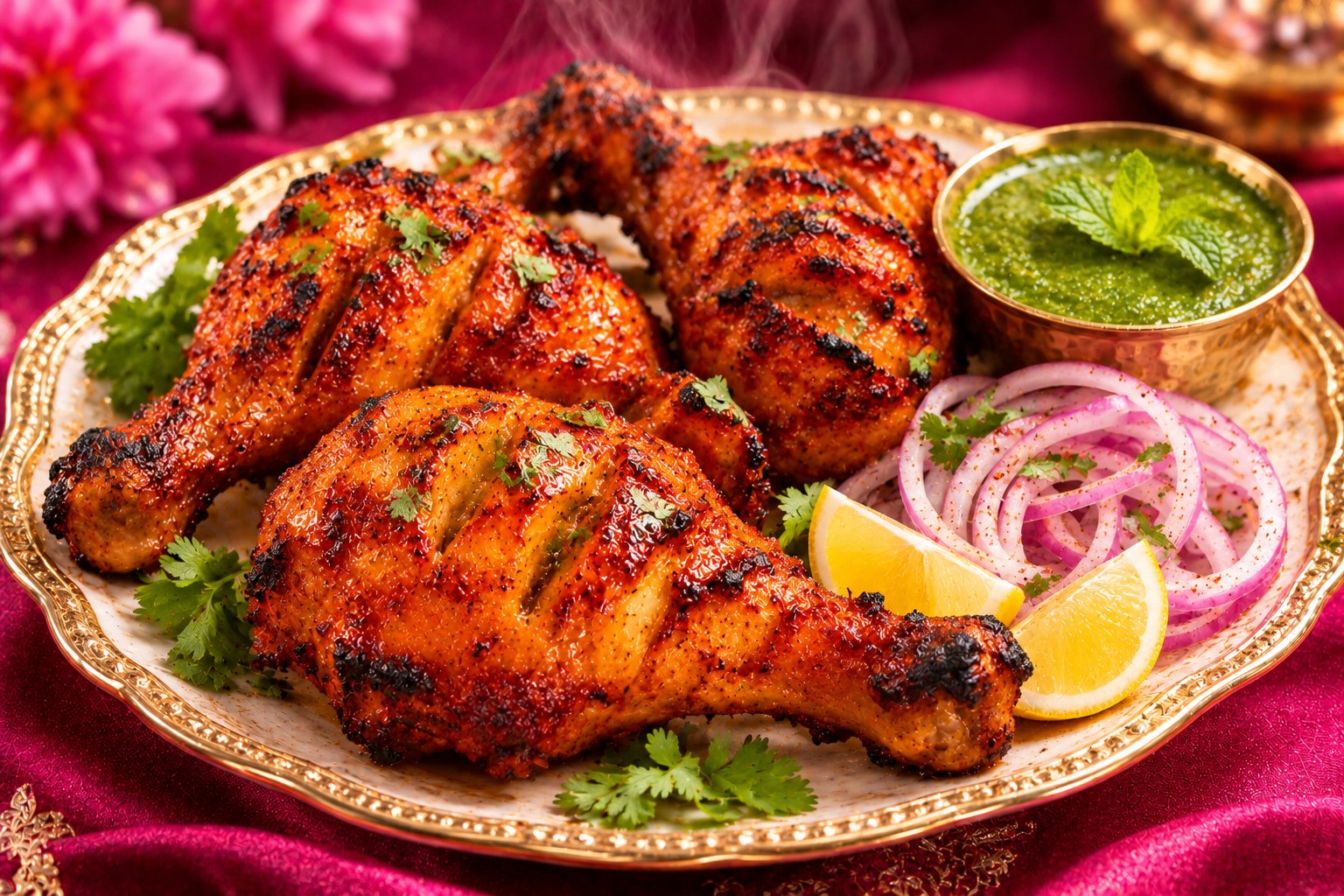
Tandoori chicken is skinless chicken marinated in yogurt, ginger-garlic, Kashmiri chili, ajwain and garam masala, then roasted very hot until charred. It’s one of the leanest restaurant favorites, at about 320 calories and 39 g of protein per serving.
 From the MedRise Food Science kitchenPublished
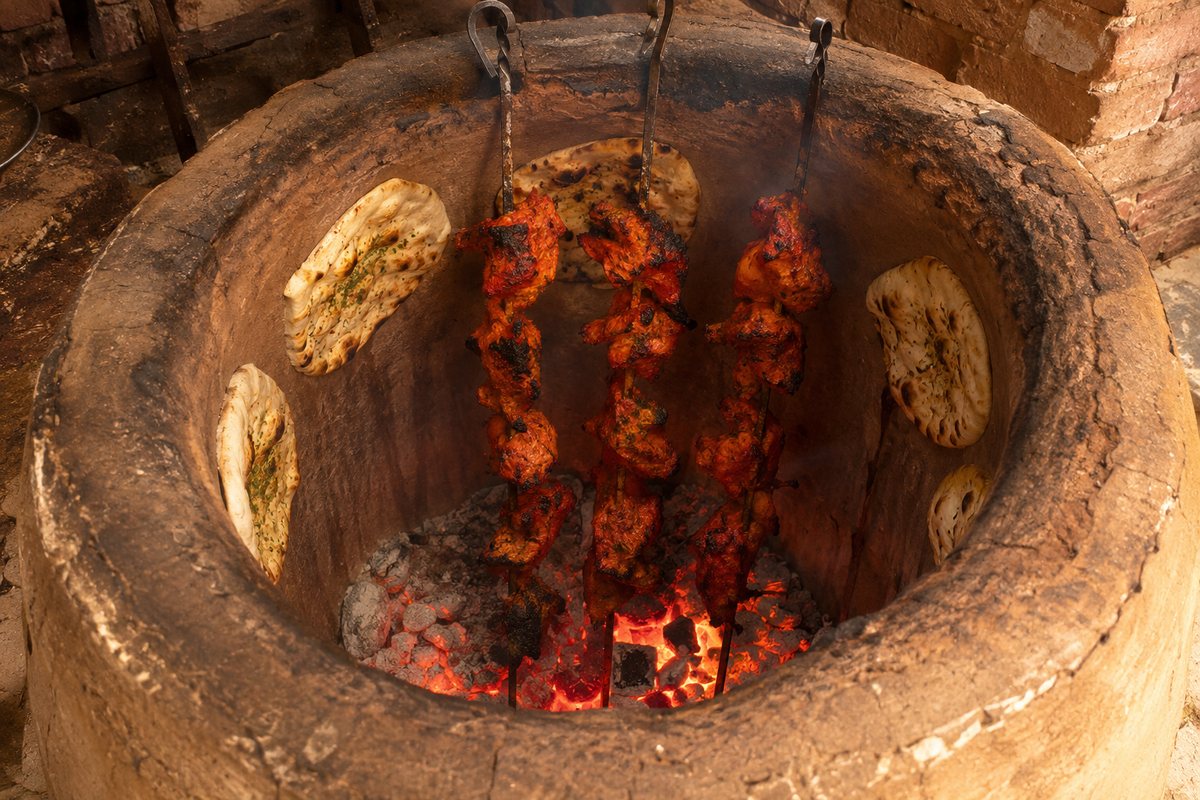
A tandoor is a tall, cylindrical clay oven, usually sunk into the ground or set in a brick-and-mud surround. A charcoal or wood fire burns at the bottom, and the thick clay walls soak up the heat until the inside of the oven is fiercely hot.
Breads like naan and tandoori roti are slapped straight onto the inner walls, where they puff and blister in a minute or two. Meat goes in on long metal skewers, cooked all at once by the glowing coals below, the radiant heat of the walls and the hot air rising through the oven. That combination is what gives tandoori food its smoky char outside and juicy inside.
Ovens of this kind go back thousands of years: remains of clay tandoors have been found at Indus Valley sites. For most of that history, though, the tandoor was a bread oven.
Tandoori chicken as we know it took shape in Peshawar in undivided Punjab, at a small restaurant called Moti Mahal, where Kundan Lal Gujral and his partners began cooking yogurt-marinated chicken in the bread tandoor. After Partition in 1947, Gujral, Kundan Lal Jaggi and Thakur Dass Magu moved to Delhi and reopened Moti Mahal in Daryaganj, and from there tandoori chicken spread around the world.
Most home kitchens don’t have a tandoor, so these recipes use a very hot oven, an air fryer or an Instant Pot air-fryer lid, with a final blast under the broiler for char.
Tandoori chicken is chicken marinated in yogurt and spices and roasted in a tandoor, a cylindrical clay oven. Its bright red color traditionally comes from Kashmiri chili, and its smoky char from the tandoor’s intense heat.
The photo shows a traditional tandoor: a clay oven with charcoal glowing at the bottom, naan baking on the walls and skewers of chicken standing inside. At home, a very hot oven, an air fryer or an Instant Pot air-fryer lid gets you close.
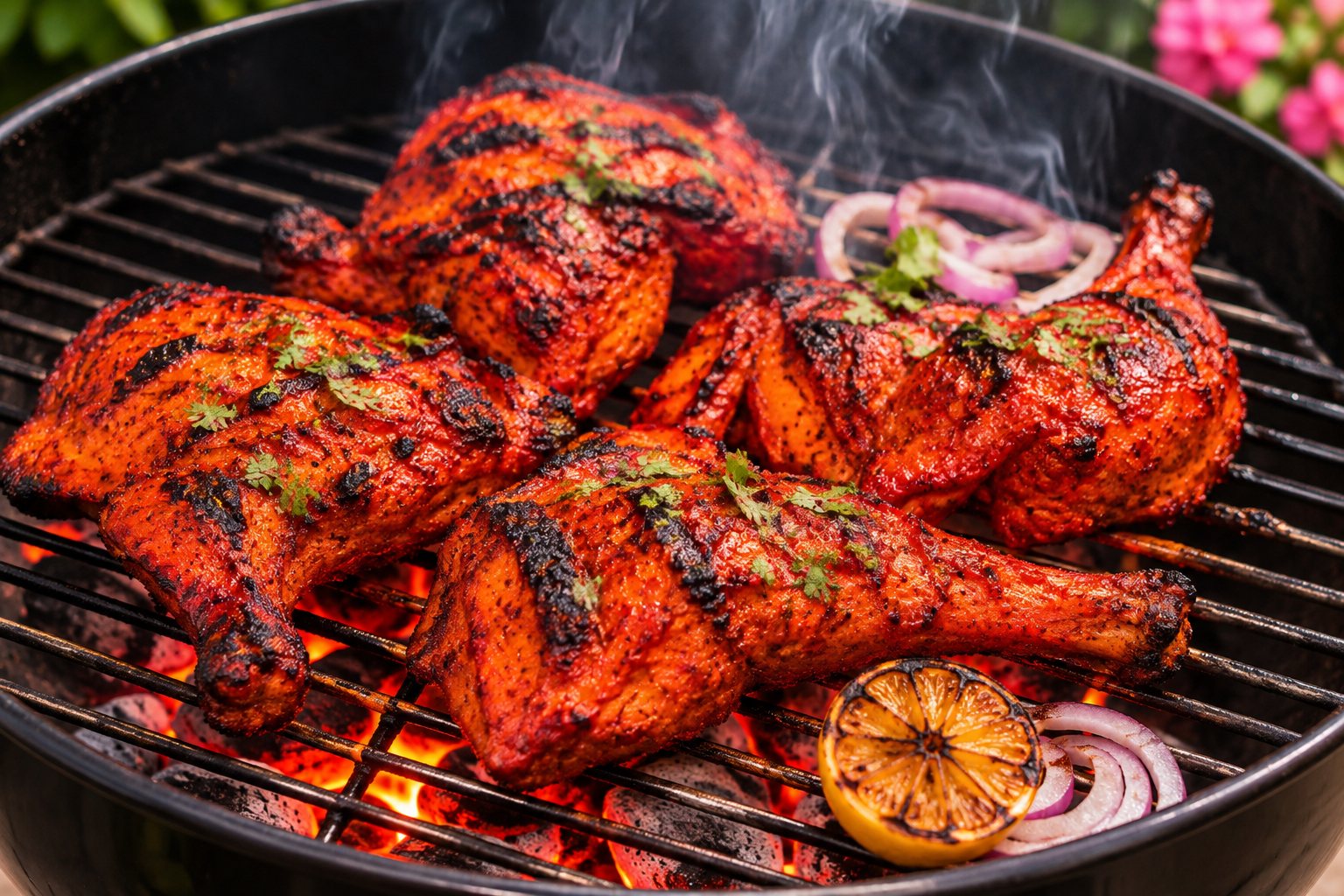
For the smokiest char, cook the marinated chicken over medium-hot charcoal, turning every few minutes, for 20–25 minutes until it reaches 165°F, then finish with the chaat masala butter.
The marinade ingredients, with their English, Hindi and Urdu names.
Bone-in, skinless chicken legs, thighs or drumsticks.
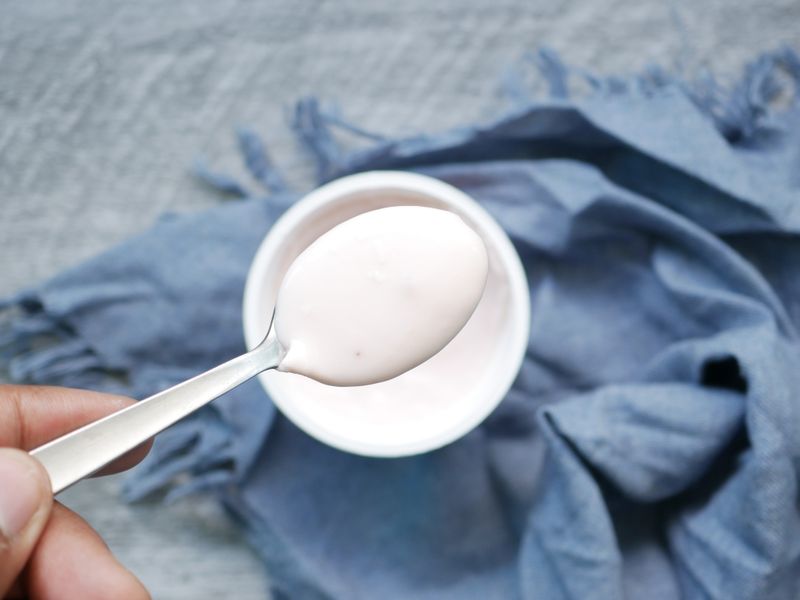
Plain whole-milk Greek yogurt, strained yogurt (hung curd) or sour cream.
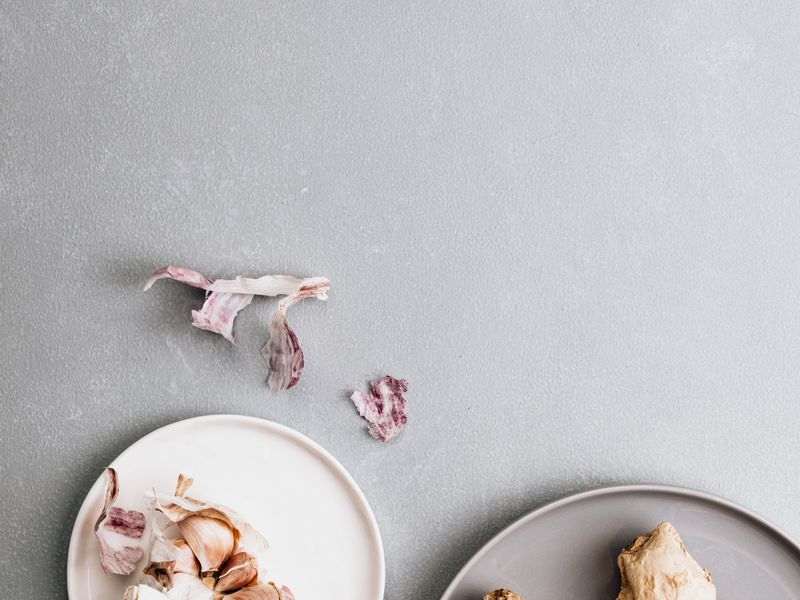
Fresh ginger and garlic ground together, or store-bought paste.
Tiny ridged seeds with a strong thyme-like flavor. Crush them lightly.

Freshly squeezed.
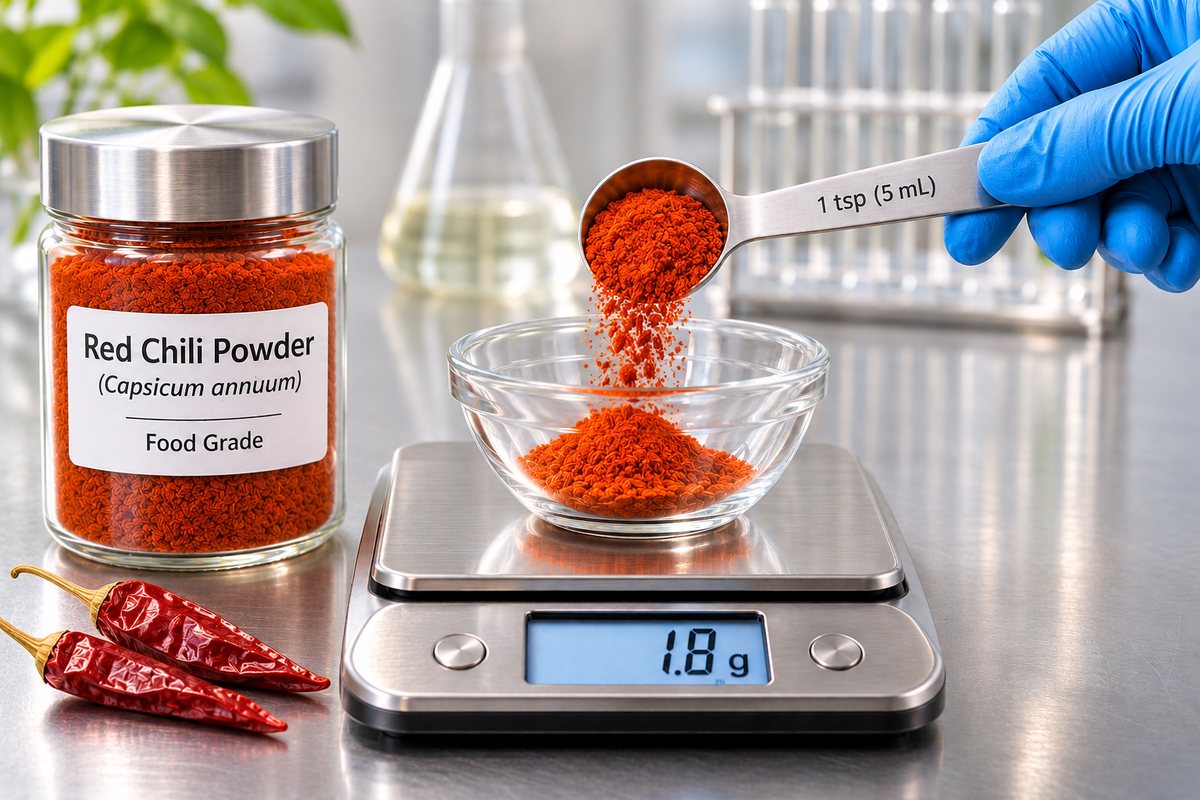
A mild, deep-red chili powder.
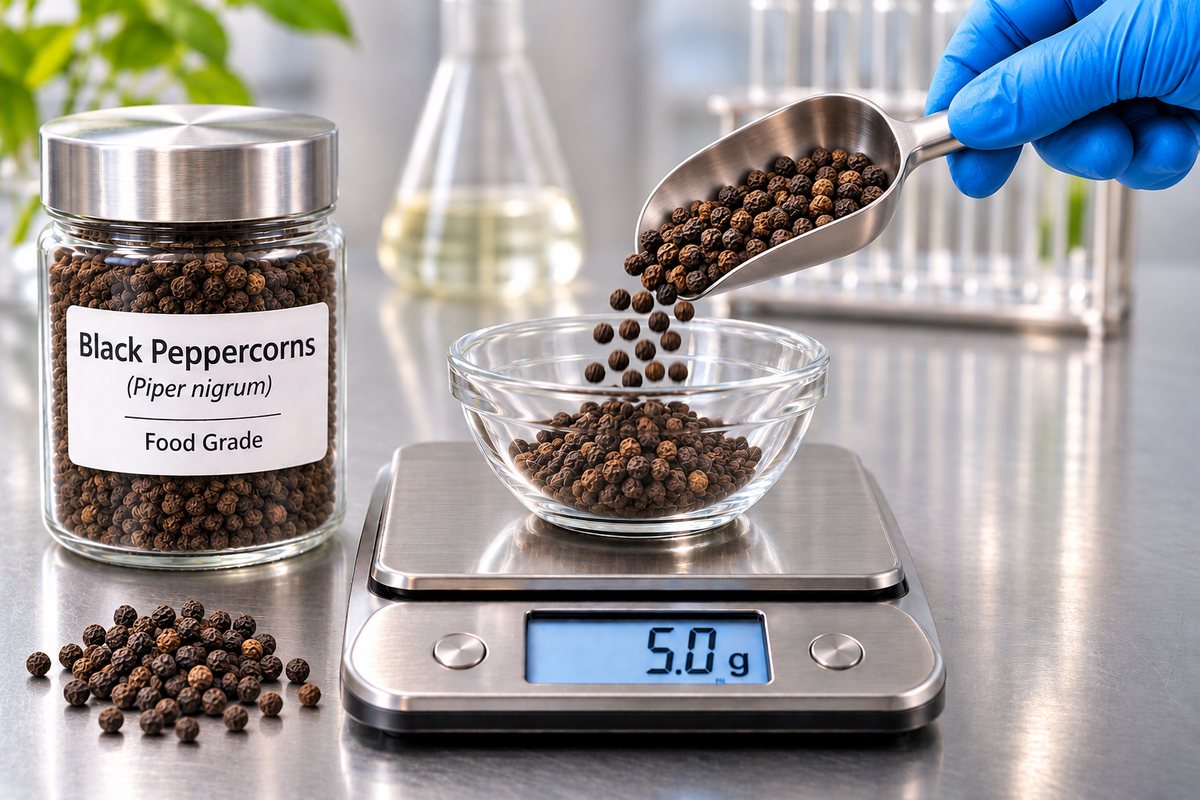
Freshly ground.
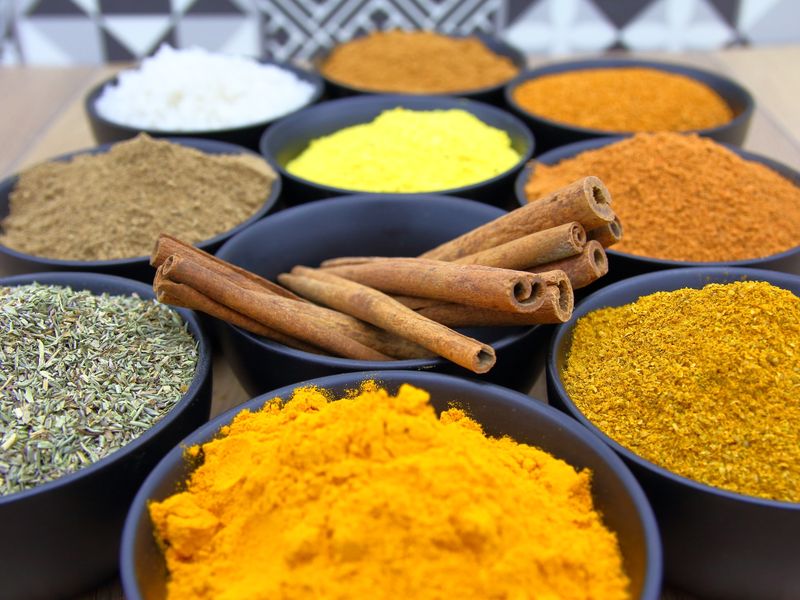
A ground blend of warming spices.
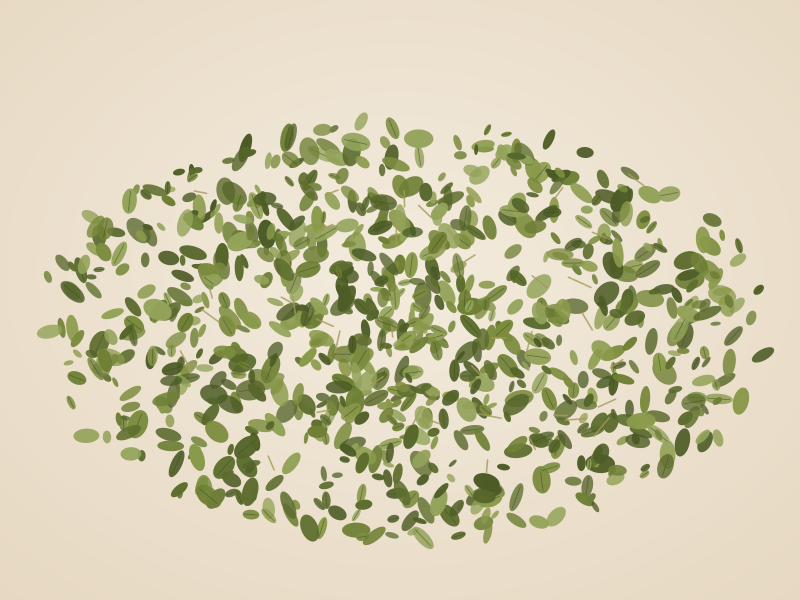
Dried fenugreek leaves, crushed between your palms.
Grow it yourself: Cilantro (dhania), Mint (pudina), Methi (fenugreek), Garlic, Ginger
Restaurant cooks do these things by habit. Here’s what each step is actually doing to the food, so you can cook by understanding instead of guesswork.
Coat the chicken in thick yogurt or sour cream with the spices.
Both are cultured dairy, mildly acidic and full of milk proteins. The gentle acid and enzymes soften the surface of the meat without turning it mushy the way a strong vinegar or lemon marinade can. Thick versions cling in a heavy layer, and their proteins and milk sugar brown and char in the heat. Sour cream has more fat and less tang than yogurt, so it gives a richer, milder coating that browns just as well.
Cut 2–3 deep slashes into each piece before marinating.
The marinade only flavors the outer few millimeters of meat. Slashes create more surface for it to reach, let heat into the thickest parts so they cook at the same pace as the thin ends, and give extra edges to char.
Marinate for at least 6 hours, and up to 24, in the fridge.
Salt is the ingredient that works deepest: given time, it moves into the meat and helps the muscle hold onto its moisture as it cooks, so the chicken stays juicy. Past about 24 hours the acid can make the surface mealy, so don’t go much longer.
Use Kashmiri red chili powder, plus a little food coloring for the restaurant look.
Kashmiri chili is prized for its deep red pigments and moderate heat; those pigments dissolve in the fat of the yogurt or sour cream and give a natural brick-red color. The vivid red-orange of restaurant tandoori chicken usually comes from added food coloring. It changes only the color, not the flavor, so it’s optional.
Crush the ajwain lightly before adding it.
Ajwain’s flavor comes from thymol, the same aroma compound found in thyme. Crushing the seeds releases it. It’s strong, so measure carefully.
Roast at 450°F (230°C) on a rack, then broil for char.
A tandoor cooks from every direction at once: radiant heat from the clay walls, hot air rising from the coals and direct heat from the fire. A very hot oven with the chicken on a rack lets air circulate all around, and a final broil supplies the direct top heat that chars the edges.
Cook until the thickest part reads at least 165°F (74°C).
All poultry must reach 165°F. Dark meat is actually most tender at about 175–185°F, because its connective tissue keeps softening at higher temperatures while the meat stays moist.
Exact amounts and timings are in the recipe card below.
What this dish brings to the table, with an honest rating of how strong the evidence is.
12.2 g protein per 100 calories. Estimated from the ingredients with USDA FoodData Central values.
Gym-friendly tip: Already high in protein. For a leaner plate, serve with salad and roti instead of rice, and use skinless thighs or breast.
A serving has roughly 39 g of protein and about 320 calories (estimated), with the skin removed.
The marinade is built on yogurt (or sour cream) and spices rather than oil or cream, and roasting on a rack lets fat drip away.
Ginger, garlic, chili, ajwain and kasuri methi bring big flavor; their health effects in food amounts are modest. See the ingredient health guide.
General nutrition information, not medical advice. Numbers marked “estimated” are calculated from the recipe’s ingredients and vary with brands and portions. If you have diabetes, heart or kidney disease, a food allergy, or are pregnant, ask your doctor or a registered dietitian how this dish fits your diet.
Fits these health goals: High blood pressure, Type 2 diabetes and prediabetes, High LDL cholesterol, Building muscle and staying strong with age, Celiac disease (gluten-free), PCOS (polycystic ovary syndrome), Fatty liver disease (MASLD), Irritable bowel syndrome (IBS) (general guidance, not medical advice)
Health sources: National Cancer Institute: Chemicals in meat cooked at high temperatures and cancer risk · Dietary Guidelines for Americans
See the full ingredient health guide: benefits, traditional roots and the science →
They share the yogurt-spice marinade. Tandoori chicken uses bone-in pieces; chicken tikka uses boneless cubes on skewers.
Yes. This recipe is written for a home oven: roast at high heat, then finish under the broiler for the char.
Yes. Full-fat sour cream works the same way; it’s a little richer and less tangy.
Most restaurants add red or red-orange food coloring to the marinade. It’s optional here: Kashmiri chili alone gives a deeper, brick-red color with the same flavor.
Any liquid or powdered food coloring sold for food use in the US. “Tandoori color” powders from Desi grocery stores work too; check that the label lists food-grade colors and use only a pinch.
At least 6 hours and up to 24 in the fridge. Longer can make the surface mealy.
The modern dish is credited to Kundan Lal Gujral and his partners at Moti Mahal, first in Peshawar and, after 1947, in Delhi.
Desi restaurant favorites, recreated at home and explained with food science: every recipe is tested in a home kitchen and comes with the why behind each step.
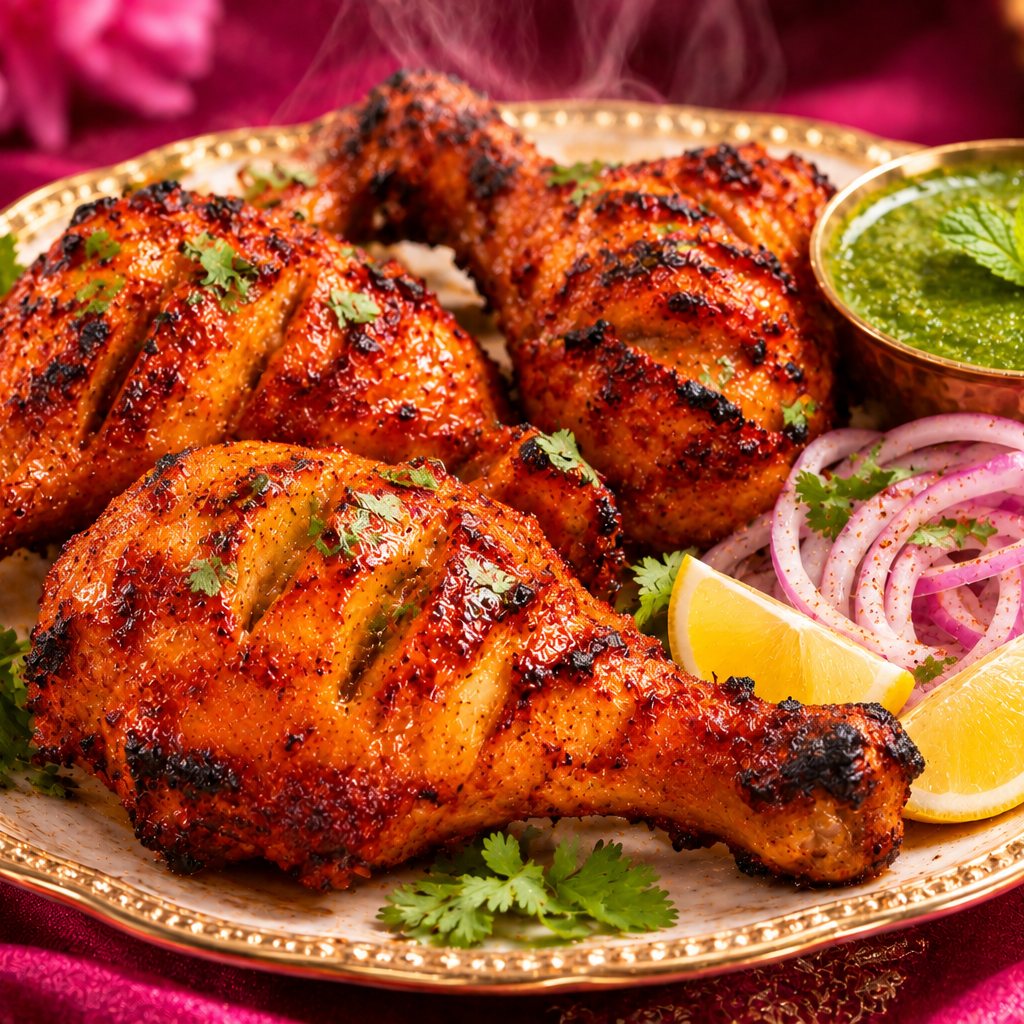
Juicy, charred tandoori chicken at home: bone-in chicken in a yogurt (or sour cream) marinade with ajwain, lemon, Kashmiri chili, black pepper, garam masala, kasuri methi and ginger-garlic, roasted hot and finished under the broiler. Plus the story of the tandoor and the science of the marinade.
An air fryer, or the air-fryer lid for an Instant Pot, gives excellent char with no broiler needed.
How much to make, based on 4 people eating it once a day. One batch of this recipe makes 4 servings.
Why only a few days in the fridge? Refrigeration slows bacteria but doesn’t stop them; some, like Listeria, can still grow at fridge temperatures, which is why food-safety agencies set cooked leftovers at 3–4 days. Freezing at 0°F stops growth completely, so frozen portions stay safe indefinitely; the freezer times above are for best taste and texture.
Food-safety guidance: USDA, Leftovers and Food Safety · FoodSafety.gov storage chart