Whole milk
दूधدودھ
dūdh
Full-fat cow’s milk. A gallon makes roughly 1¼–1½ lb of fresh paneer.
Its job: Its casein proteins and fat become the paneer; more fat means softer, richer curds.
Also called Scrambled Paneer · पनीर भुर्जी · پنیر بھرجی
Fresh paneer made at home with milk and lemon juice, then mashed into softened onions with turmeric, chili, garam masala and a generous handful of kasuri methi. The science explains how milk turns into cheese, and why paneer never melts.
Paneer bhurji is spiced scrambled paneer, the vegetarian answer to egg bhurji. This version starts from fresh homemade paneer and gives about 27 g of protein per serving.
 From the MedRise Food Science kitchenPublished
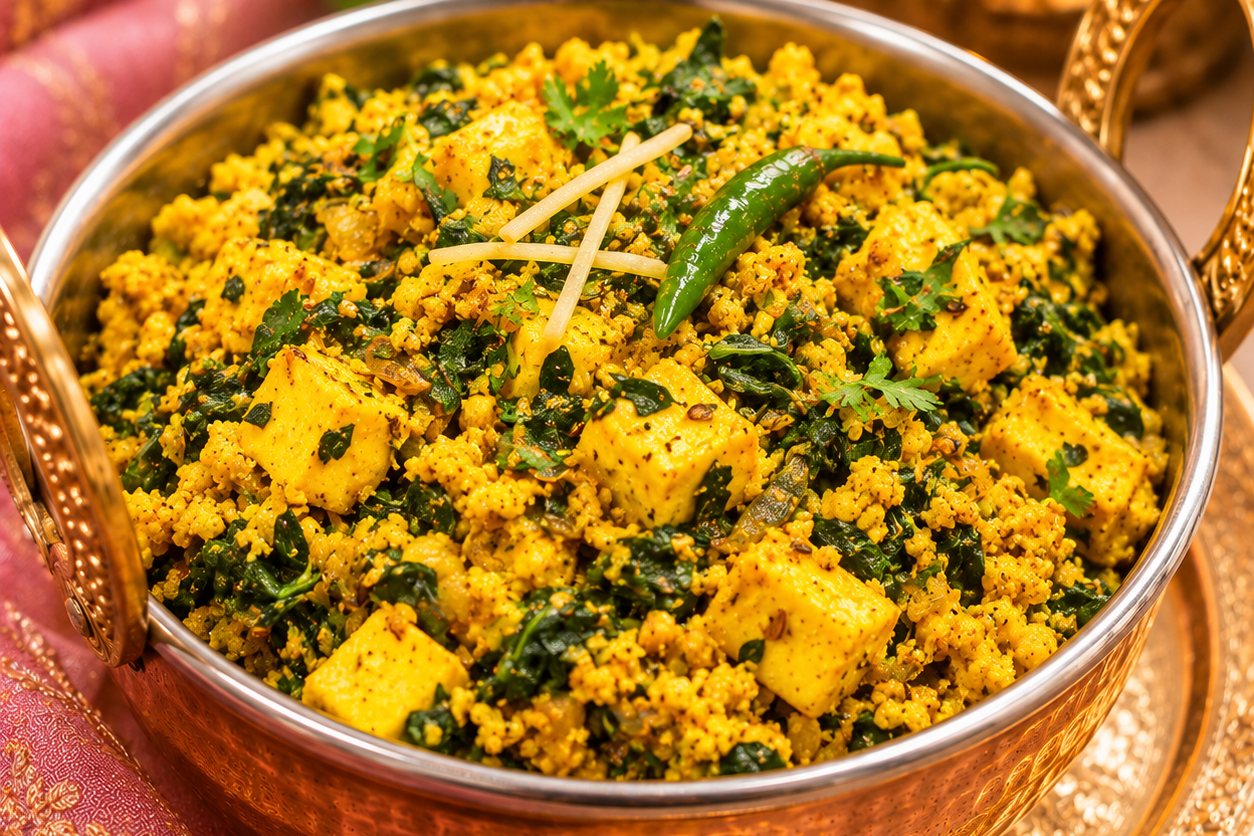
Paneer is South Asia’s fresh cheese: milk heated nearly to a boil and curdled with an acid such as lemon juice, then drained. It needs no rennet and no aging, so it’s ready within the hour. Bhurji means scrambled, and paneer bhurji is crumbled paneer cooked with onions and spices, the vegetarian cousin of anda bhurji (spiced scrambled eggs).
Because the paneer is crumbled anyway, there’s no need to press it into a firm block. Lightly drained, freshly made curds stay soft and milky and soak up the spices. The same fresh paneer is the start of rasmalai.
Here’s every ingredient, with its English, Hindi and Urdu names and what it does.
Full-fat cow’s milk. A gallon makes roughly 1¼–1½ lb of fresh paneer.
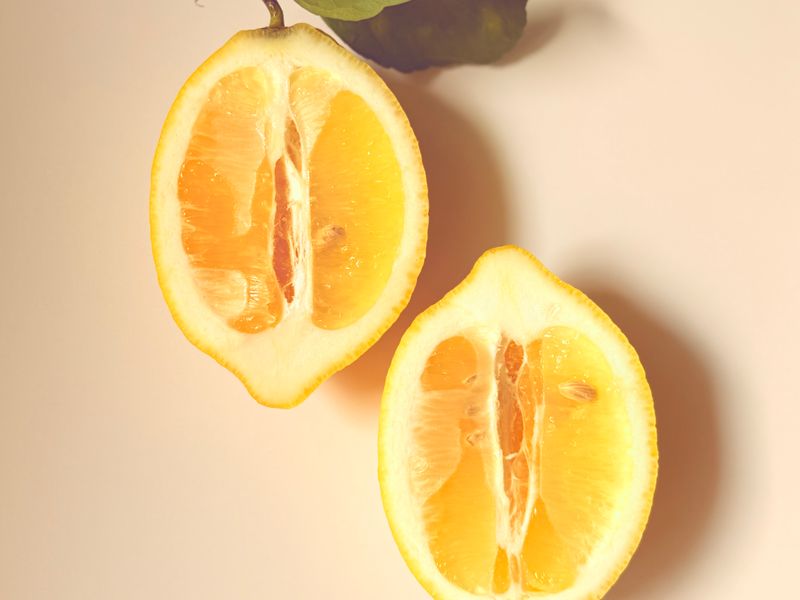
Fresh or bottled lemon juice, diluted in hot water.
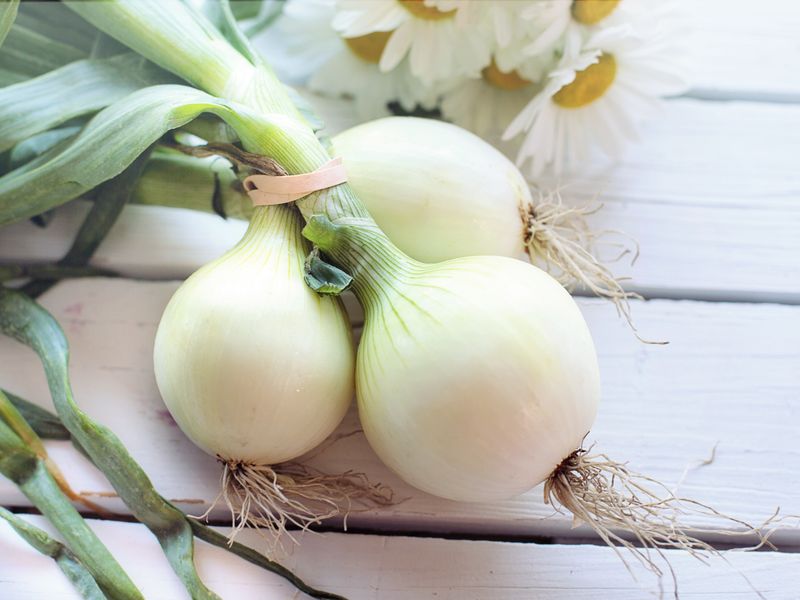
Milder and slightly sweeter than red onion. Finely chopped.
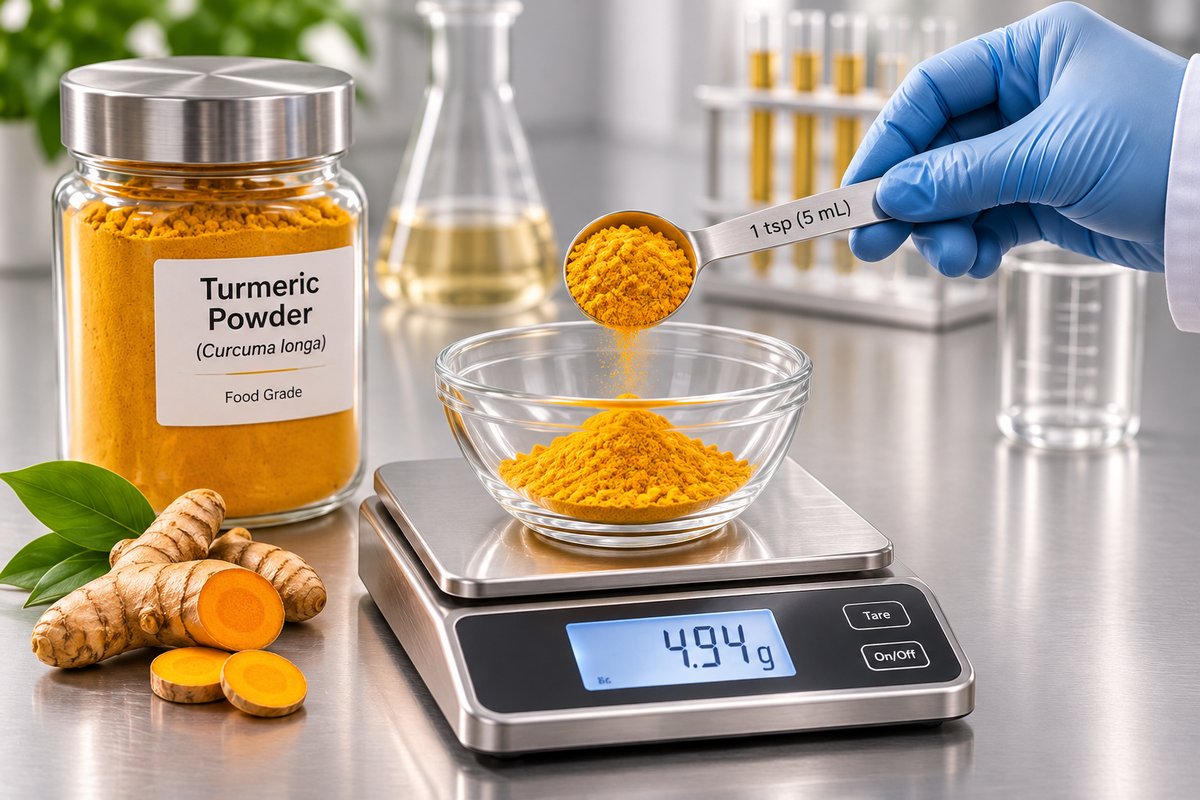
Ground turmeric root.
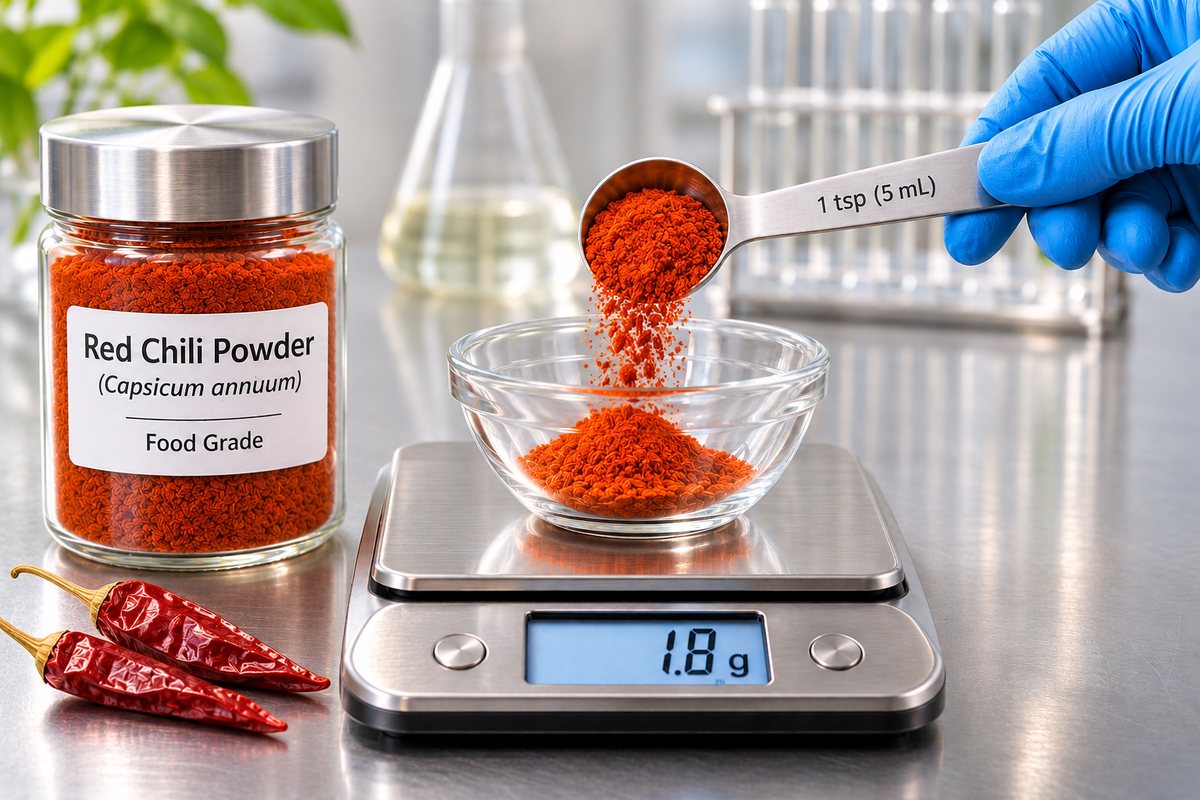
Ground dried red chilies, or crushed red pepper flakes.
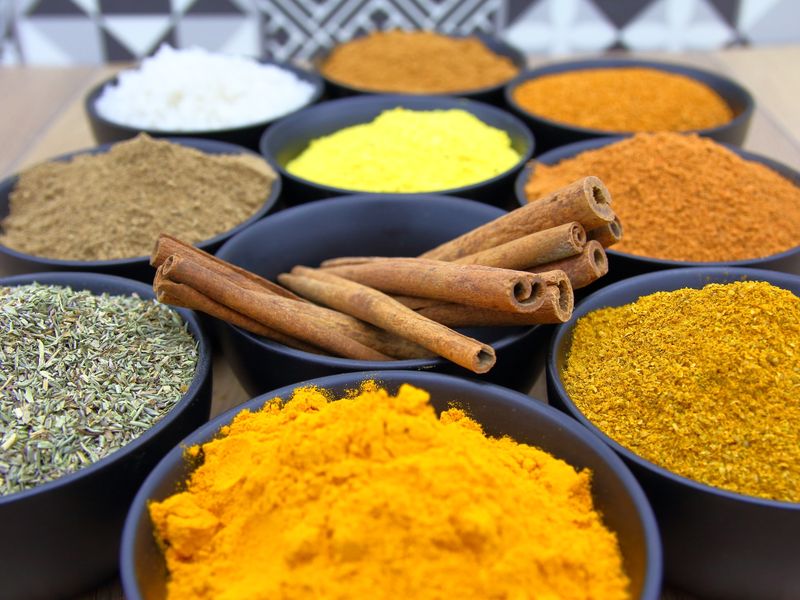
A ground blend of warming spices such as cinnamon, cardamom, cloves and black pepper.
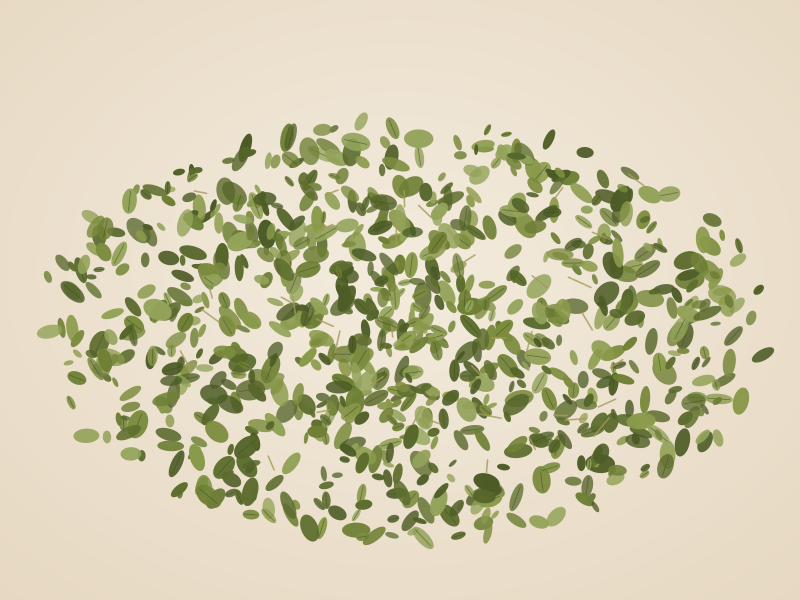
Dried fenugreek leaves.
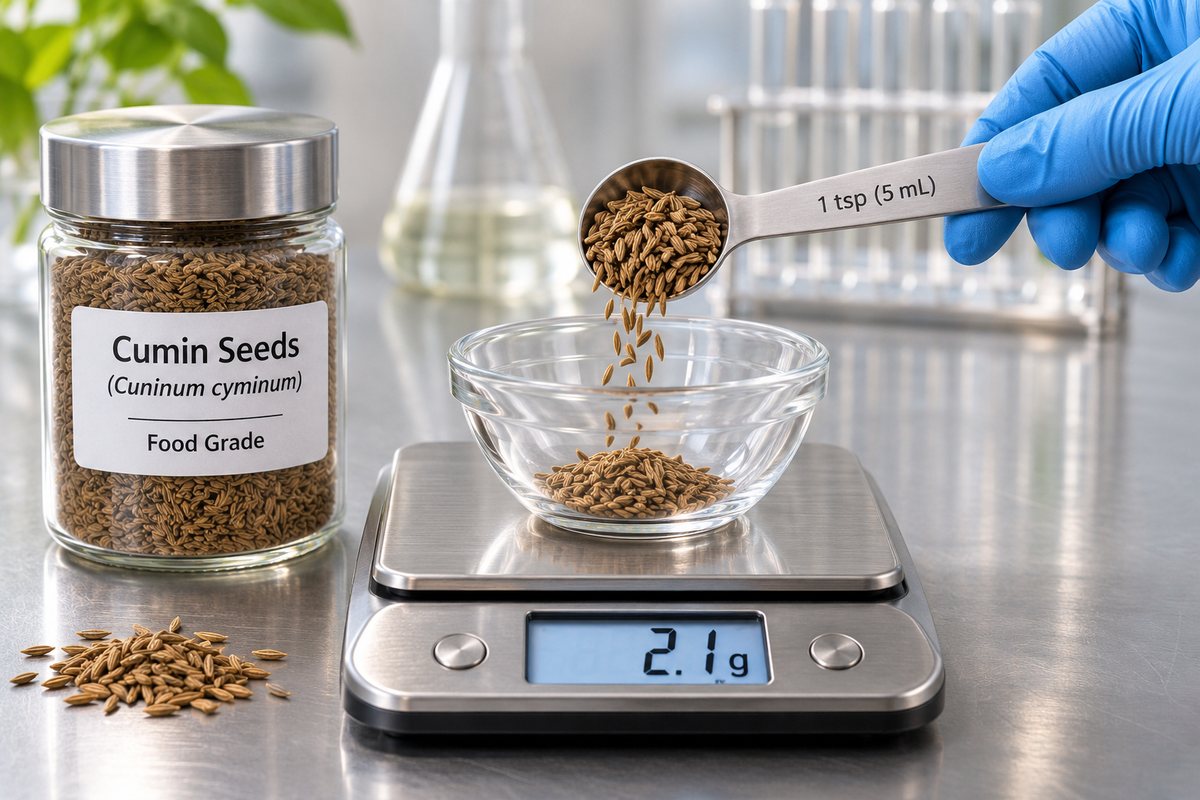
Ground cumin seeds.
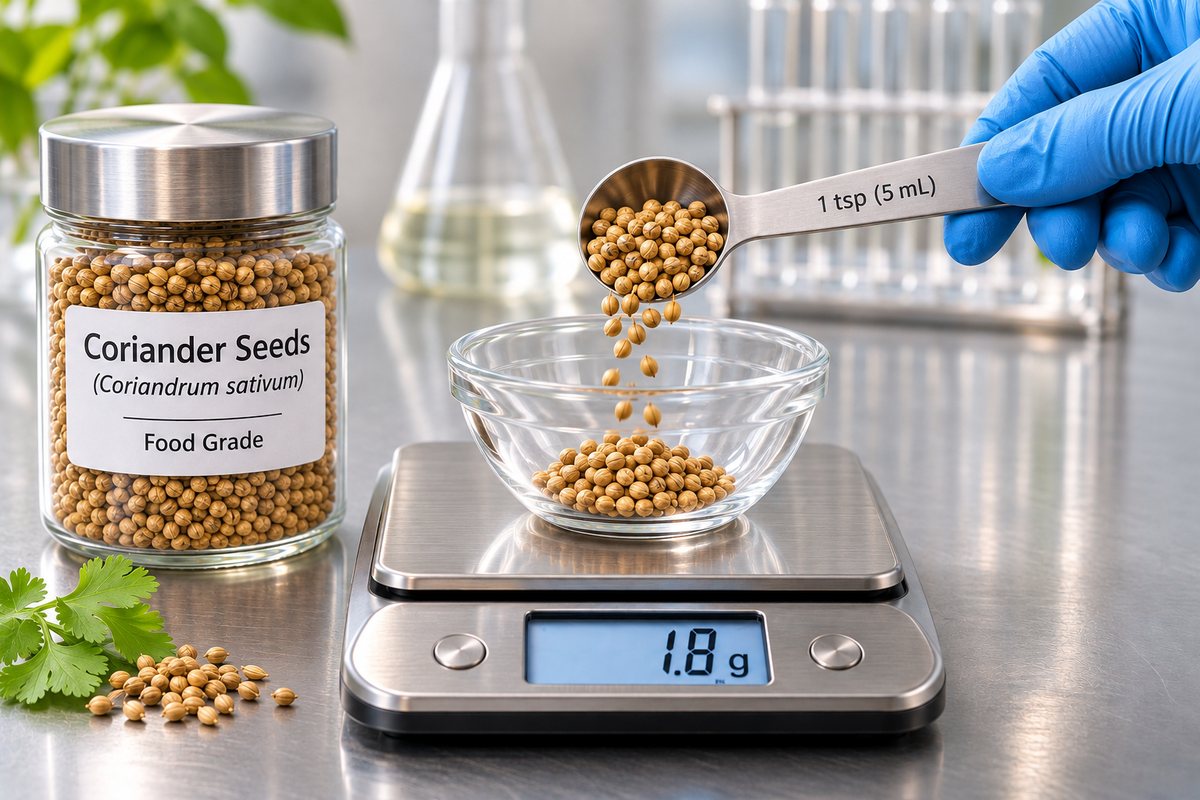
Ground coriander seeds.
Grow it yourself: Cilantro (dhania), Methi (fenugreek)
Restaurant cooks do these things by habit. Here’s what each step is actually doing to the food, so you can cook by understanding instead of guesswork.
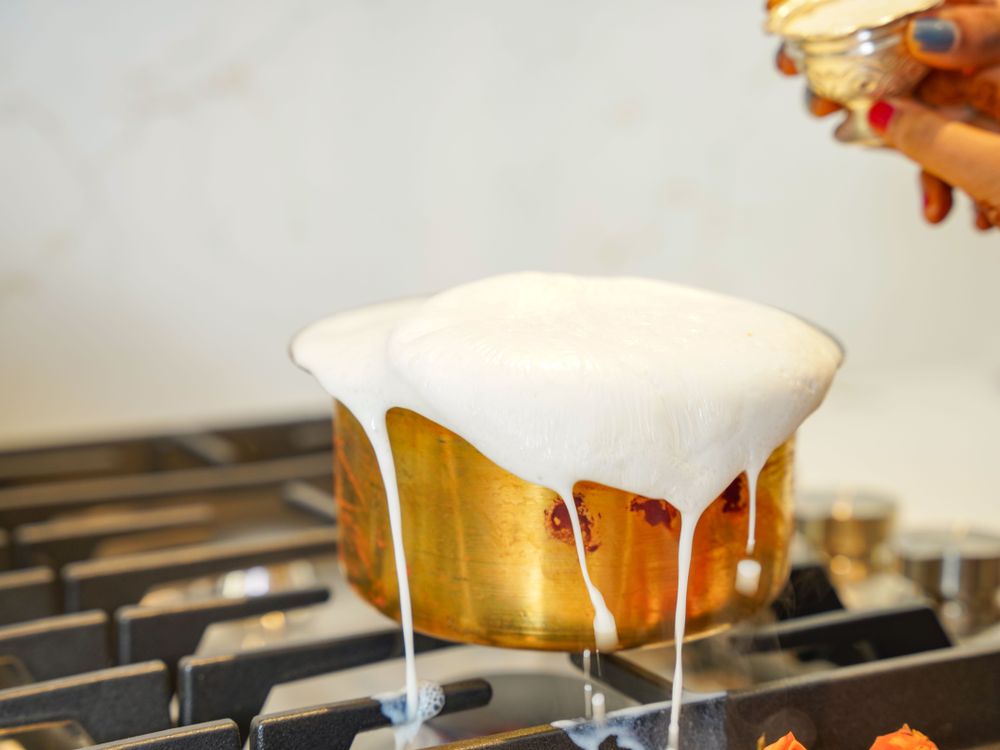
Heat the milk until it foams up, then add the lemon water.
Milk’s main proteins, the caseins, float in tiny clusters that carry a negative charge, so they repel each other and stay dispersed. Acid neutralizes that charge and the clusters clump into curds, trapping most of the fat with them. Heat makes this faster and firmer. Near-boiling temperatures also unfold the whey proteins so they bond to the casein and end up in the curd instead of the liquid, which is why paneer is made from hot milk and gives a good yield.
When the milk foams to the top of the pot, lower the heat or turn it off.
As milk heats, water evaporates from the surface and concentrates proteins and fat into a skin. Steam bubbles get trapped under it and the proteins stabilize them into foam that rises fast and spills over. That foam is your signal that the milk is at or near a boil, the right temperature for paneer, and turning the heat down prevents a boil-over and a scorched bottom.
Stir the lemon juice into 1 cup of hot water and add it in three parts.
Diluting the acid spreads it evenly through the pot, so the milk curdles uniformly instead of seizing into tight, rubbery clumps where the juice lands, and using hot water keeps the milk from cooling. Adding it gradually lets you stop as soon as the curds separate. Research on paneer has found that stronger acid gives lower yield and moisture and a less pleasant texture, so just enough acid keeps the curds soft.
Stop adding acid once the liquid around the curds turns clear and pale yellow-green.
That tint comes from riboflavin (vitamin B2), which stays dissolved in the whey. Once the whey looks clear rather than milky, the casein has curdled out; more acid would only make the paneer sour and tough.
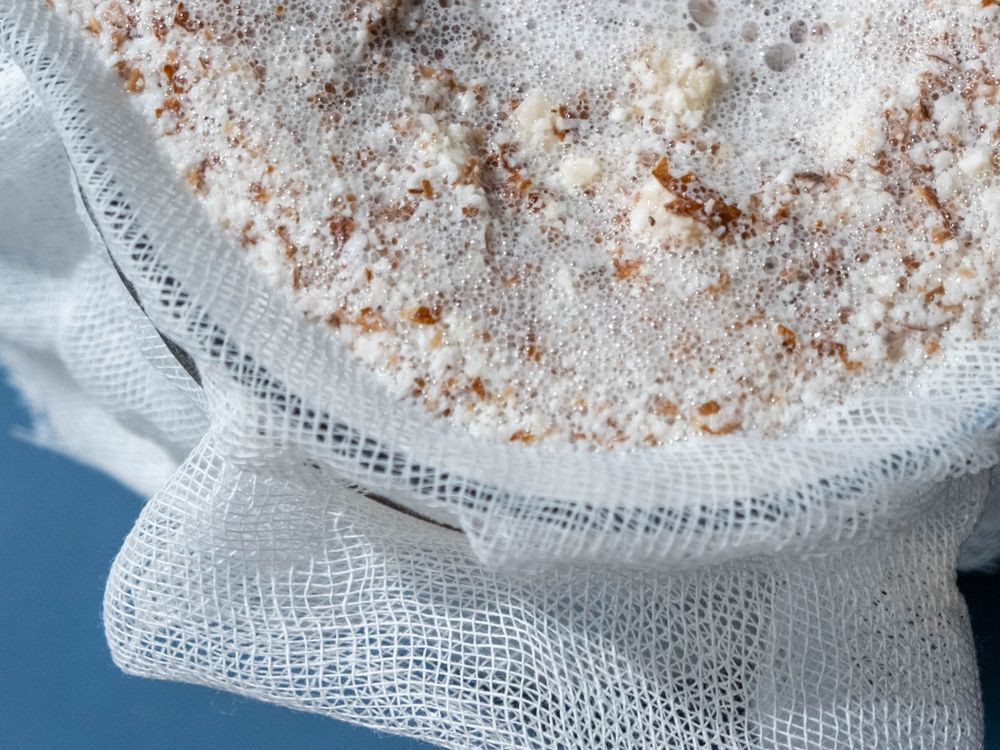
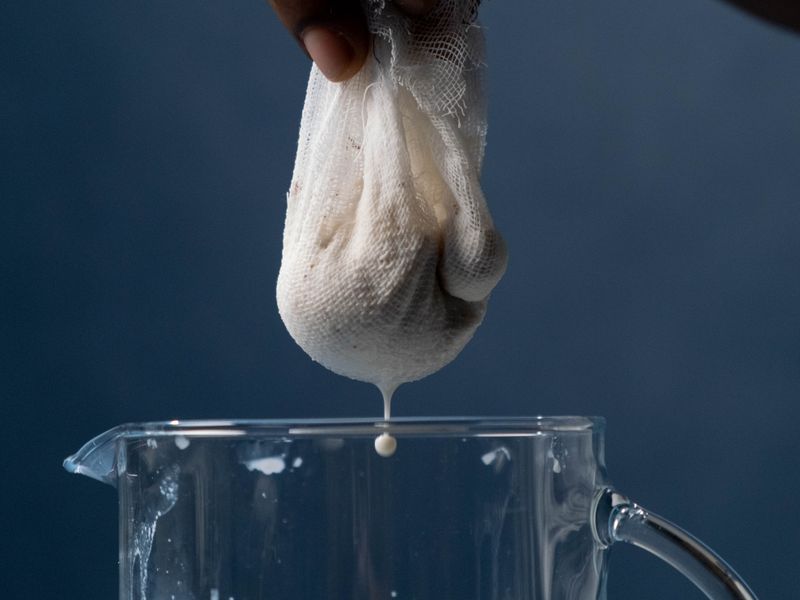
Drain the curds in a cheesecloth-lined colander and rinse briefly with cold water.
Rinsing washes off lemon juice that would make the paneer taste sour, and cold water cools the curds so they don’t keep tightening in the leftover heat. For bhurji there’s no need to press: 15–20 minutes of draining leaves them soft.
Mash the paneer straight into the pan; it stays in soft crumbs.
Paneer is an acid-and-heat-set cheese. Its proteins are bonded into a tight network that heat dries out rather than loosens, so it doesn’t soften and flow like cheddar or mozzarella. Food scientists classify paneer as a non-melting cheese, which is why bhurji stays crumbly and never turns stringy.
Sauté the onions for 5 minutes, then add the salt and cook until soft but still slightly crunchy.
Salt draws water out of the onion’s cells by osmosis, which helps them soften evenly. Cooking them only until they’re soft with a little bite keeps some texture against the creamy paneer.
Stir the turmeric, chili and garam masala into the onions for 30 seconds before the paneer goes in.
Curcumin, turmeric’s yellow pigment, and many of the flavor compounds in chili and garam masala dissolve in fat far better than in water. A short stir in the hot oil releases them and cooks off turmeric’s raw, dusty taste. Paneer has little free liquid to carry spices, so blooming them in the oil first is how the flavor reaches every crumb.
If the bhurji looks dry or catches on the bottom, stir in a few tablespoons of milk.
Fresh paneer’s proteins stick to hot metal as they dry out. A little milk loosens them and gives the scramble a creamier finish without watering down the flavor.
Turn off the heat, then stir in the cumin and coriander powders.
Their aromas come from volatile compounds that escape quickly in a hot pan. Adding them off the heat keeps the fragrance in the dish.
Exact amounts and timings are in the recipe card below.
What this dish brings to the table, with an honest rating of how strong the evidence is.
5.4 g protein per 100 calories. Estimated from the ingredients with USDA FoodData Central values.
Gym-friendly tip: Already high in protein. For a leaner plate, serve with salad and roti instead of rice, and use skinless thighs or breast.
Paneer is concentrated milk protein. A serving of this bhurji has roughly 27 g of protein (estimated), comparable to a serving of chicken.
Dairy foods are the main source of calcium in most diets, and paneer brings some of milk’s calcium along with its protein.
Curcumin, turmeric’s golden pigment, is poorly absorbed on its own. It dissolves in fat, and black pepper’s piperine raised its absorption in a small 1998 study. NIH says turmeric’s effects on health in people are still uncertain, so enjoy it for flavor and color rather than as a remedy.
Fenugreek has been studied for blood sugar control, but NIH considers the evidence too limited to draw conclusions. It’s here for its aroma.
General nutrition information, not medical advice. Numbers marked “estimated” are calculated from the recipe’s ingredients and vary with brands and portions. If you have diabetes, heart or kidney disease, a food allergy, or are pregnant, ask your doctor or a registered dietitian how this dish fits your diet.
Fits these health goals: Type 2 diabetes and prediabetes, Bone health and osteoporosis, Building muscle and staying strong with age, Acid reflux (GERD), Pregnancy, Gout (general guidance, not medical advice)
Health sources: Khan & Pal, Paneer production: a review (J Food Sci Technol) · NIH Office of Dietary Supplements: Calcium · NIH NCCIH: Turmeric · Shoba et al., piperine and curcumin absorption (Planta Medica, 1998) · NIH NCCIH: Fenugreek · Dietary Guidelines for Americans
See the full ingredient health guide: benefits, traditional roots and the science →
It’s high in protein, which helps you feel full, but whole-milk paneer is also high in fat (about 500 calories per serving). For weight loss, use less oil, a smaller portion of paneer and more vegetables.
The quick Instant Pot method in the recipe card: half-and-half and vinegar or lemon juice, 4 minutes at low pressure, a 10-minute natural release, then drain. It needs no watching at all.
It probably wasn’t hot enough, or it needed a little more acid. Bring it back up until it foams and add a bit more lemon water.
Too much acid, too much heat after curdling, or squeezing it very hard. Add acid only until the whey clears, take the pot off the heat, and drain gently.
Yes. Grate or crumble about 1¼ lb (550 g). Soak it in hot water for 10 minutes first to soften it, since packaged paneer is firmer and drier than fresh.
Roughly 1¼–1½ lb, depending on the milk’s fat and protein and how much whey you squeeze out.
Yes, both are common in paneer bhurji. Add chopped tomatoes after the spices and cook until soft before the paneer goes in; add green chilies with the onions.
Desi restaurant favorites, recreated at home and explained with food science: every recipe is tested in a home kitchen and comes with the why behind each step.
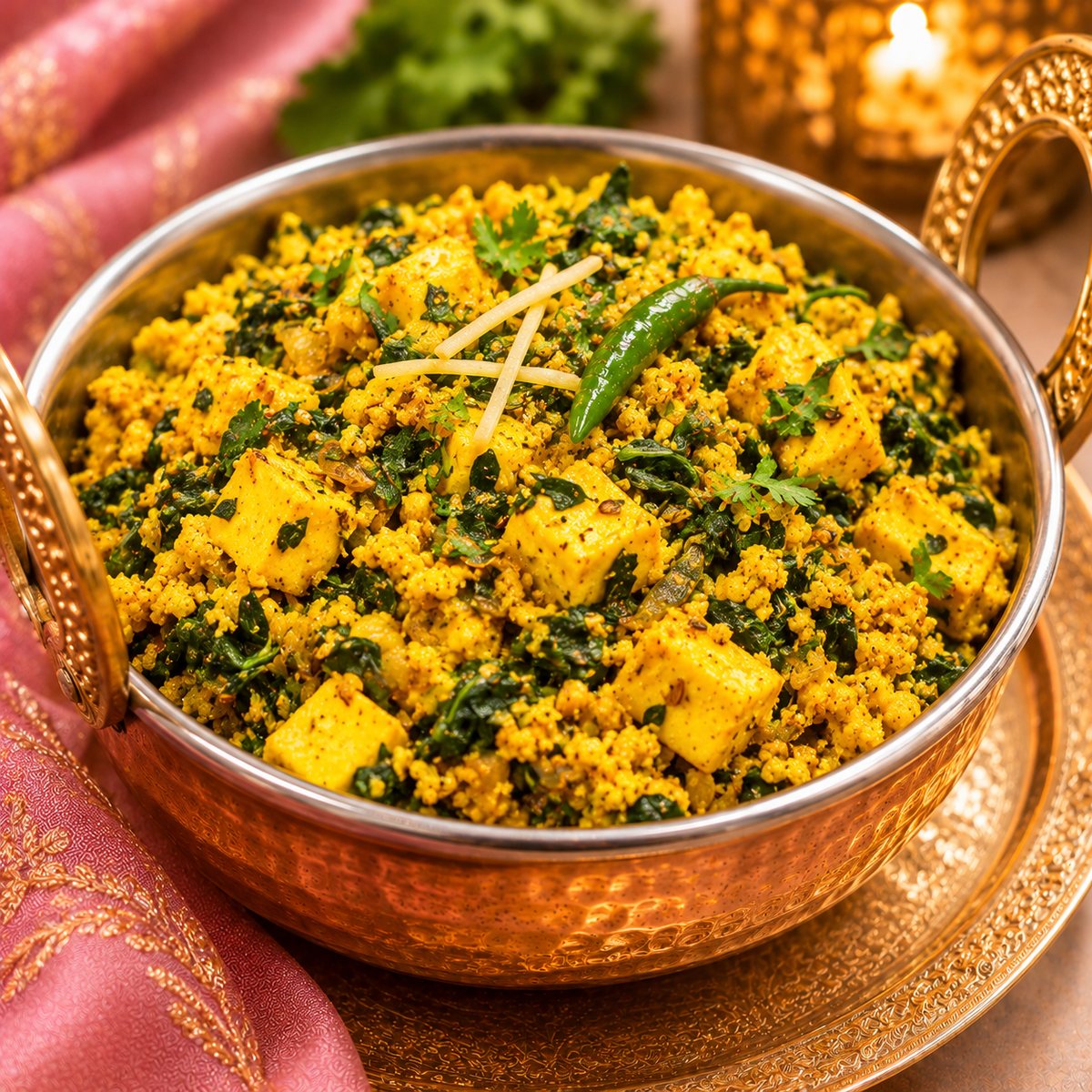
Paneer bhurji made from fresh homemade paneer: a gallon of milk curdled with lemon juice, then scrambled with onions, turmeric, red chili, garam masala and plenty of kasuri methi. With the food science and an Instant Pot method.
The fastest, hands-off way to make paneer: no watching the pot and no boil-overs. Half-and-half makes a softer, richer paneer than whole milk. One quart makes about 6 oz, so for this bhurji use 3 quarts (¾ gallon) of half-and-half in an 8-quart pot, or make two smaller batches.
Why it works: the acid is already in the pot as the half-and-half heats, so the casein curdles as soon as it’s hot enough, and a sealed pot can’t boil over or scorch the way an open pot can. The extra fat in half-and-half sits between the proteins, which is why this paneer is so soft.
How much to make, based on 4 people eating it once a day. One batch of this recipe makes 4 servings.
Why only a few days in the fridge? Refrigeration slows bacteria but doesn’t stop them; some, like Listeria, can still grow at fridge temperatures, which is why food-safety agencies set cooked leftovers at 3–4 days. Freezing at 0°F stops growth completely, so frozen portions stay safe indefinitely; the freezer times above are for best taste and texture.
Food-safety guidance: USDA, Leftovers and Food Safety · FoodSafety.gov storage chart