Fresh paneer (chenna)
छेनाچھینا
chhenā
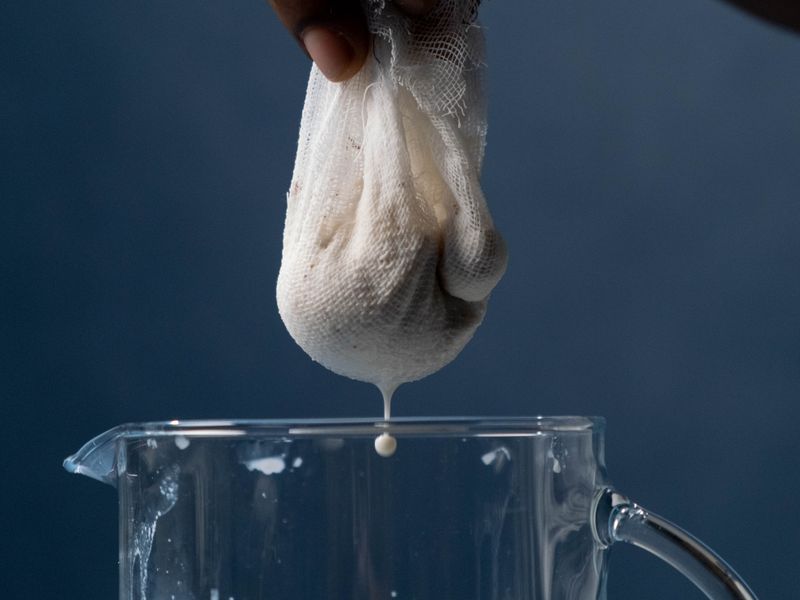
Freshly made, unpressed paneer, here made from half-and-half and vinegar in the Instant Pot. Bengali sweet-makers call it chhena.
Its job: The discs themselves: soft, spongy and milky.
Also called Ras Malai · रसमलाई · رس ملائی
Fresh paneer from the Instant Pot, kneaded smooth, shaped into discs, boiled until puffed and cooled under the lid so they don’t deflate. Then a soak in cardamom syrup and a long rest in thickened milk.
Rasmalai is soft homemade chhena (paneer) discs soaked in chilled, saffron-scented reduced milk. It’s served cold, and this recipe explains why the discs turn spongy instead of rubbery.
 From the MedRise Food Science kitchenPublished
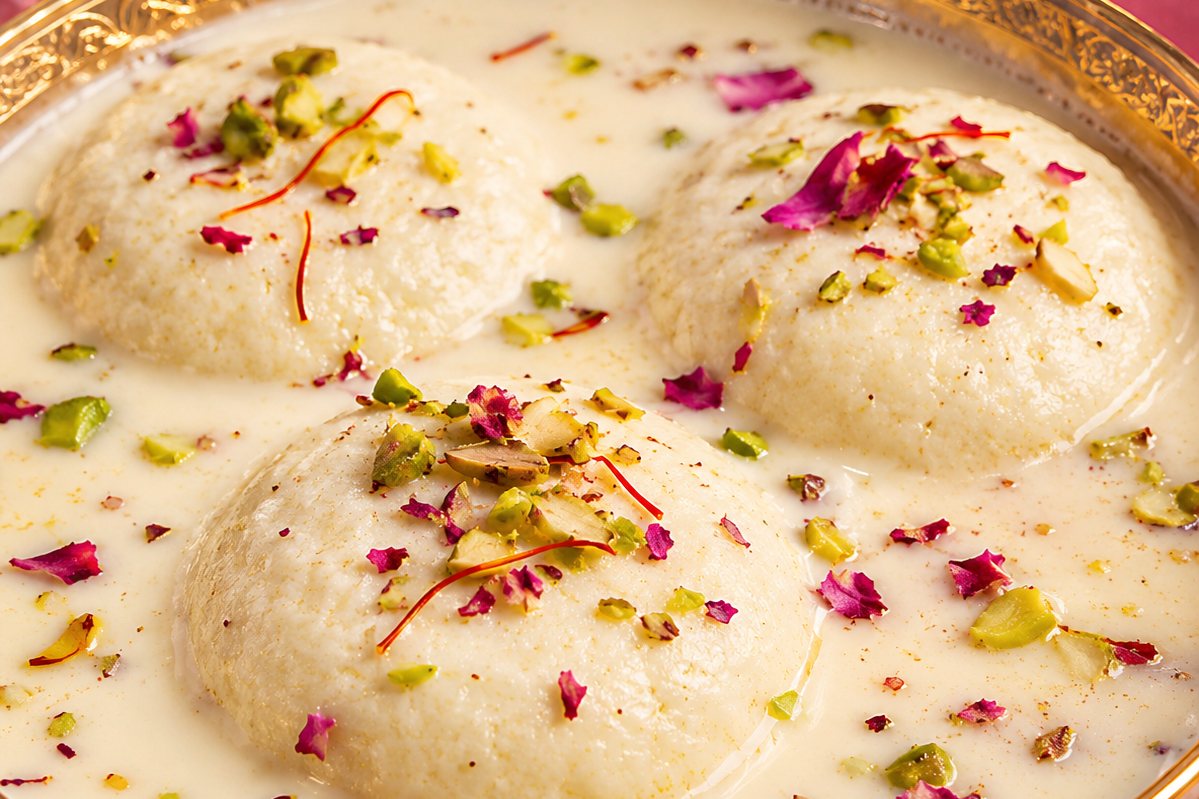
Rasmalai is soft discs of fresh cheese soaked in thickened, sweetened milk perfumed with cardamom. The name joins ras (juice) and malai (cream). It’s strongly associated with Bengali sweet-making and is loved across India and Pakistan.
This version starts with the quick Instant Pot paneer from the paneer bhurji recipe, made with half-and-half. The discs are boiled in plain water with the lid on, cooled covered so they keep their puff, squeezed, soaked in a cardamom syrup, and then everything goes into milk that has been simmered down.
The ingredients, with their English, Hindi and Urdu names.
Freshly made, unpressed paneer, here made from half-and-half and vinegar in the Instant Pot. Bengali sweet-makers call it chhena.
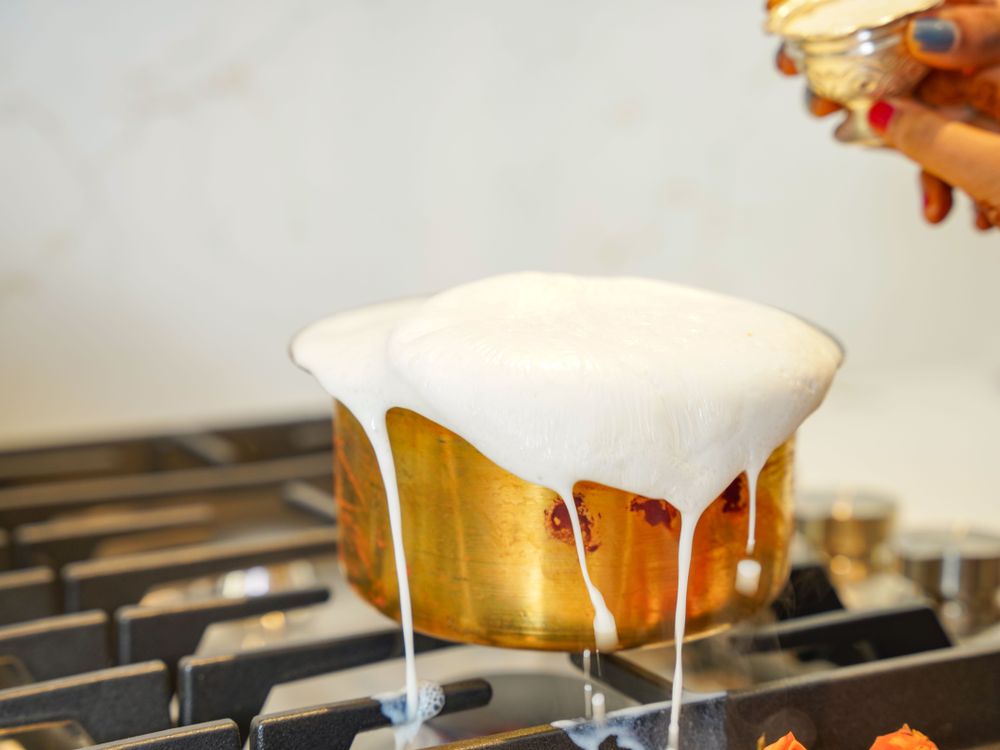
Full-fat milk, simmered down to about half.
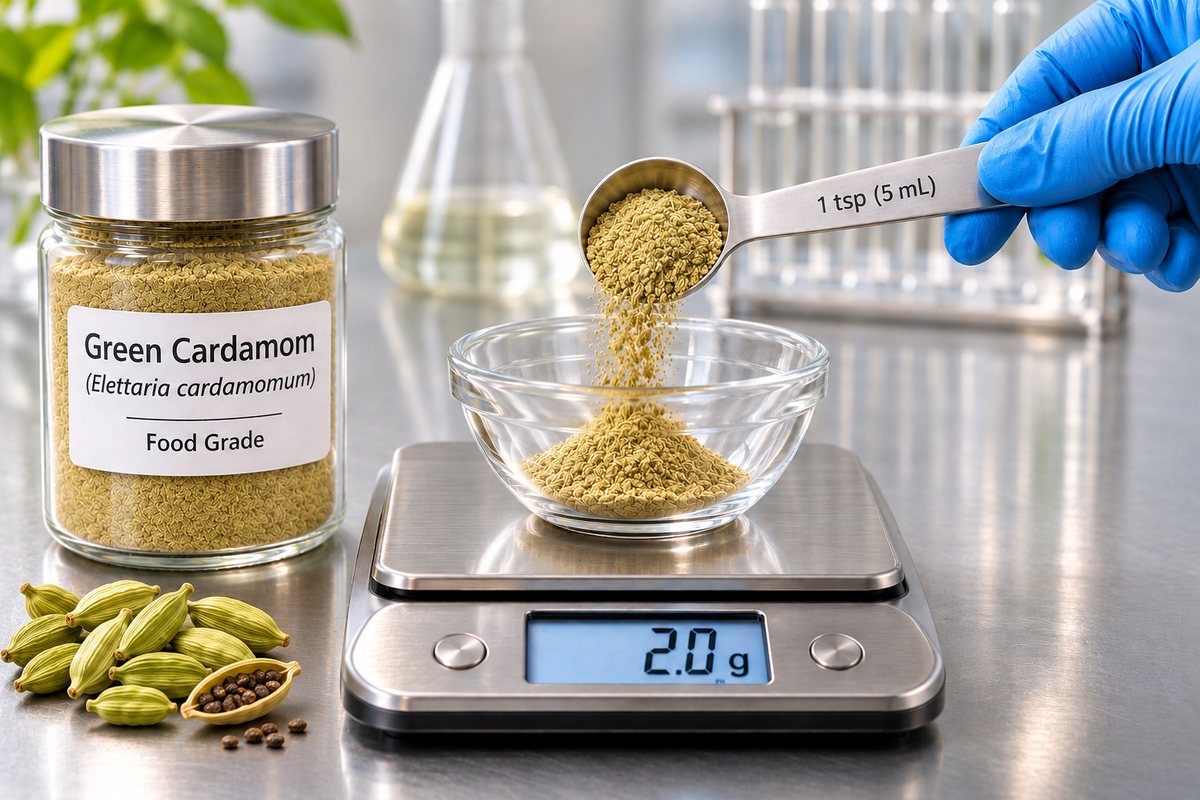
Green cardamom pods, lightly crushed.
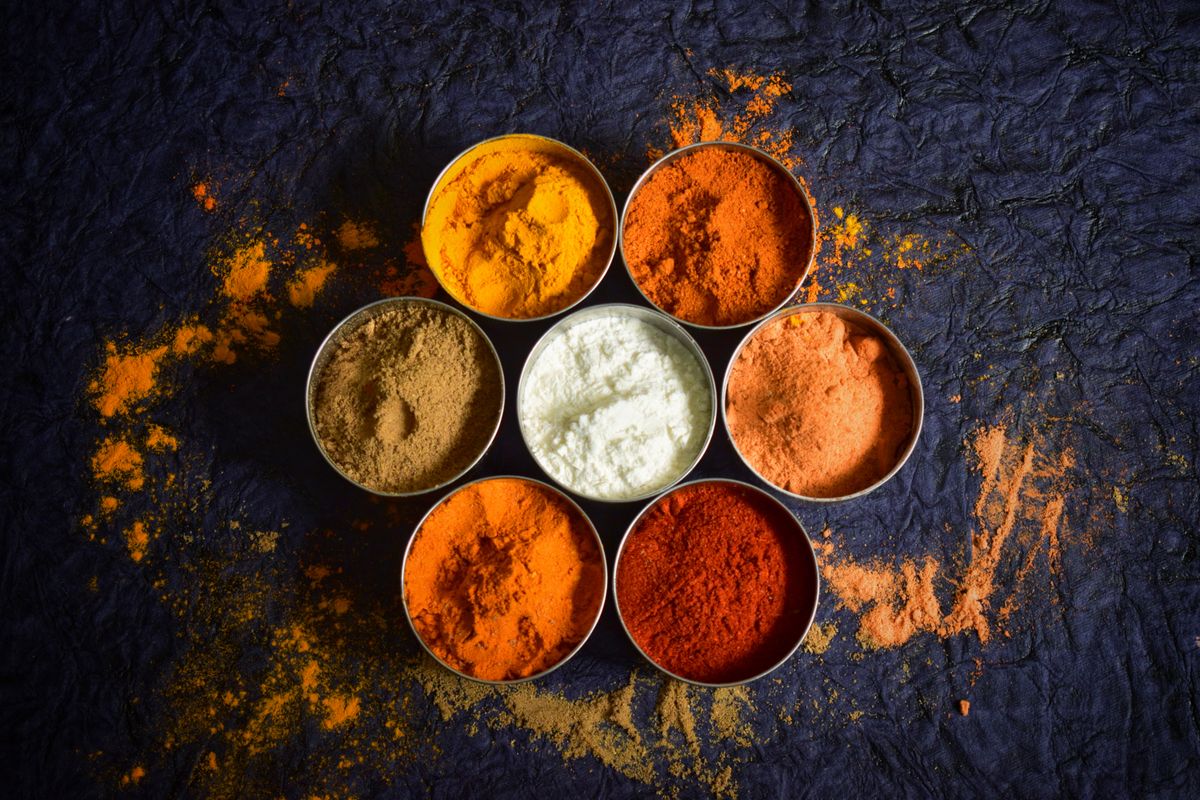
Kewra water is a floral screwpine essence sold in small bottles; saffron threads are soaked in warm milk.
Restaurant cooks do these things by habit. Here’s what each step is actually doing to the food, so you can cook by understanding instead of guesswork.
Rinse the drained paneer thoroughly with cold water.
Leftover vinegar makes the discs taste sour and tightens the curd, so it’s harder to knead smooth. Rinsing also cools the curds quickly so they stay soft.
Hang the paneer until it’s moist but no longer dripping.
Moisture is the balance point. Too wet, and the discs are too soft to hold together and fall apart in the boiling water. Too dry, and they crack while shaping and turn dense and rubbery instead of spongy.
Knead until the paneer is completely smooth and slightly greasy.
Kneading breaks the curd into very fine particles and spreads the fat evenly, so the protein forms one smooth, cohesive dough. Grainy spots and cracks become weak points where a disc splits as it expands in the boiling water.
If the dough feels too soft to shape, knead in 1 tsp fine semolina or flour.
Half-and-half has several times the fat of milk, and that fat sits between the casein proteins, so the paneer is softer and richer. That gives melt-in-the-mouth rasmalai, but a very soft dough can break while boiling, and a teaspoon of semolina or flour acts as a binder.
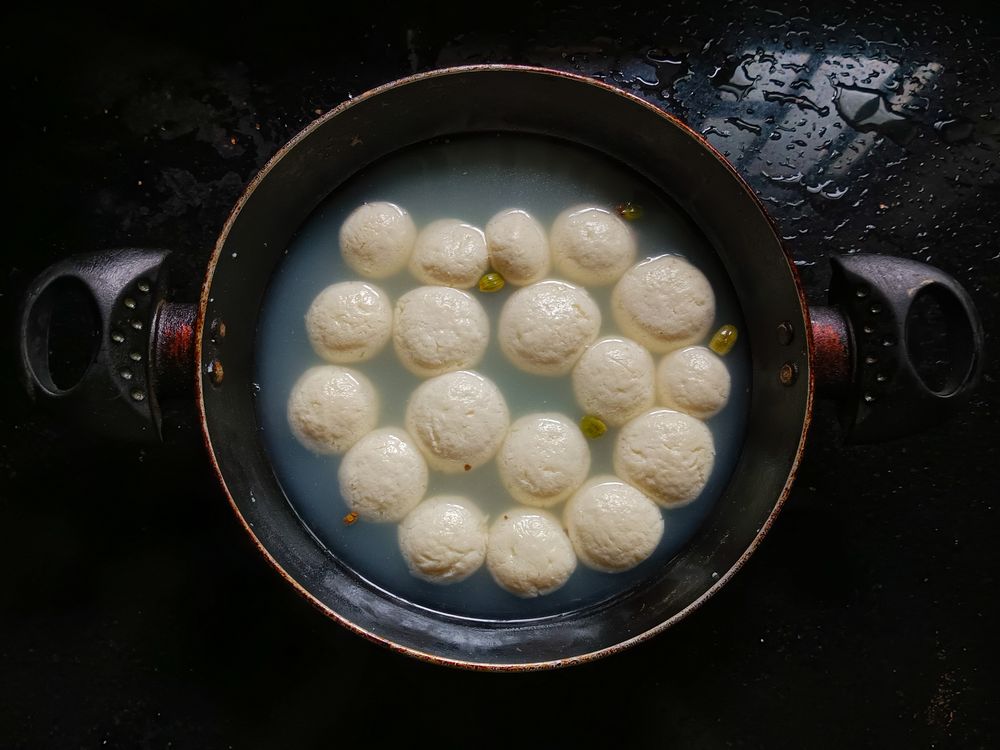
Boil the discs with the lid on for 10 minutes.
As the discs heat, water and tiny pockets of air inside turn to vapor and expand, and the protein network stretches around them like a sponge. A covered pot keeps the water at a full boil and the space above it full of steam, so the discs heat evenly and puff all the way through.
Let the discs cool in the covered pot before taking them out.
If hot discs meet cool air suddenly, the vapor inside condenses before the soft protein network has firmed up, and they shrink and turn dense. Cooling slowly under the lid lets the structure set while it’s still expanded.
Gently press out the water before the discs go into the syrup.
The discs work like sponges. Full of plain water, they can’t take up much syrup; pressed out, they soak it in and are sweetened all the way through. A light syrup matters too: a very concentrated one would pull water out of the discs by osmosis and make them shrink and toughen.
Simmer the milk to about half its volume, stirring and scraping the bottom.
Evaporating water concentrates the milk’s sugar, protein and fat, so the ras tastes richer and creamier and clings to the discs. Long simmering also browns the milk sugars and proteins slightly, adding a faint caramel note. Scraping the bottom keeps the proteins from scorching.
Chill for at least 4 hours before serving.
As it chills, the discs keep exchanging liquid with the milk and take on its flavor, and the ras thickens slightly. Rasmalai is a fresh dairy dessert, so keep it refrigerated.
Exact amounts and timings are in the recipe card below.
A rich, special-occasion dessert built almost entirely from dairy.
3.2 g protein per 100 calories. Estimated from the ingredients with USDA FoodData Central values.
Gym-friendly tip: Treat-sized. For more protein, serve with a cup of milk (+8 g) or Greek yogurt.
Fresh paneer and milk make rasmalai a dessert with real protein and calcium, unlike most sweets.
General nutrition information, not medical advice. Numbers marked “estimated” are calculated from the recipe’s ingredients and vary with brands and portions. If you have diabetes, heart or kidney disease, a food allergy, or are pregnant, ask your doctor or a registered dietitian how this dish fits your diet.
Health sources: Khan & Pal, Paneer production: a review (J Food Sci Technol) · NIH Office of Dietary Supplements: Calcium · Dietary Guidelines for Americans
See the full ingredient health guide: benefits, traditional roots and the science →
This recipe is: it’s milk, chhena, sugar and nuts. Some recipes add flour or semolina to the chhena, and packaged versions may too, so check.
Cold. It’s chilled for several hours so the discs soak up the milk.
The paneer was too dry or over-kneaded, it boiled too long, or it soaked in a very heavy syrup. Keep the paneer moist, boil for 10 minutes, and use the light syrup here.
The lid came off while they were hot. Let them cool in the covered pot.
Yes. Whole-milk paneer is firmer and a little easier to shape; the rasmalai is slightly less rich. See the paneer method on the paneer bhurji page.
Not for rasmalai. Packaged, pressed paneer is too firm and dry to knead into a smooth dough that puffs. Freshly made paneer is the key.
Desi restaurant favorites, recreated at home and explained with food science: every recipe is tested in a home kitchen and comes with the why behind each step.
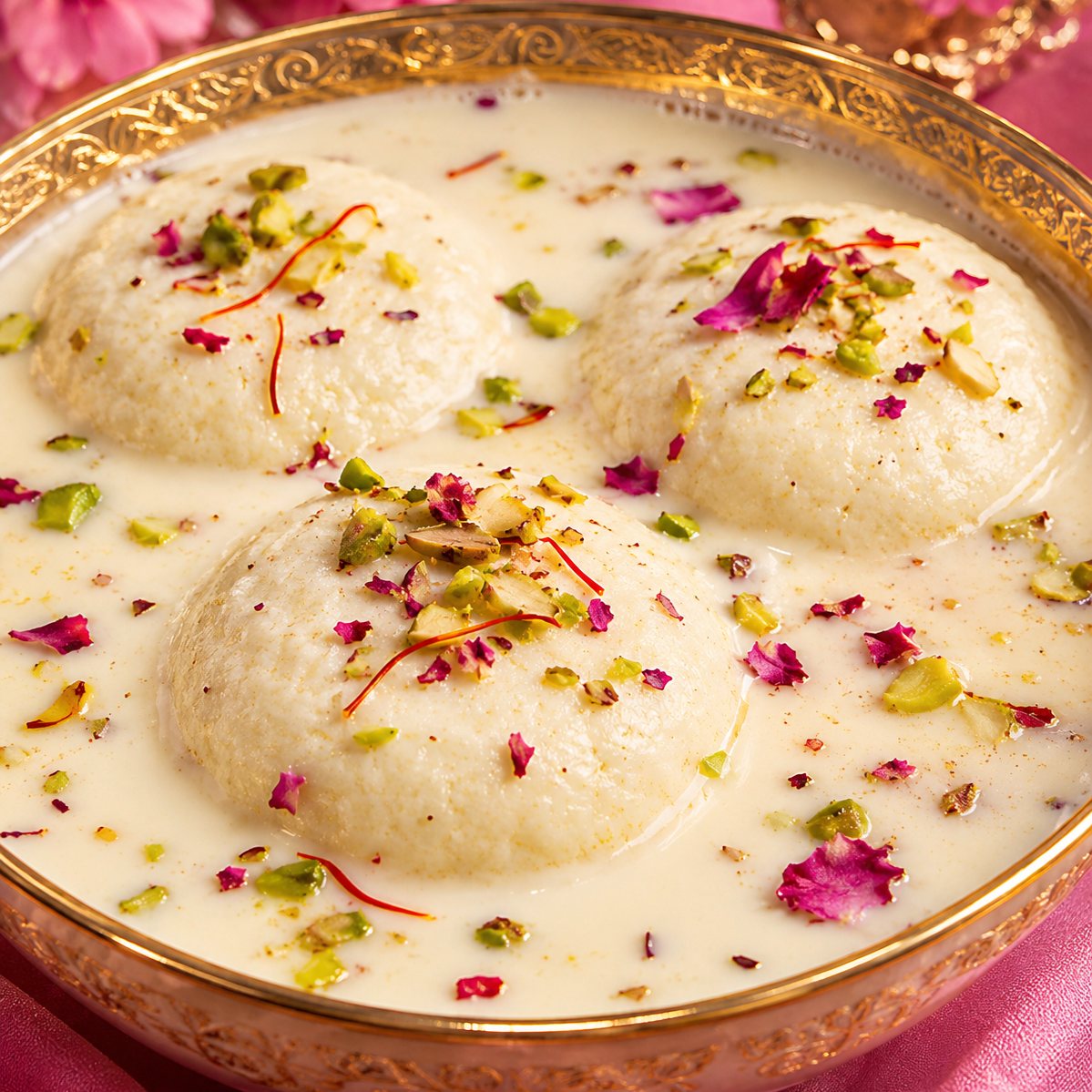
Soft, spongy homemade rasmalai: quick Instant Pot paneer from half-and-half, kneaded into discs, boiled covered, soaked in cardamom syrup and finished in thickened milk. With the food science of why they puff and how to keep them from deflating.
Make the paneer on the stove instead; everything else stays the same.
How much to make, based on 4 people eating it once a day. One batch of this recipe makes about 12 pieces.
Why only a few days in the fridge? Refrigeration slows bacteria but doesn’t stop them; some, like Listeria, can still grow at fridge temperatures, which is why food-safety agencies set cooked leftovers at 3–4 days. Freezing at 0°F stops growth completely, so frozen portions stay safe indefinitely; the freezer times above are for best taste and texture.
Food-safety guidance: USDA, Leftovers and Food Safety · FoodSafety.gov storage chart