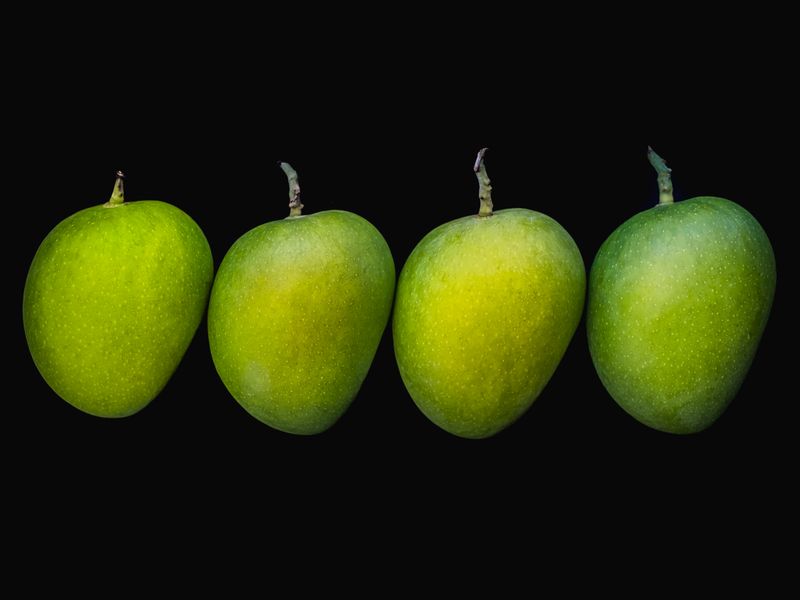
Raw green mango
कच्चा आम · कैरीکچا آم · کیری
kaccā ām · kairī
Hard, unripe green mangoes with sour, pale flesh. Choose firm fruit with no yellow patches or soft spots.
Its job: The base. Its sourness and firm flesh hold up through weeks of curing.
Also called Raw Mango Pickle · Kairi ka Achaar · आम का अचार · آم کا اچار
Sour raw mangoes coated in coarsely ground roasted spices, gently warmed whole seeds, salt, vinegar and mustard oil, then left to mature for about a week. Every step has a job: flavor, texture or keeping the jar safe.
Aam ka achaar is Punjabi raw mango pickle: green mango pieces cured with salt, mustard oil and roasted pickling spices (fennel, fenugreek, nigella and mustard). It’s made in early summer when raw mangoes are in season and keeps for months.
 From the MedRise Food Science kitchenPublished
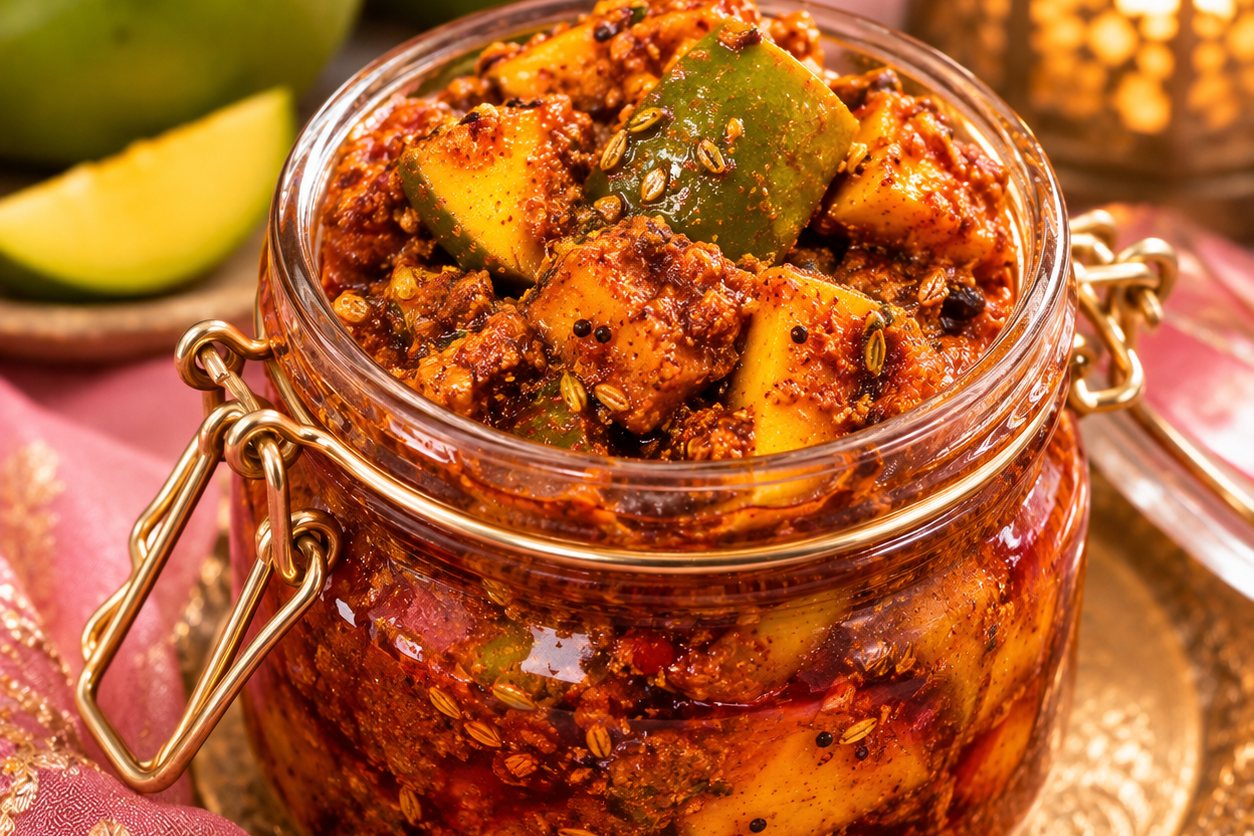
Achaar is the Desi word for pickle, and aam ka achaar, raw mango pickle, is the one found in almost every Punjabi kitchen. Unlike a Western vinegar pickle, it is preserved mainly by salt and oil: hard, sour green mangoes are coated in a thick spice paste, packed into a jar under mustard oil and left to cure until the pieces turn tender and tangy.
This version uses two spice treatments. Fennel, coriander and cumin are dry-roasted and coarsely ground for warmth and body. Fenugreek, nigella and split mustard seeds are only warmed and stay whole. The split mustard seeds (rai kuria) give the pickle its classic yellow, speckled look as it sits.
Here’s every ingredient, with its English, Hindi and Urdu names. Two groups of spices are treated differently, and the science section explains why.
Hard, unripe green mangoes with sour, pale flesh. Choose firm fruit with no yellow patches or soft spots.
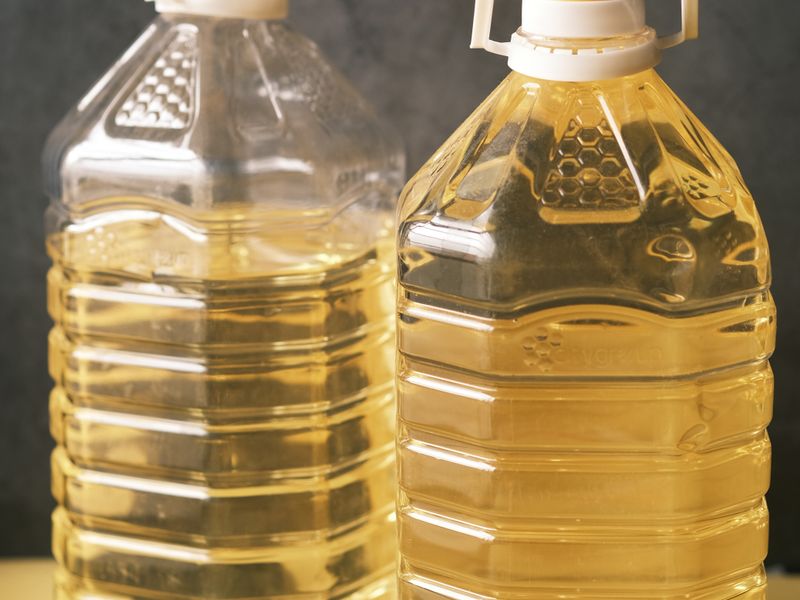
Pressed mustard-seed oil, golden and pungent. In the US it is usually labeled “for external use only”; see the note in the recipe card.
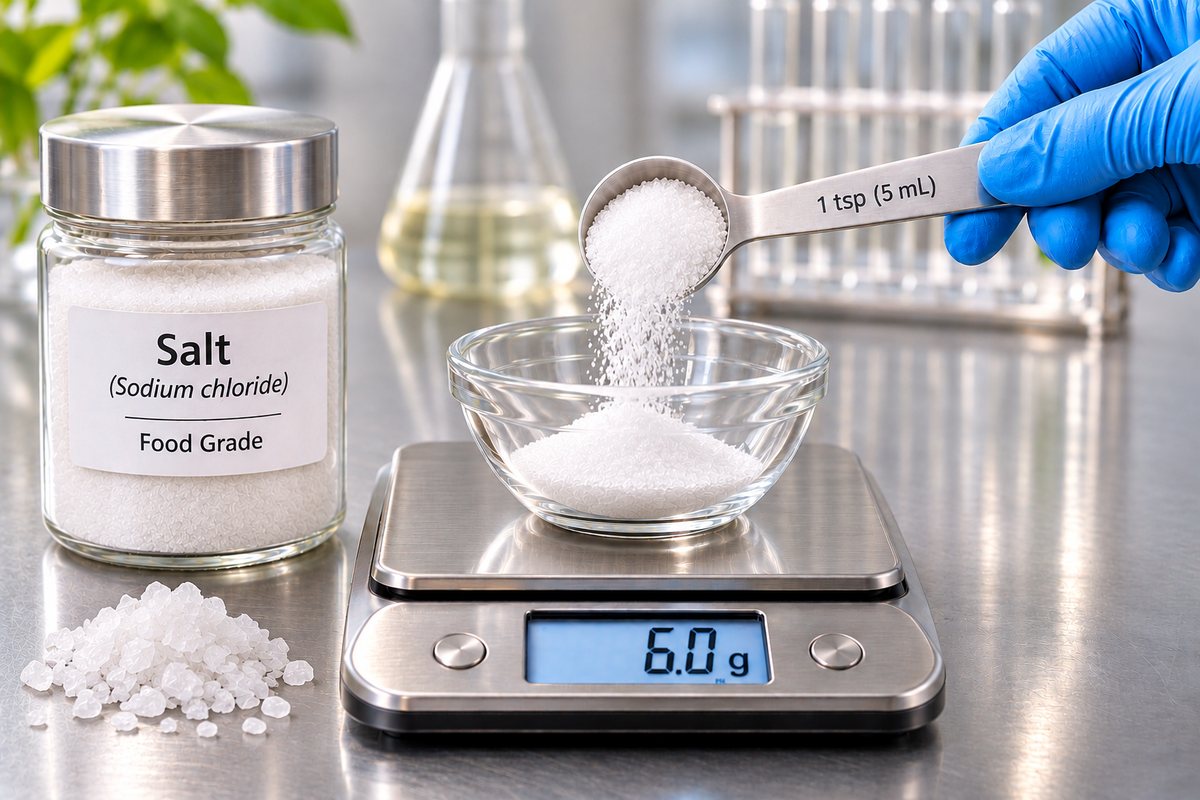
Non-iodized salt, such as sea salt, rock salt or pickling salt, is traditional.
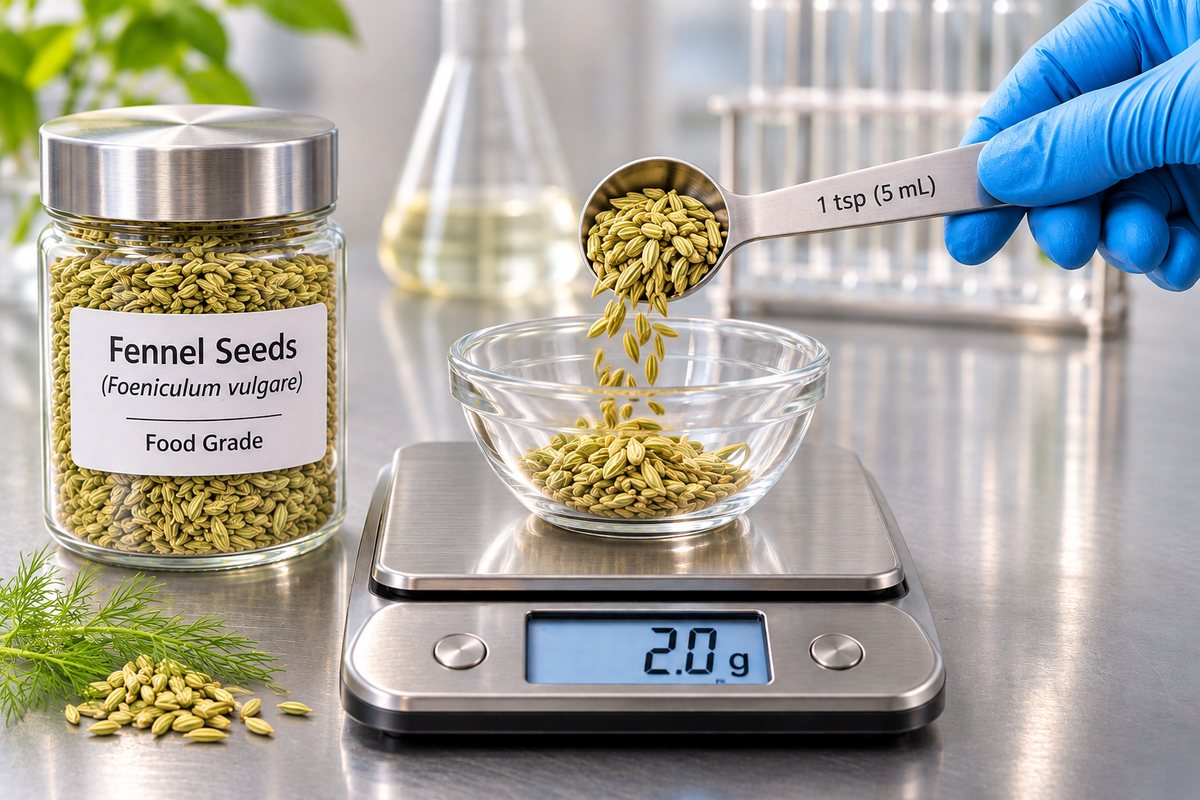
Green-tan, ridged oval seeds.
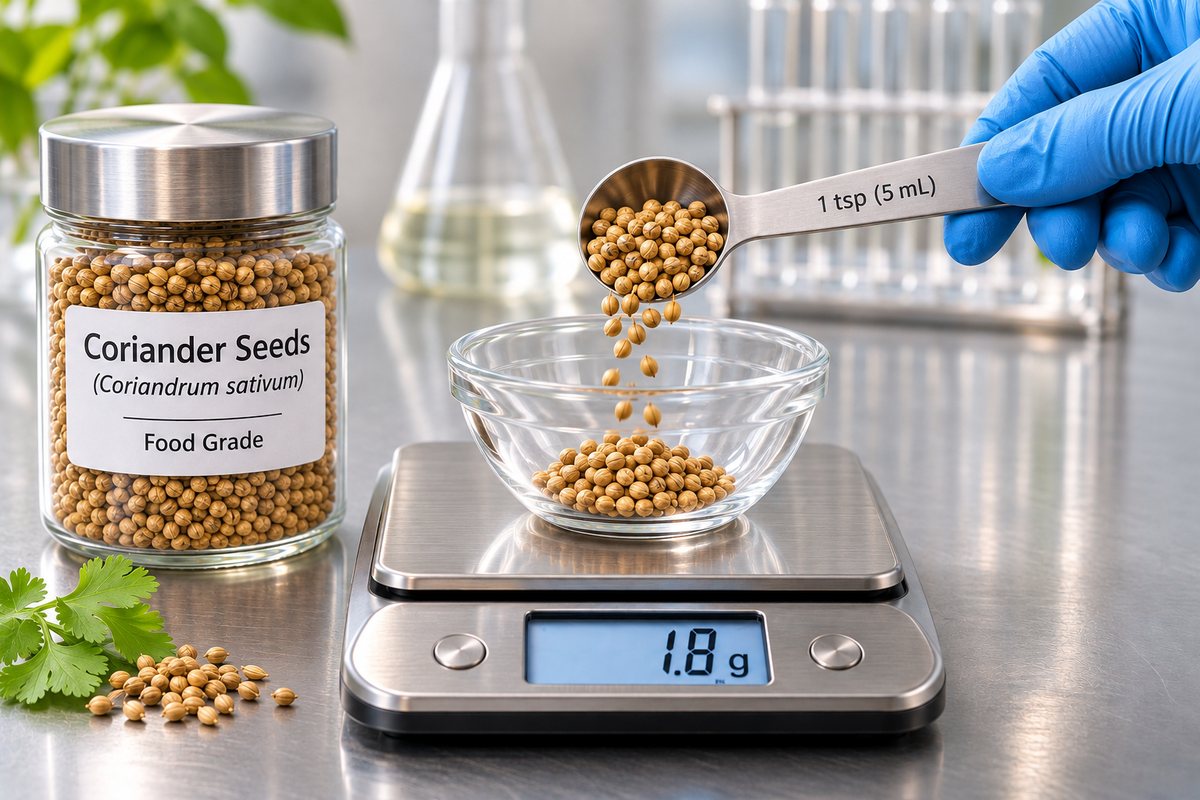
Small, round, tan seeds.
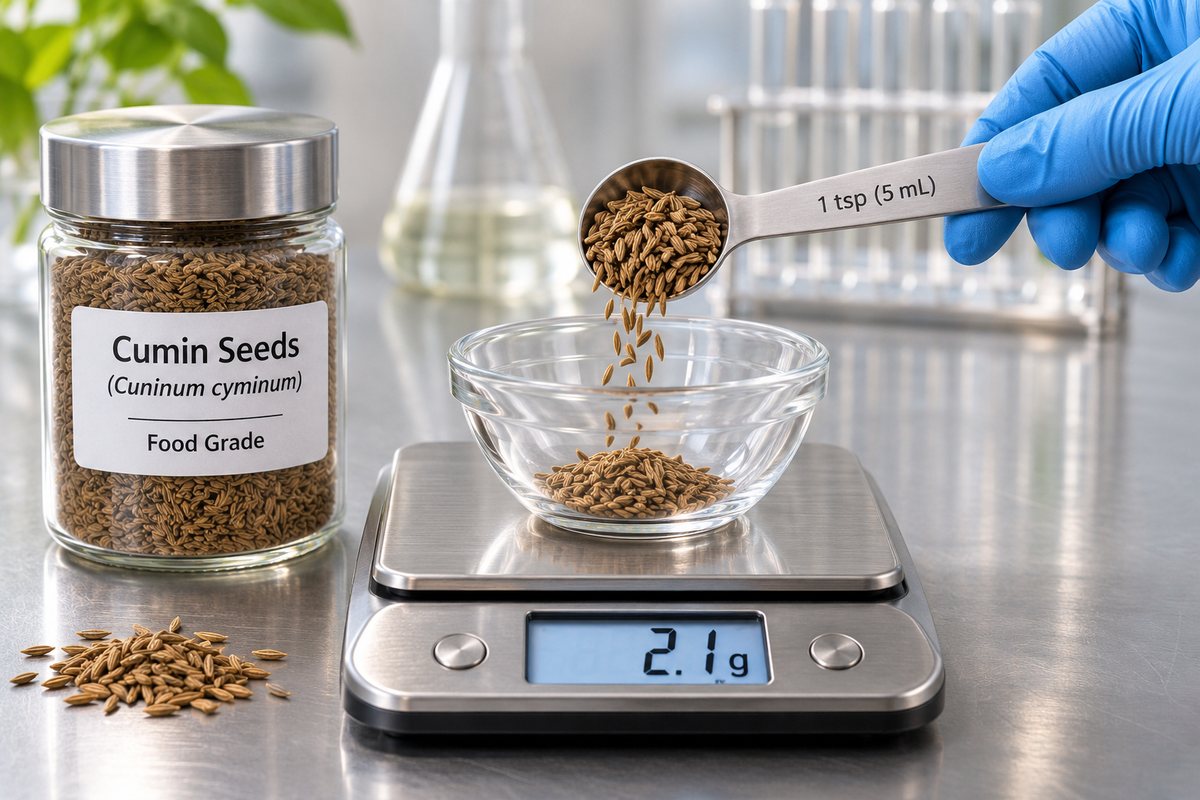
Thin, ridged brown seeds.
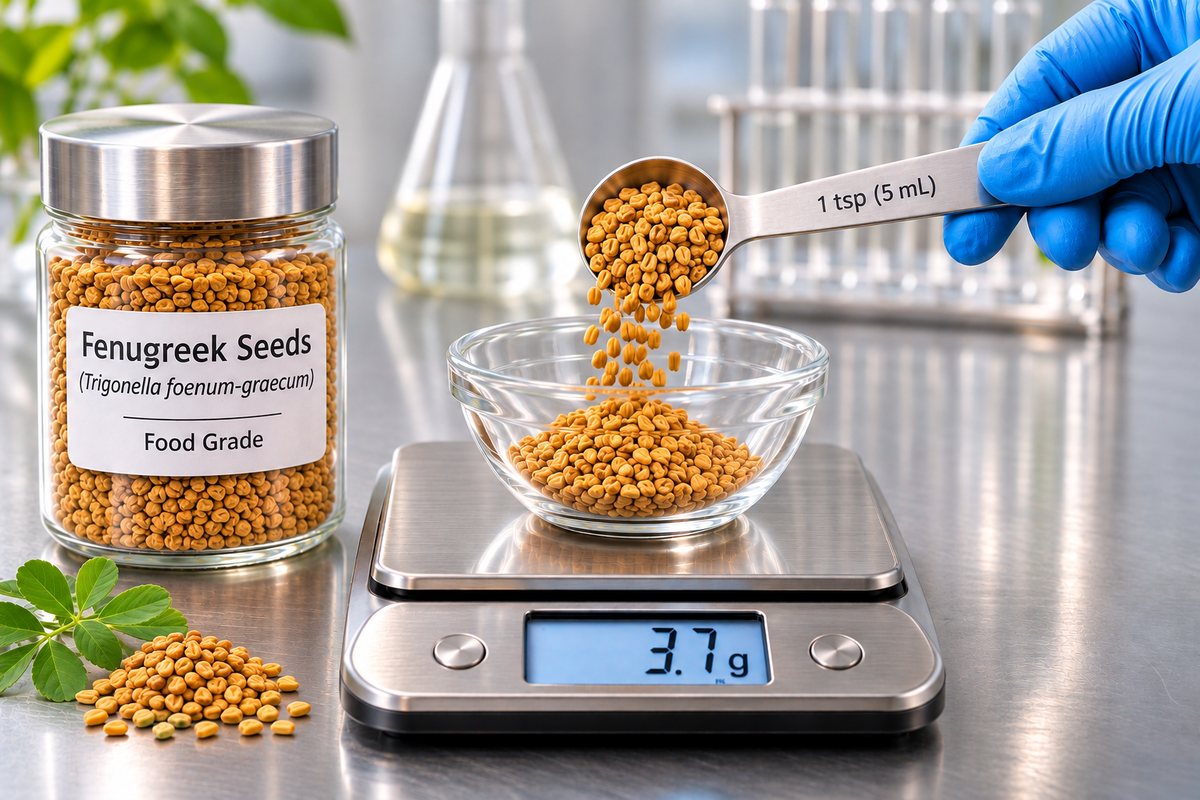
Small, hard, yellow-brown seeds with a bitter, maple-like aroma.
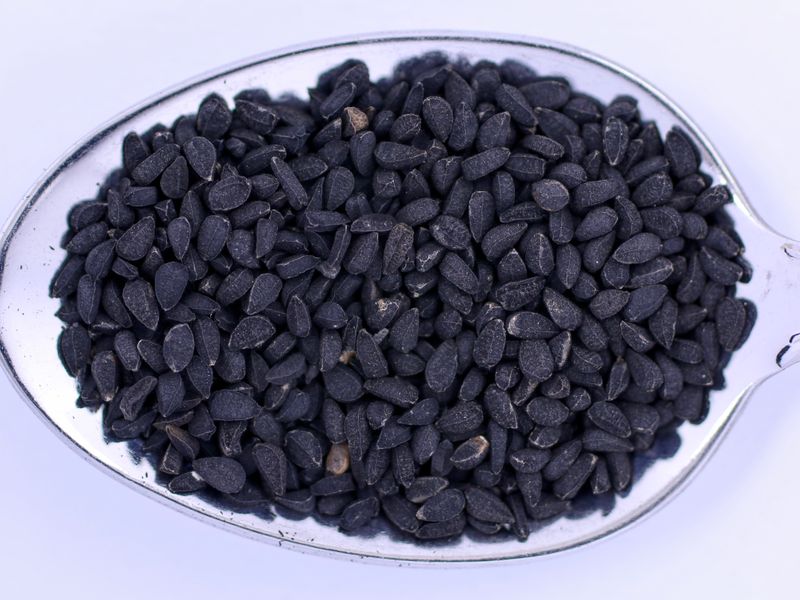
Small, matte-black, teardrop-shaped seeds, sometimes mislabeled “onion seeds.”
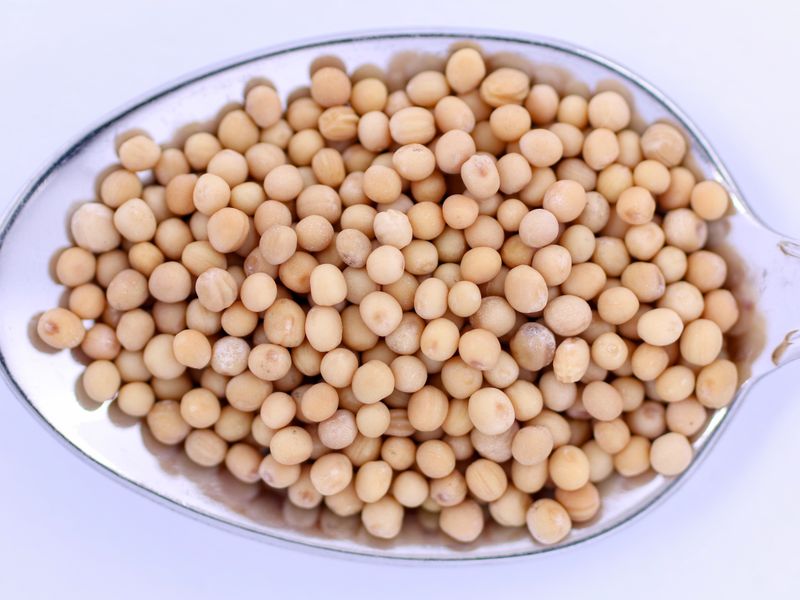
Mustard seeds with the husk removed and split into small yellow pieces, sold as rai kuria or rai dal in Desi grocery stores.
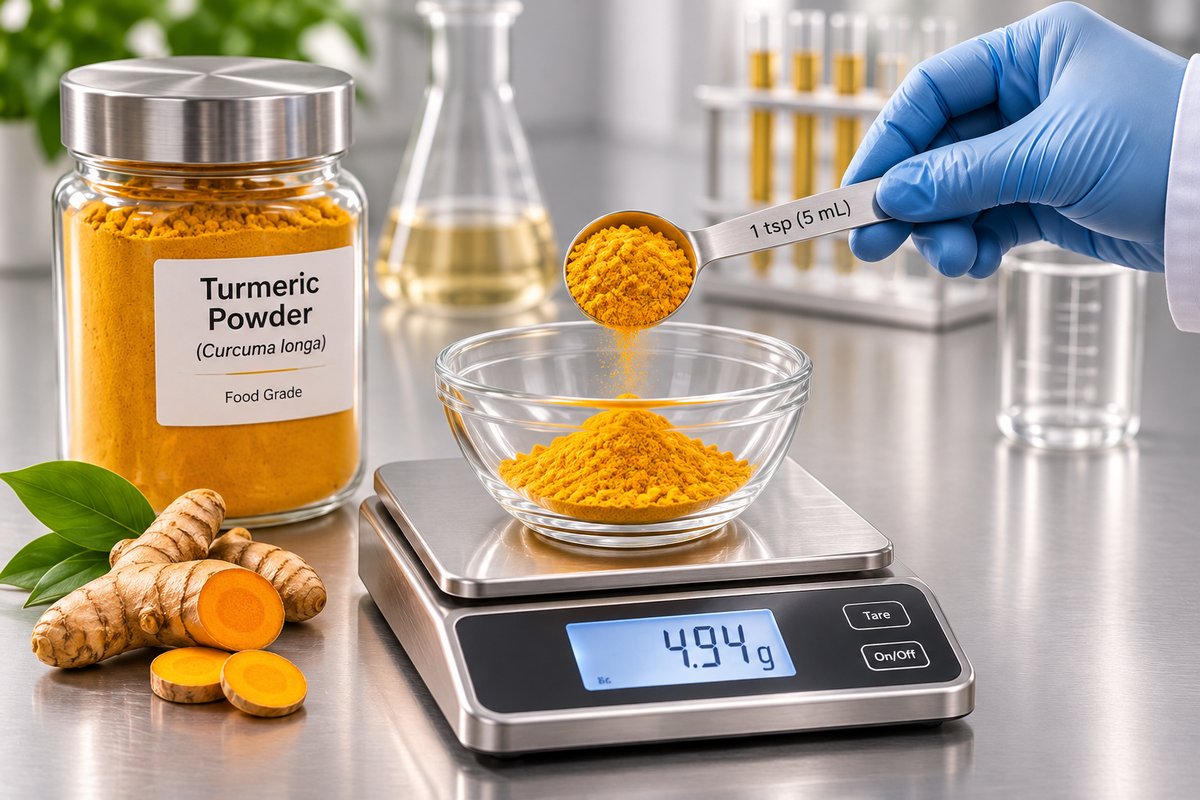
Ground turmeric root.
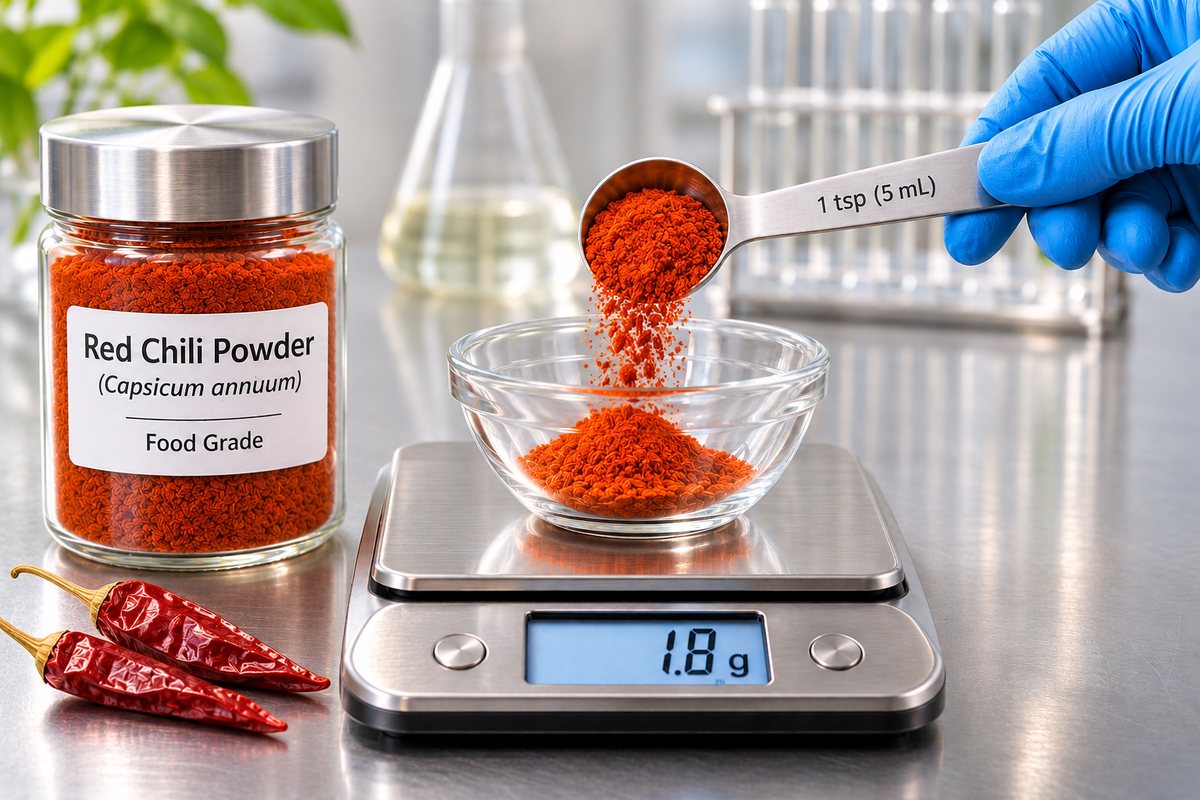
Ground dried red chilies. Kashmiri chili gives color with less heat.
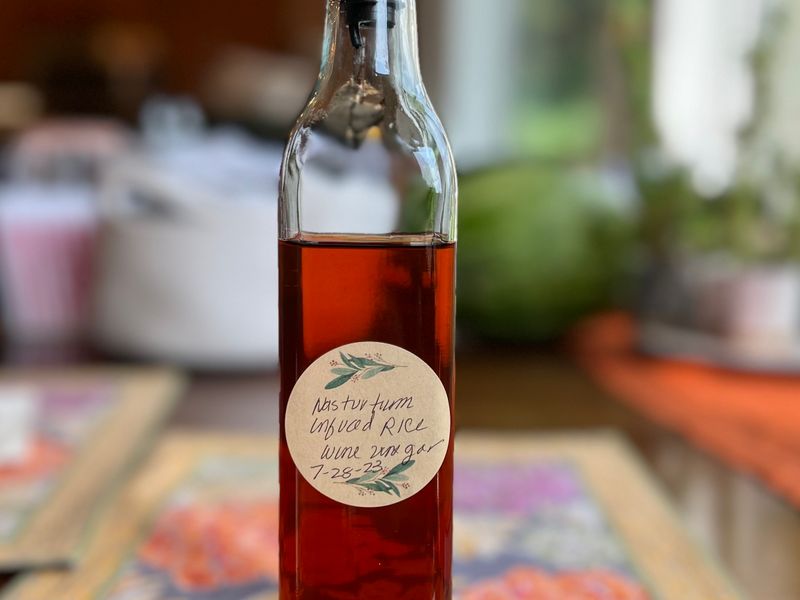
Plain white or malt vinegar.
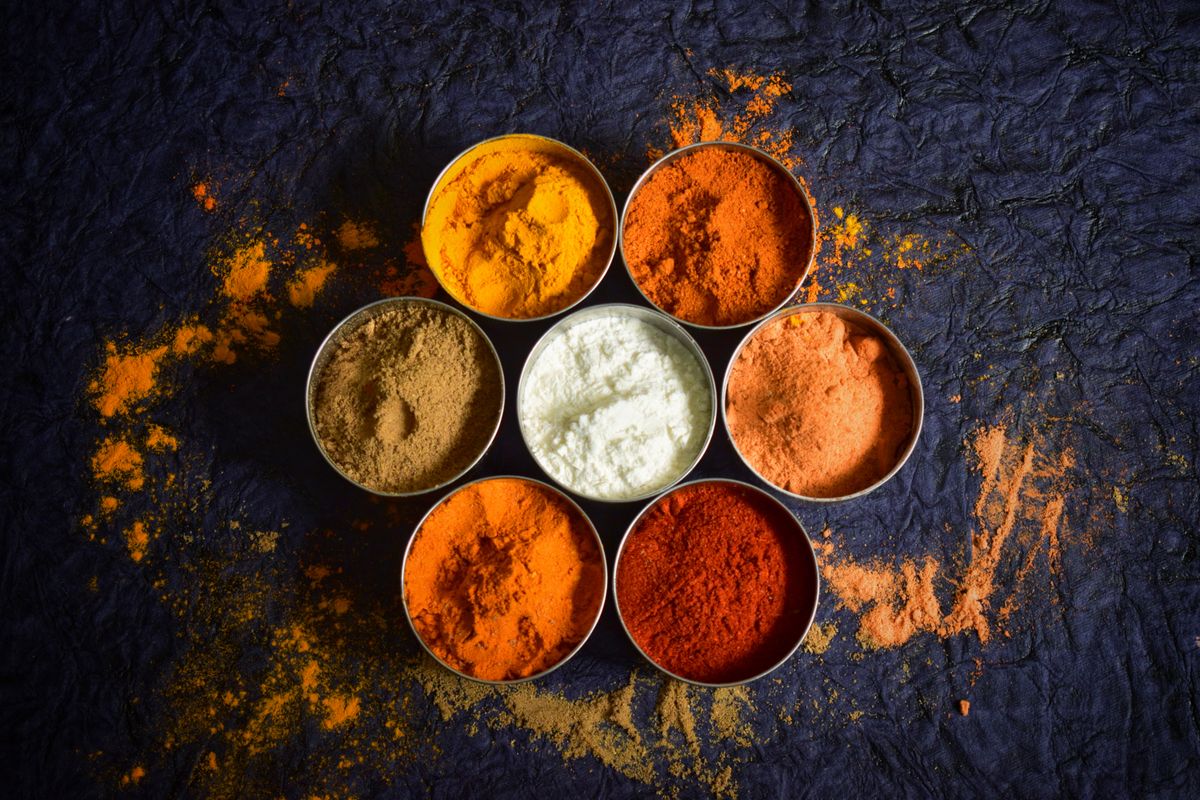
A ready-made ground pickle spice blend from a Desi grocery store.
Grow it yourself: Cilantro (dhania), Methi (fenugreek)
Restaurant cooks do these things by habit. Here’s what each step is actually doing to the food, so you can cook by understanding instead of guesswork.
Wash the mangoes, then dry them and every tool completely before you start.
Mold and yeasts need free water. The salt and oil in a pickle keep water tied up, but stray drops on a mango piece or a wet spoon create a diluted pocket where the salt is too weak to protect it. That’s where mold usually starts, so drying everything is the single most important step for a pickle that keeps.
Dry-roast the fennel, coriander and cumin until fragrant, then grind coarsely. Only warm the fenugreek, nigella and split mustard.
Roasting drives browning reactions that make the first three toasty and deep, and dries them so they grind easily. The other three have reasons to stay gentle. Mustard’s bite is made by an enzyme, myrosinase, that turns compounds in the seed into sharp-tasting isothiocyanates once the seed is cracked and moistened. Heat damages that enzyme, which is exactly how food makers produce mild mustard, so keeping the split mustard only warm lets its bite develop in the jar. Nigella and fenugreek are small and scorch quickly, and burnt fenugreek turns harshly bitter. Gentle warmth just drives off moisture and wakes up their aroma.
Grind the roasted spices to a coarse powder.
Coarse pieces give the pickle texture and release their aroma gradually. A fine powder turns the oil muddy and pasty.
Mix in 100 g of salt with the spices and keep 15 g in reserve.
Salt pulls water out of the mango cells by osmosis. That water dissolves the salt and spices into a concentrated brine that coats every piece and ties up the water that spoilage microbes would need; food scientists call this lowering the water activity. 115 g of salt for 1 kg of mango is about 11% of the mango’s weight. Traditional recipes range roughly from 10% to 20%, so this is on the less salty end, which makes dry handling and an oil seal even more important.
Stir the vinegar in with the salt.
Raw mango is already very sour. Vinegar makes the pickle more acidic still, and most spoilage bacteria grow poorly in acidic conditions, so salt and acid together protect better than either alone. It also keeps the pickle tangy as the mango mellows.
Heat the oil until it just smokes, turn off the heat and let it cool completely.
Raw mustard oil is fiercely pungent, largely from volatile isothiocyanates, the same family of compounds behind wasabi and horseradish. Heating it to smoking drives off much of that raw harshness and leaves a rounder, nutty flavor. It must cool completely before it touches the mango: hot oil would start cooking the pieces and soften them before they cure.
Make sure the oil coats every piece, and keep a layer over the top in the jar.
Mold needs oxygen to grow on a surface. A layer of oil cuts the mango off from the air, slows the oxidation that dulls color and flavor, and keeps the spices clinging to every piece.
Leave the jar to mature for about a week, stirring daily with a dry spoon, in the sun for 2–3 hours a day if you can.
Curing is slow chemistry. Salt and acid gradually break down the mango’s firm cell walls so the pieces turn tender, and the spices’ flavors move into the oil and fruit. Warmth speeds every one of these reactions, which is why pickles traditionally sit in the sun. Stirring spreads the brine so the top pieces don’t dry out.
Exact amounts and timings are in the recipe card below.
Achaar is a condiment: a spoonful brings a lot of flavor, and so does a lot of salt.
A spoonful adds sourness, heat and aroma to plain dal, rice or roti, which makes simple, fiber-rich meals more satisfying.
Turmeric, fenugreek, fennel and nigella are traditional digestive spices, but there’s little evidence for health effects from the small amounts in a pickle.
General nutrition information, not medical advice. Numbers marked “estimated” are calculated from the recipe’s ingredients and vary with brands and portions. If you have diabetes, heart or kidney disease, a food allergy, or are pregnant, ask your doctor or a registered dietitian how this dish fits your diet.
Health sources: Dietary Guidelines for Americans · FDA Import Alert 26-04: expressed mustard oil · NIH NCCIH: Turmeric · NIH NCCIH: Fenugreek
See the full ingredient health guide: benefits, traditional roots and the science →
In small amounts it adds flavor and a little vitamin C, but it’s very high in salt and oil, so a spoonful with a meal is the right amount. It isn’t a source of vitamin B12 or a reliable source of probiotics.
It needs more time or warmth. Keep curing, stirring daily, and give it a few hours of sun or a warm spot. Very hard mangoes can take up to two weeks.
Almost always moisture: wet mangoes, a damp jar or spoon, or pieces sticking up above the oil. Discard a moldy batch rather than scraping off the top.
Many traditional achaars use no vinegar and rely on salt, oil and the mango’s own acidity. The vinegar adds tang and an extra margin of safety, so keep it if you’re cutting back on salt.
Split, husked mustard seeds, sold as rai kuria or rai dal. They give mango pickle its yellow, speckled look. If you can’t find them, coarsely crack yellow mustard seeds.
It’s a staple cooking oil across South Asia, but US regulators don’t allow pressed mustard oil to be sold as a cooking oil because of its erucic acid (see the note in the recipe card). Food-grade low-erucic mustard oil and canola oil avoid the issue.
Desi restaurant favorites, recreated at home and explained with food science: every recipe is tested in a home kitchen and comes with the why behind each step.
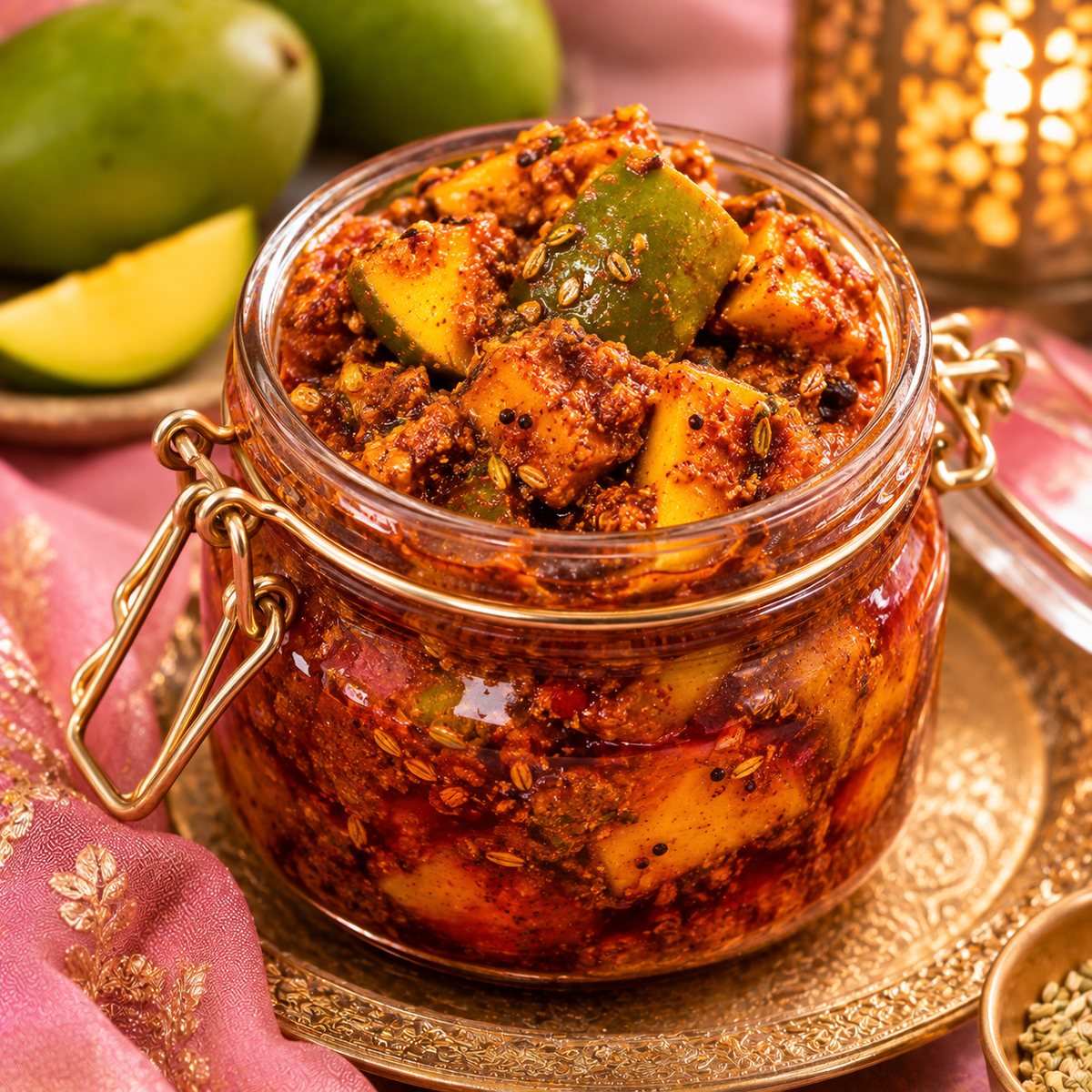
A classic North Indian raw mango pickle: mango pieces cured with salt, roasted and gently warmed spices, vinegar and smoked-then-cooled mustard oil. With the food science of what keeps the pickle safe and flavorful.
You don’t need to scale this one. A single 1 kg batch makes about 6 cups, and at a spoonful or two per plate it covers a family of four for weeks of meals. Make one jar when raw mangoes are in season, keep it under oil, and always serve it with a dry spoon.