Black chickpeas (kala chana)
Small, dark brown to black dried chickpeas, sold as “kala chana,” “black chickpeas,” “brown chickpeas” or “Bengal gram.” Not the same as black beans or black-eyed peas.
Also called Dry Kala Chana · Sukhe Kaale Chane · सूखे काले छोले · سوکھے کالے چھولے
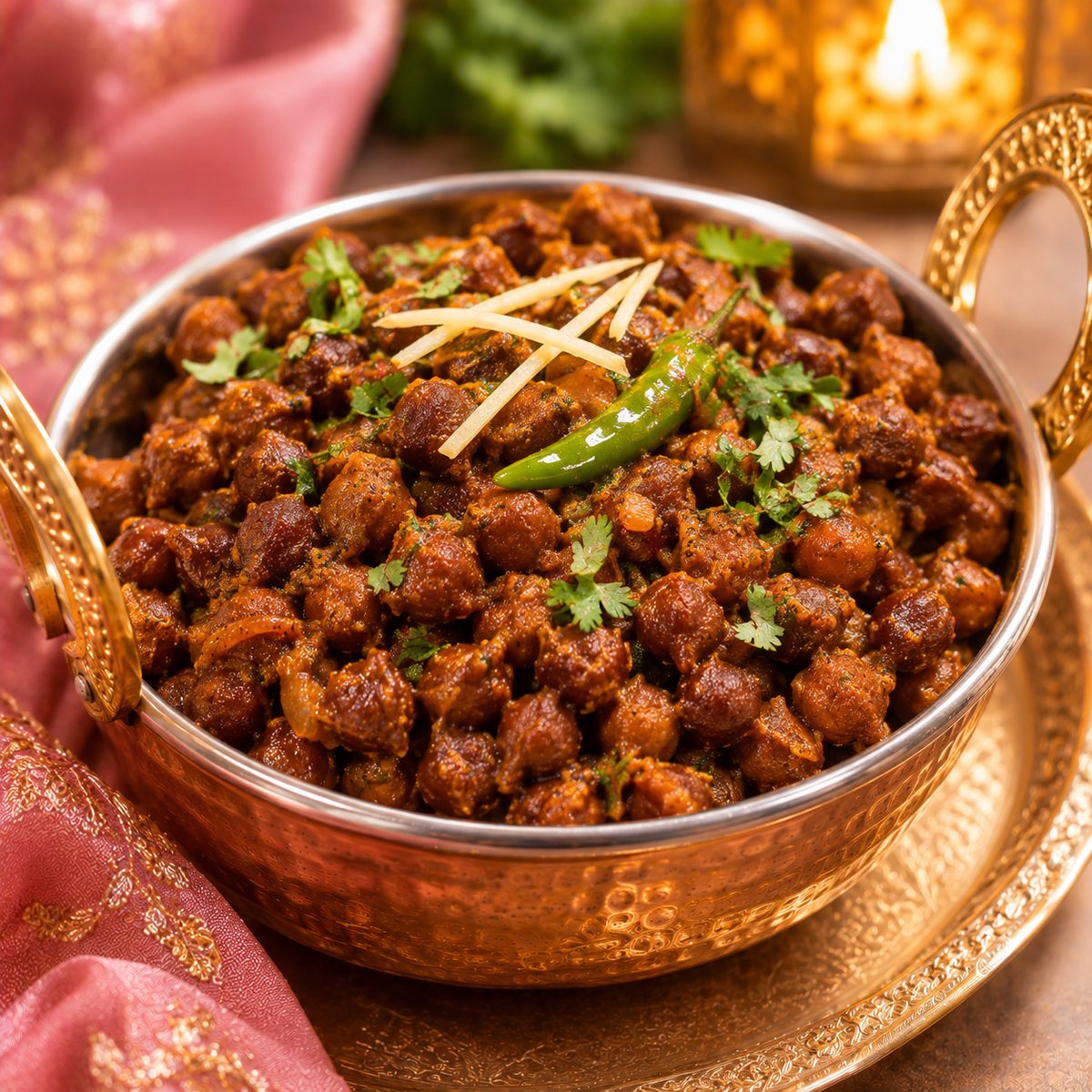
Kala chana pressure-cooked with cumin and salt until tender and dry, then tossed with garam masala, coriander powder, amchur and chaat masala. Simple, tangy, and the classic partner to sooji halwa and puri.
Sookhe kaale chole are dry-spiced black chickpeas (kala chana), pressure-cooked and tossed with cumin, amchur and chaat masala. They’re the classic Navratri prasad with puri and halwa, and a high-fiber snack any day.

Kala chana (black chickpeas, also called desi chana or Bengal gram) are the smaller, darker cousin of the white chickpeas used for chole. Their thick skin keeps them whole and gives a firm, nutty bite. Sookhe means dry: instead of a gravy, the chickpeas cook until the water is absorbed and are then tossed with dry spices.
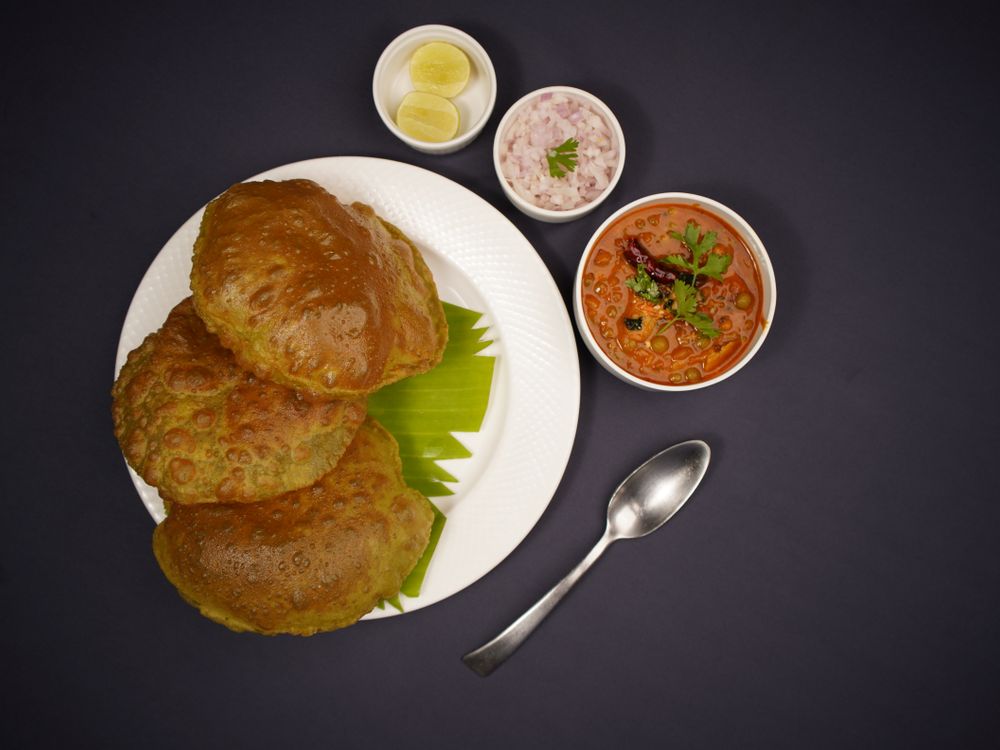
Sookhe kaale chane are famously served with sooji halwa and puri as Navratri prasad; try them with the coconut sooji halwa on this site. They also make an easy side dish or snack any day of the week.

Here’s every ingredient, with its English, Hindi and Urdu names and what it does.

Small, dark brown to black dried chickpeas, sold as “kala chana,” “black chickpeas,” “brown chickpeas” or “Bengal gram.” Not the same as black beans or black-eyed peas.

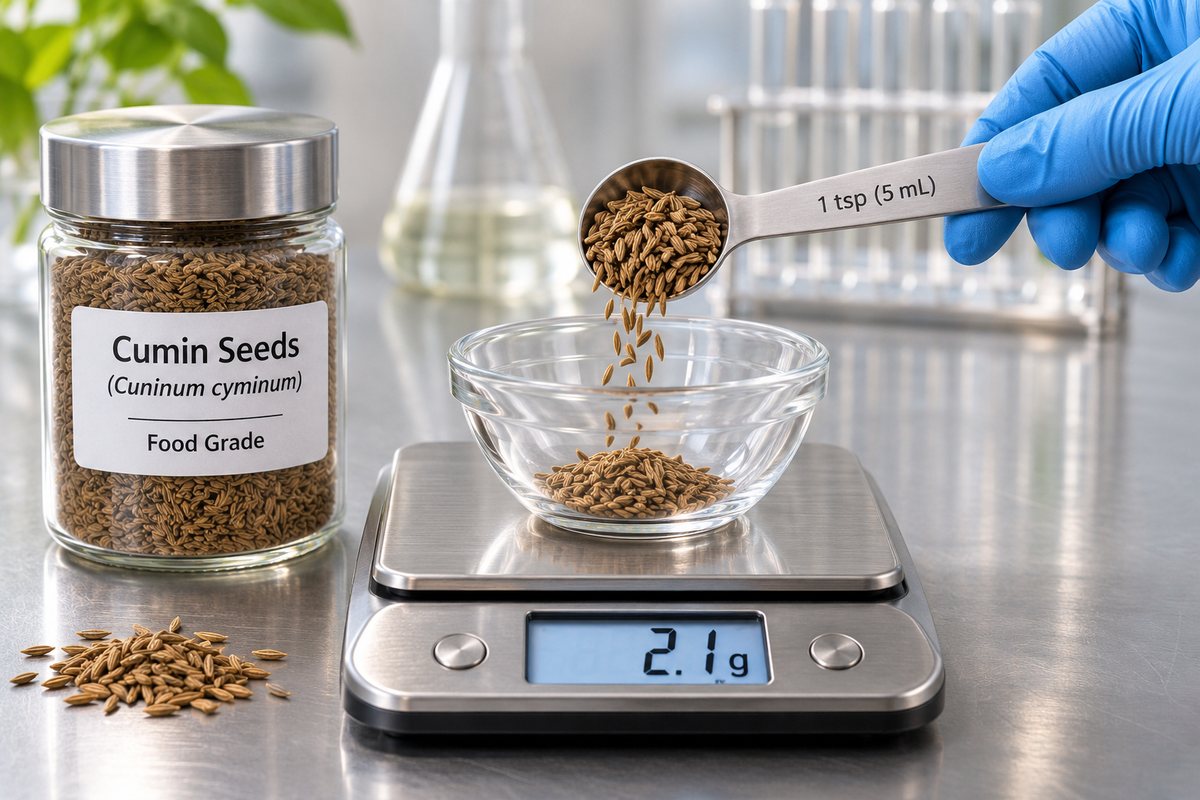
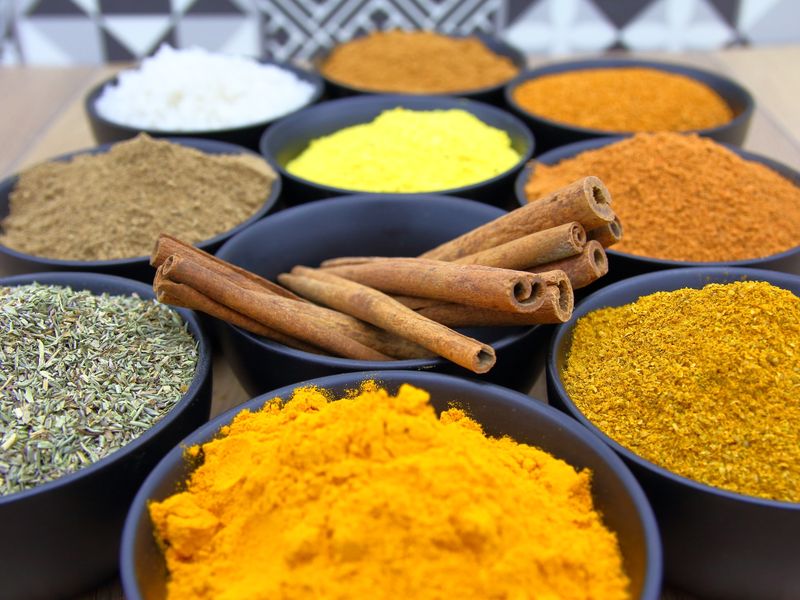
Thin, ridged brown seeds.

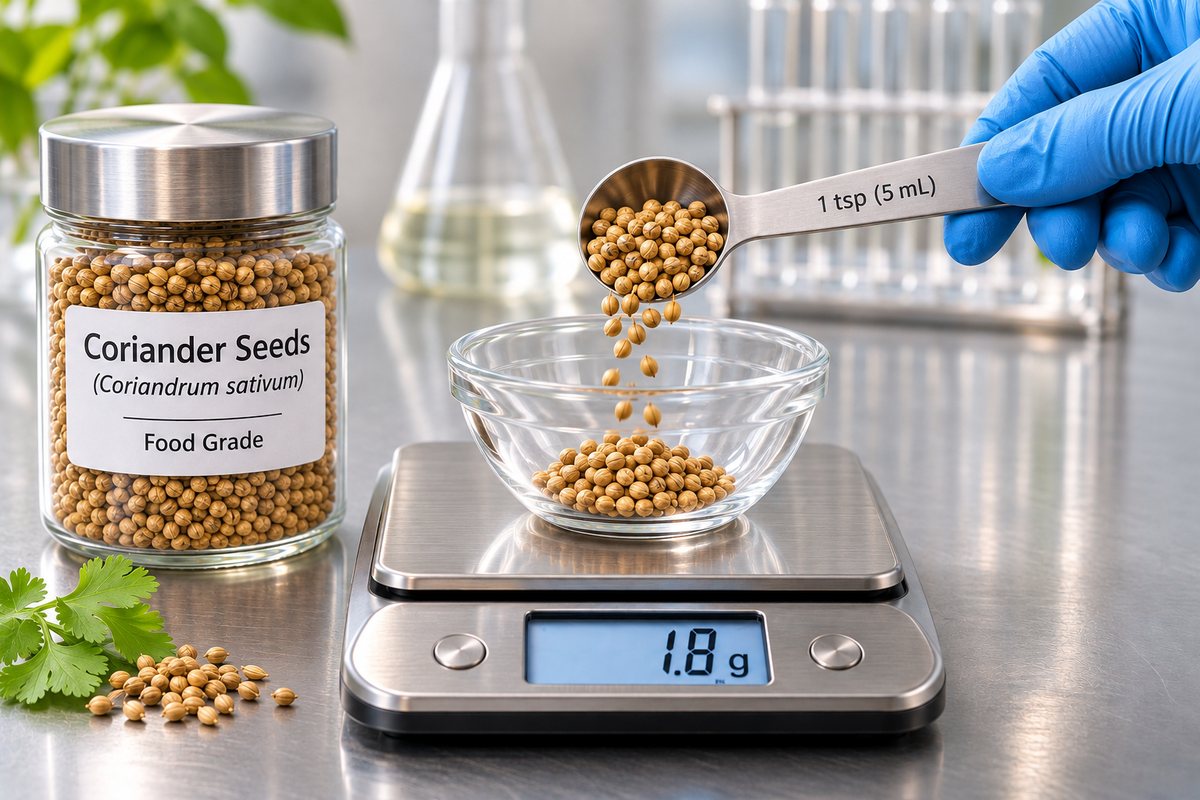
Ground dried coriander seeds, sold as “coriander powder” or “dhania powder.”

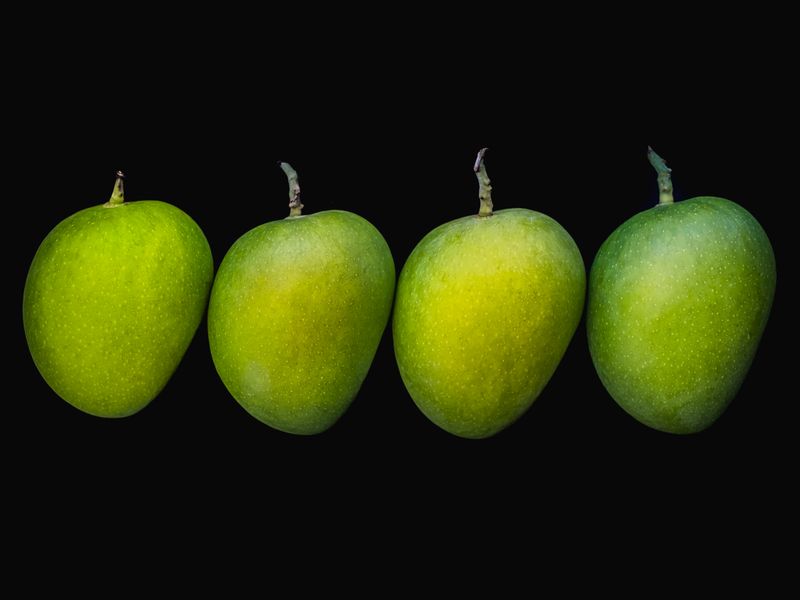
A tan powder made from dried unripe mango, sold as “amchur” or “dry mango powder.”

A tangy ready-made spice blend. It usually contains amchur, cumin and black salt (kala namak).

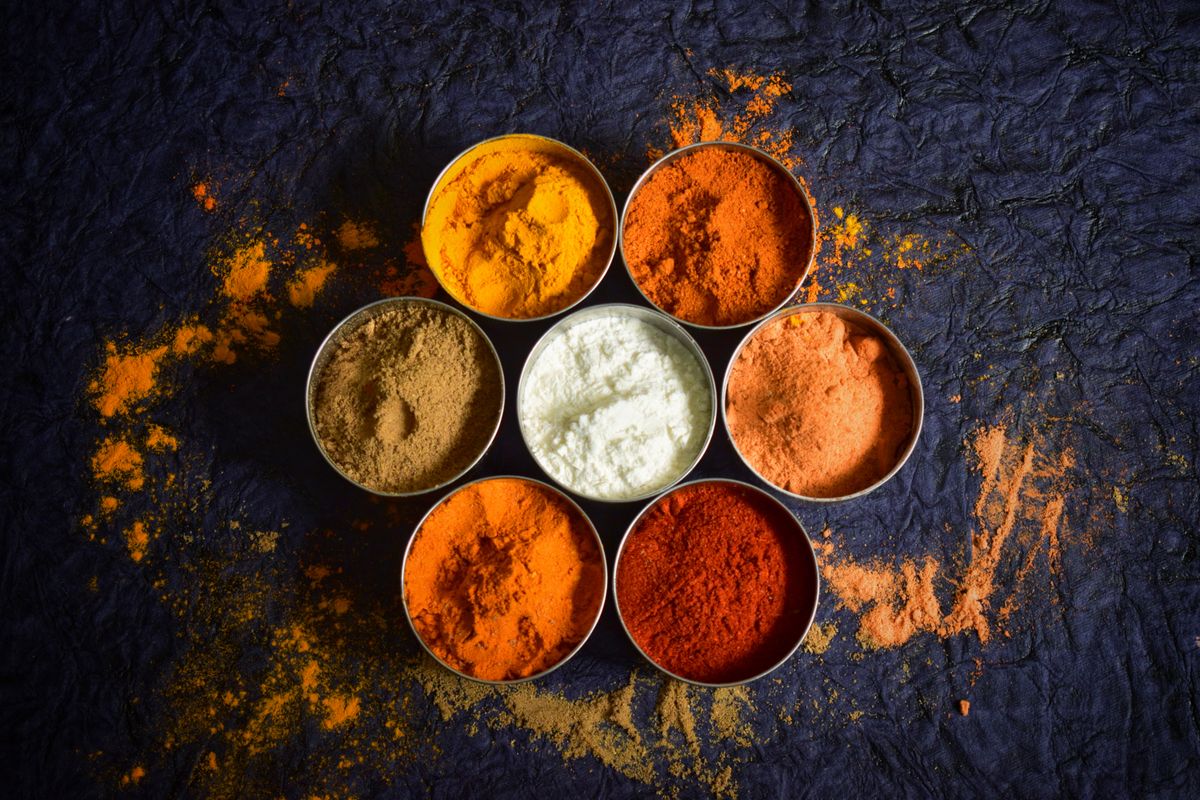
A ground blend of warming spices such as cinnamon, cardamom, cloves and black pepper.

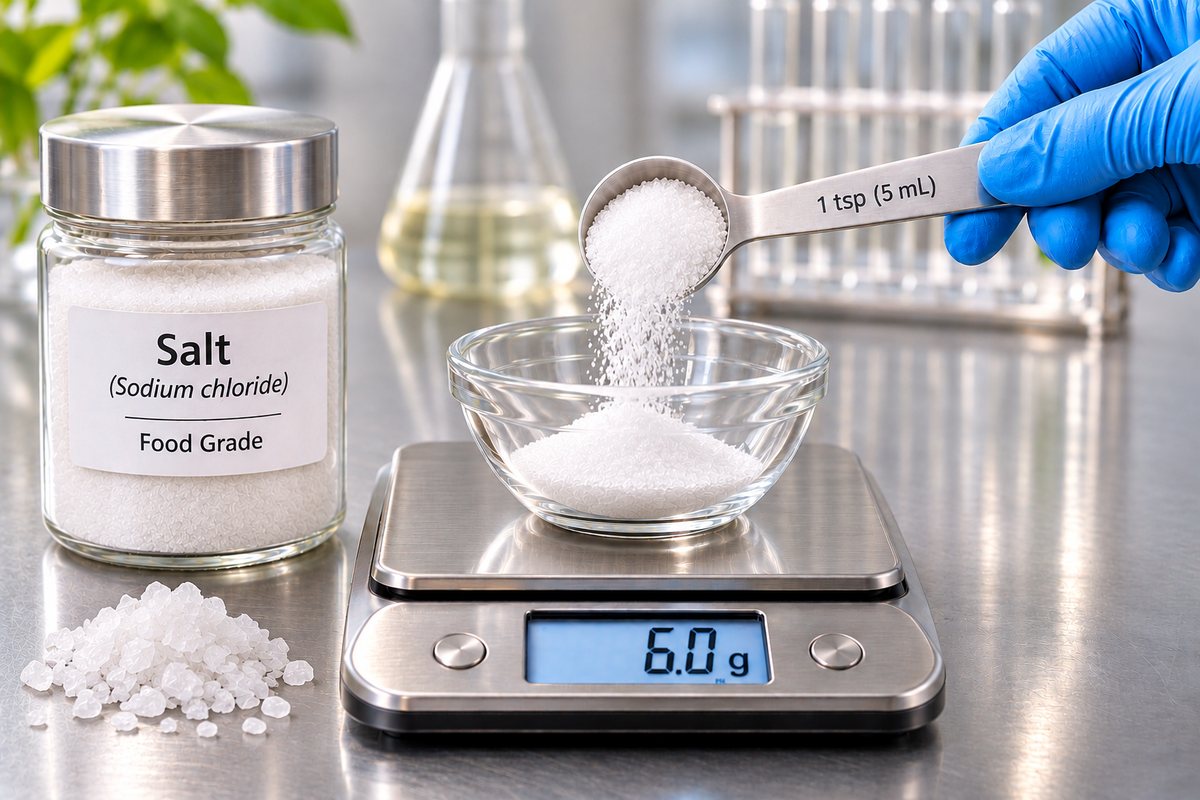
Regular table or sea salt.
Grow it yourself: Cilantro (dhania)
Restaurant cooks do these things by habit. Here’s what each step is actually doing to the food, so you can cook by understanding instead of guesswork.
Soak the chana for 8 hours or overnight, or use the no-soak timing.
Dried kala chana are hard and their skins are thick. Soaking lets water reach the center before cooking starts, so they cook faster and more evenly. Unsoaked, they still soften in the Instant Pot, but need roughly twice as long under pressure.
Add the salt with the water, before pressure cooking.
It’s a myth that salt keeps beans hard. America’s Test Kitchen found that sodium in the soaking or cooking water replaces some of the calcium and magnesium that hold the pectin in bean skins together, so the skins soften and are less likely to burst. Salt in the water also seasons the chana all the way through; salt sprinkled on at the end only sits on the surface.
Pressure cook on the Bean setting (high pressure).
At high pressure, the water inside an Instant Pot boils at about 239–244°F (115–118°C) instead of 212°F (100°C). That extra heat breaks down the chickpeas’ cell walls and softens their starch much faster, turning hours on the stove into well under an hour.
Use the measured water so most of it is absorbed by the end.
As the starch inside each chickpea softens, it soaks up water and the chana swell. Measuring the water means most of it ends up inside the chickpeas rather than left as a soupy liquid, and whatever remains cooks off in a few minutes on Sauté.
Let the pressure come down on its own.
Chickpeas foam as they cook. A quick release can push that foam out through the steam valve, and the sudden drop in pressure makes the liquid inside the chickpeas boil abruptly and split their skins. A natural release keeps them intact while they finish cooking gently.
Sizzle the cumin seeds in the oil before anything else goes in.
Cumin’s flavor compounds dissolve in fat, so a short sizzle in hot oil releases them, and the oil carries them onto every chickpea.
Toss the cooked chana with the garam masala, coriander powder, amchur and chaat masala.
Their aromas come from volatile compounds that would cook away under pressure. Added at the end, the powders cling to the warm, lightly oiled chickpeas instead of dissolving into a sauce, which is what makes the dish “sookha” (dry). Amchur and chaat masala bring sourness without liquid, so the chana stay dry and tangy.
Exact amounts and timings are in the recipe card below.
What this dish brings to the table, with an honest rating of how strong the evidence is.
4.0 g protein per 100 calories. Estimated from the ingredients with USDA FoodData Central values.
Gym-friendly tip: Serve with ¾ cup plain Greek yogurt as raita (about +16 g protein) or stir 100 g cubed paneer into the finished dal (about +18 g).
Kala chana are rich in both fiber and protein. Eating pulses regularly is linked with better cholesterol levels and with feeling full for longer.
Pulses have a low glycemic index: they digest slowly, so they raise blood sugar more gently than refined grains.
Chickpeas provide plant (nonheme) iron. A squeeze of lemon adds vitamin C, which helps your body absorb it.
Soaking and thorough cooking make pulses easier to digest and their minerals easier to absorb.
General nutrition information, not medical advice. Numbers marked “estimated” are calculated from the recipe’s ingredients and vary with brands and portions. If you have diabetes, heart or kidney disease, a food allergy, or are pregnant, ask your doctor or a registered dietitian how this dish fits your diet.
Fits these health goals: High LDL cholesterol, Iron-deficiency anemia, Constipation and gut health (general guidance, not medical advice)
Health sources: Harvard T.H. Chan School of Public Health: Legumes and pulses · Dietary guidance for pulses (Annals of the New York Academy of Sciences, 2017) · Pulses: healthy and sustainable food sources (Int J Mol Sci, 2017) · NIH Office of Dietary Supplements: Iron · NIH Office of Dietary Supplements: Vitamin C
See the full ingredient health guide: benefits, traditional roots and the science →
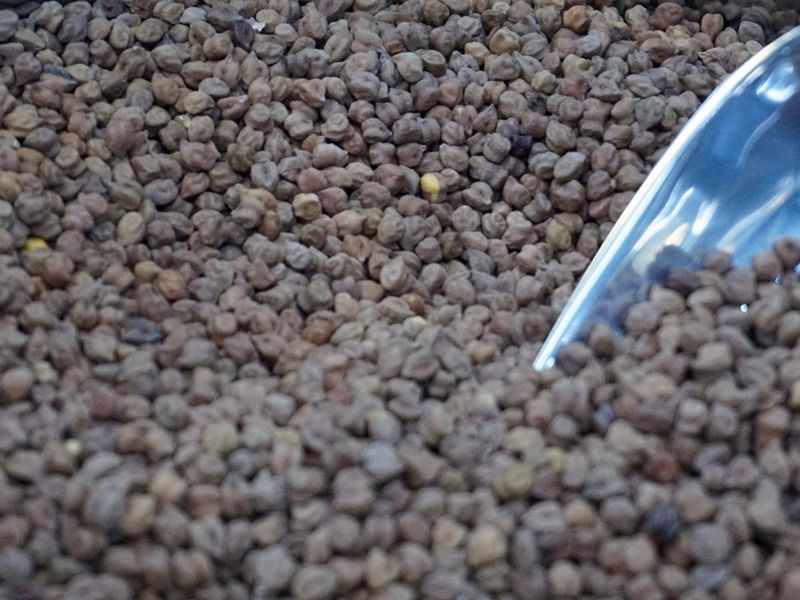
Black chickpeas, or Bengal gram: a small, dark-skinned desi chickpea.
Pulses like kala chana are high in fiber and protein, which slow how fast their carbohydrate is absorbed, so they fit well on a diabetes plate. Watch the portion and pair them with vegetables.
They’re the same species as white chickpeas (garbanzo beans) but a different type: smaller, darker and with a thicker skin. Don’t substitute black beans or black-eyed peas.
Yes. Use 3 cups water and pressure cook for 45 minutes, then cook off any remaining water on Sauté.
The beginning. Salt in the cooking water seasons the chana all the way through and helps soften their skins; it doesn’t make them tough.
Traditionally with puri and sooji halwa, especially for Navratri. They’re also good with roti, as a chaat with chopped onion and tomato, or on their own as a snack.

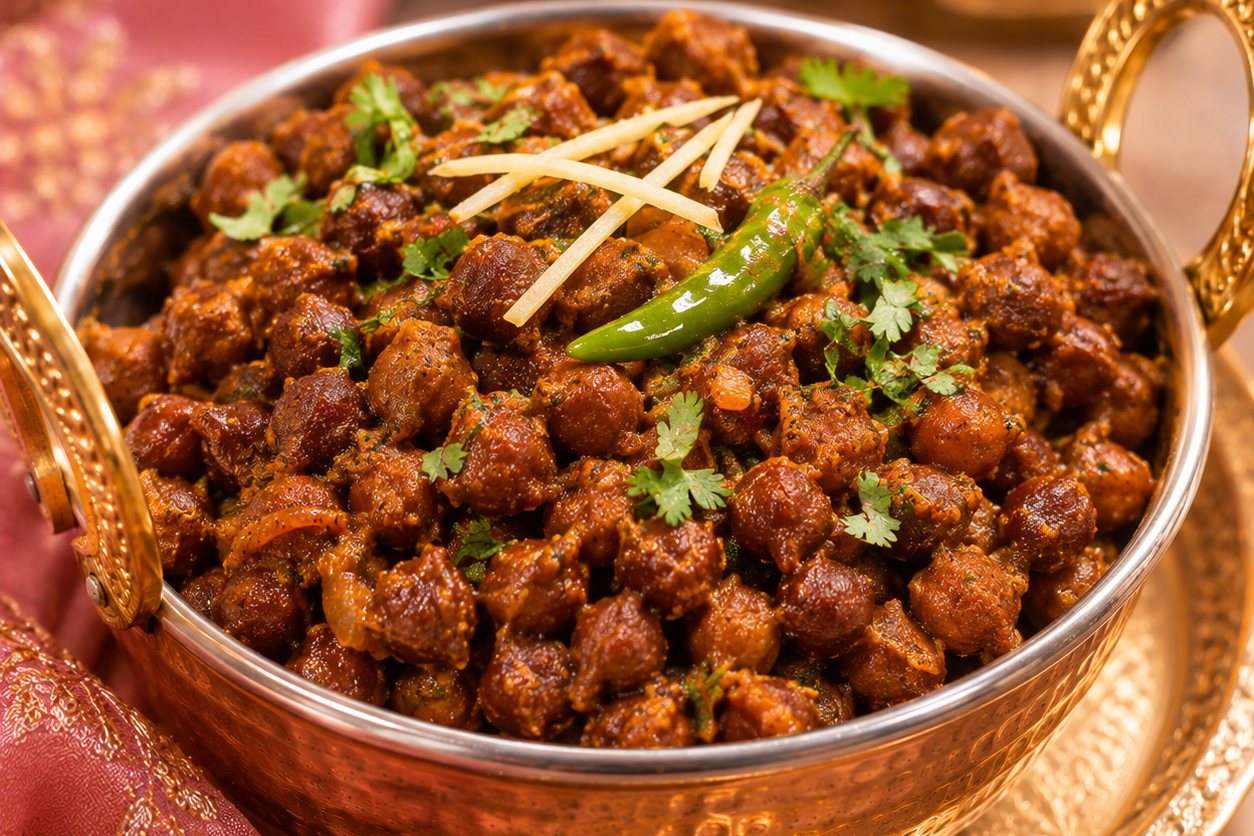
Dry-style black chickpeas (kala chana) made in the Instant Pot: cumin bloomed in oil, chana pressure-cooked with salt until the water is absorbed, then tossed with garam masala, coriander powder, amchur and chaat masala.
No Instant Pot? A 3–5 liter stovetop pressure cooker works the same way.
How much to make, based on 4 people eating it once a day. One batch of this recipe makes 4 servings.
Why only a few days in the fridge? Refrigeration slows bacteria but doesn’t stop them; some, like Listeria, can still grow at fridge temperatures, which is why food-safety agencies set cooked leftovers at 3–4 days. Freezing at 0°F stops growth completely, so frozen portions stay safe indefinitely; the freezer times above are for best taste and texture.
Food-safety guidance: USDA, Leftovers and Food Safety · FoodSafety.gov storage chart