Science-backed recipe

Coconut Sooji Halwa, Roasted Low and Slow

Also called Semolina Halwa · Suji ka Halwa · Rava Sheera · नारियल सूजी का हलवा · ناریل سوجی کا حلوہ

Coarse semolina toasted in butter with coconut until nutty and golden, then cooked in hot, cardamom-steeped milk. The science explains why the slow roast, the hot liquid and the 1-to-3 ratio make it soft and fluffy instead of lumpy.

In short

Sooji halwa is semolina roasted in butter or ghee until golden, then cooked with milk, sugar and cardamom into a glossy pudding. This version adds coconut and uses the classic 1:1:1 ratio of sooji, fat and sugar with three times as much liquid.

Active
50 min
Prep
10 min
Total
50 min
Serves
12
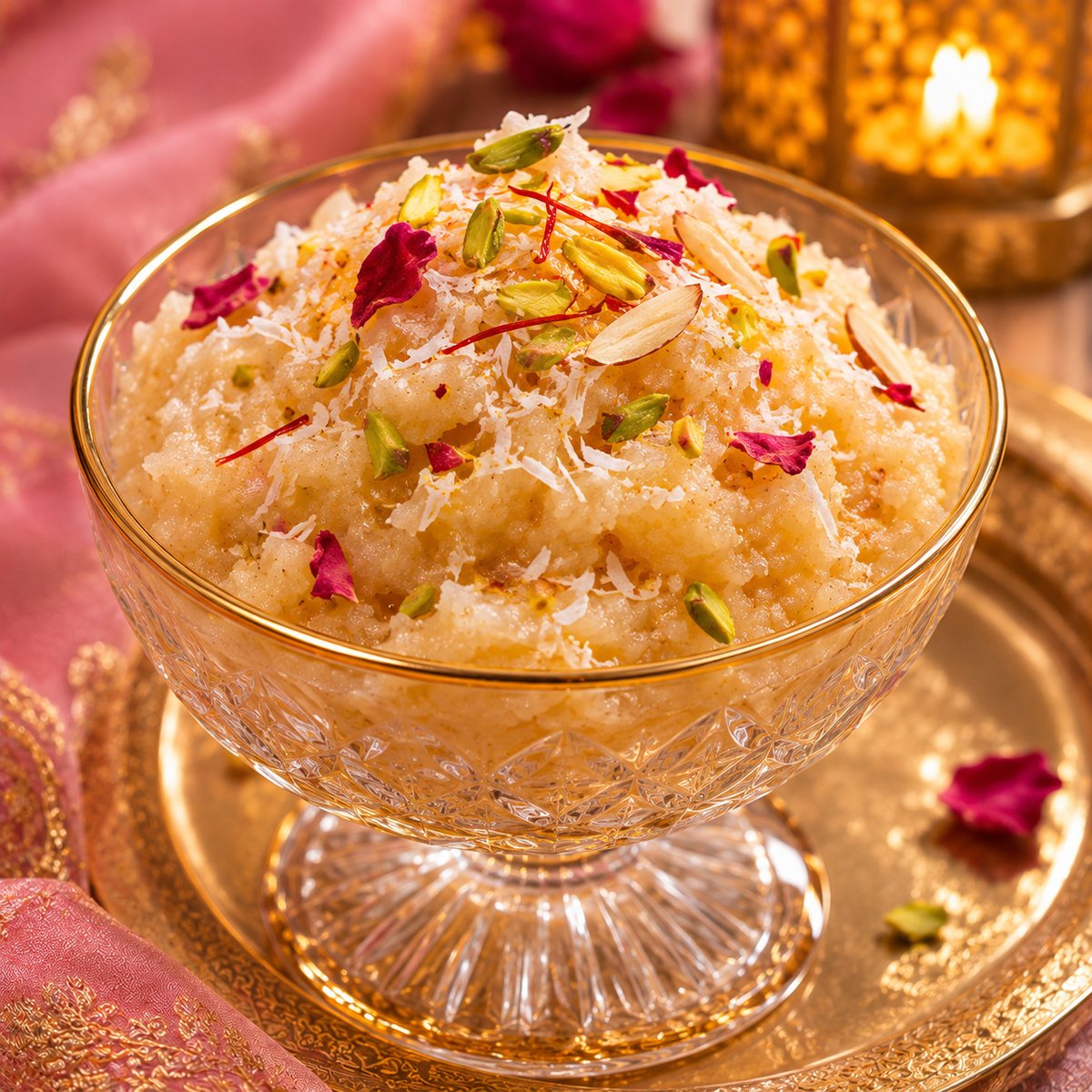
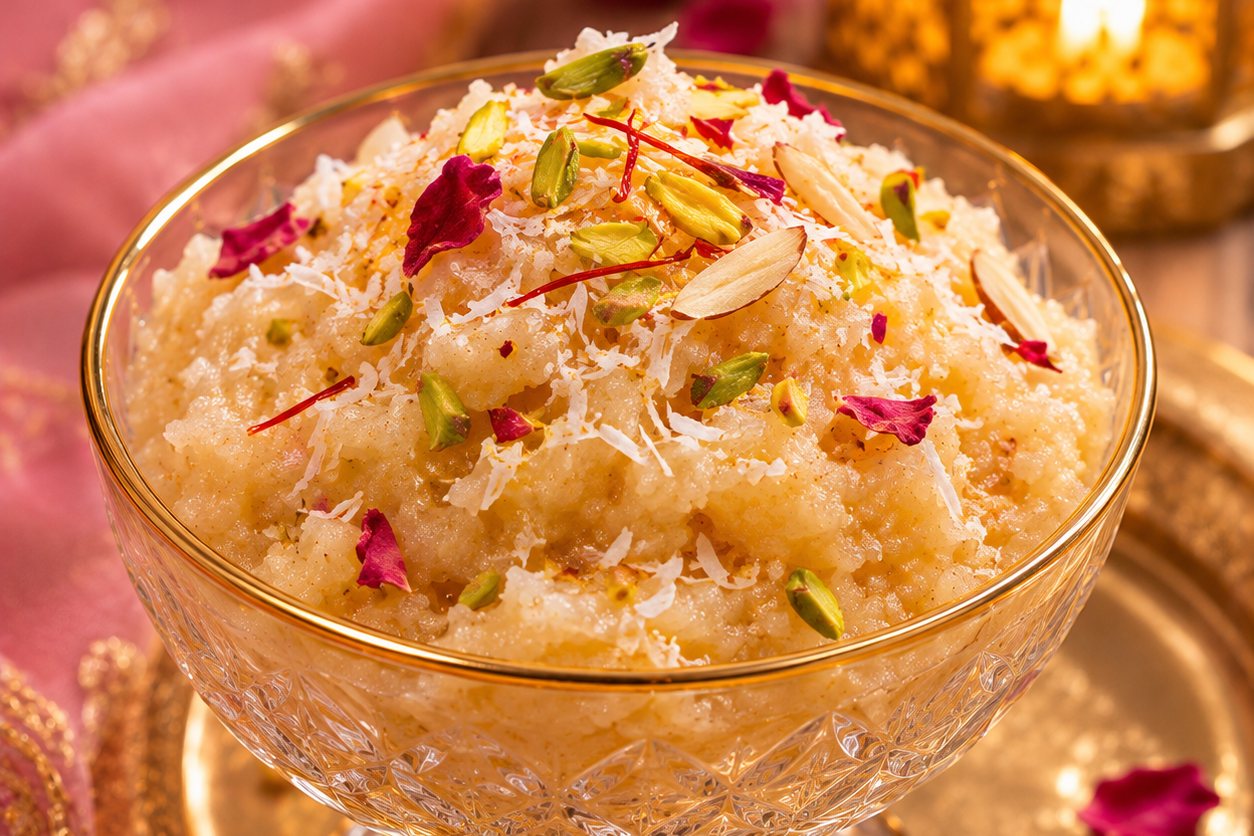
Coconut sooji halwa in a crystal dessert bowl, topped with coconut, pistachios, almonds, saffron and rose petals

Why this recipe works

  • ✓
    Roasted for flavorSlow-toasting the semolina in butter builds a deep, nutty, cookie-like flavor.
  • ✓
    Soft, never lumpyButter-coated grains and hot liquid let every grain swell on its own.
  • ✓
    Cardamom in every biteSteeping the elaichi in the hot milk spreads its aroma evenly.
  • ✓
    Coconut, toasted not burntIt goes in near the end of the roast, so it turns golden with the semolina.

What is sooji halwa?

Sooji halwa (suji ka halwa, or rava sheera in western India) is one of the most classic Desi sweets: coarse semolina roasted in fat, then cooked with hot milk or water and sugar until it thickens into a soft, glossy pudding. It’s made for festivals and prayers, and served with puri and sookhe kaale chole as Navratri prasad.

A well-known rule of thumb is one part each semolina, fat and sugar to three parts liquid. This version follows that ratio, roasts coconut with the semolina for extra nuttiness, and steeps green cardamom (elaichi) in the milk while the semolina toasts.

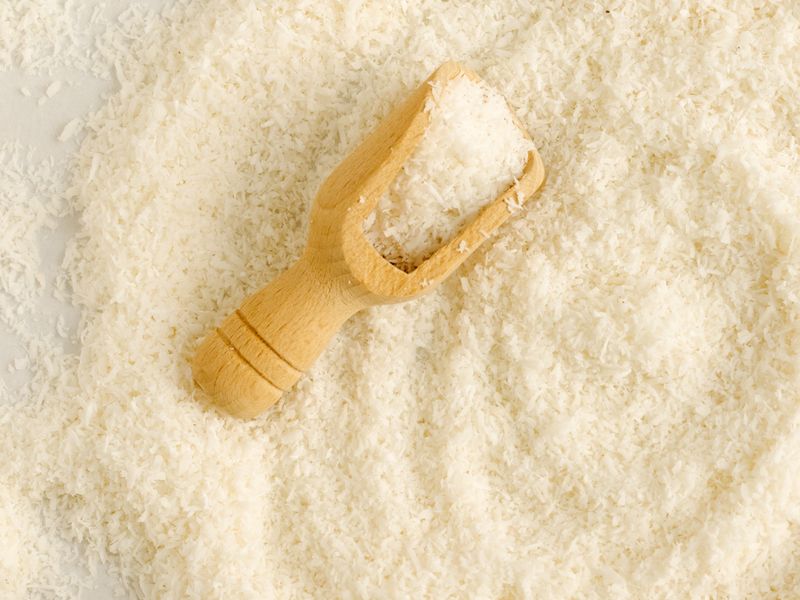
Finely grated dried coconut with a wooden scoop

Meet the ingredients

Here’s every ingredient, with its English, Hindi and Urdu names and what it does in the halwa.

Illustration of coarse semolina (sooji) grains

Coarse semolina (sooji)

सूजीسوجی
sūjī · rava

Coarsely milled wheat, sold as coarse sooji, rava or “semolina (coarse)” in Desi grocery stores. Avoid fine semolina flour for this recipe.

Its job: The body of the halwa. Coarse grains swell into soft, separate beads instead of a smooth paste.
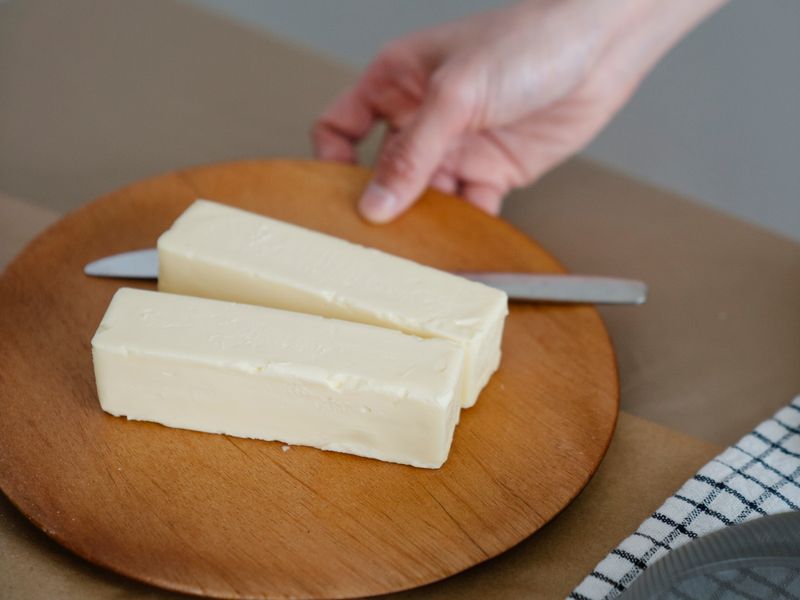
A block of butter on a wooden plate

Butter or ghee

मक्खन · घीمکھن · گھی
makkhan · ghī

Unsalted butter, or desi ghee (clarified butter), the traditional choice.

Its job: Coats each grain so it toasts evenly and hydrates without clumping, and carries the flavor.
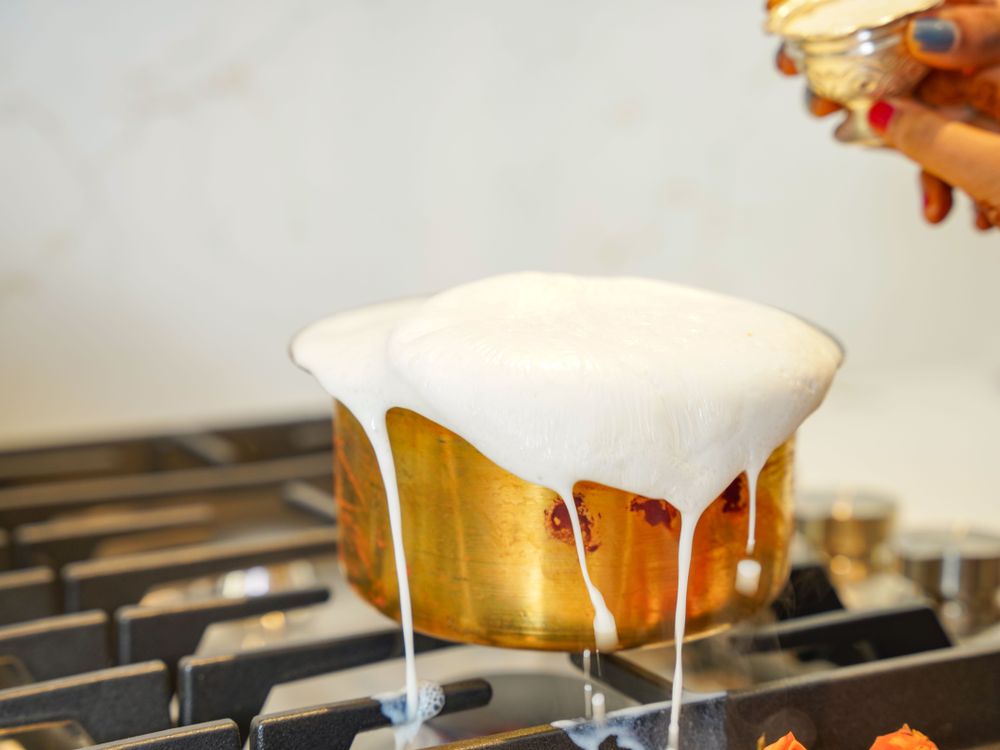
Milk foaming up and boiling over the sides of a pot on the stove

Milk

दूधدودھ
dūdh

Whole milk, alone or mixed half-and-half with water.

Its job: Creaminess and a richer, softer halwa. Water alone gives a lighter, more grainy (daanedaar) texture.
Finely grated dried coconut with a wooden scoop

Coconut

नारियलناریل
nāriyal

Unsweetened desiccated coconut (finely grated and dried). Fresh grated coconut works too.

Its job: A toasty, nutty sweetness and a little chew.
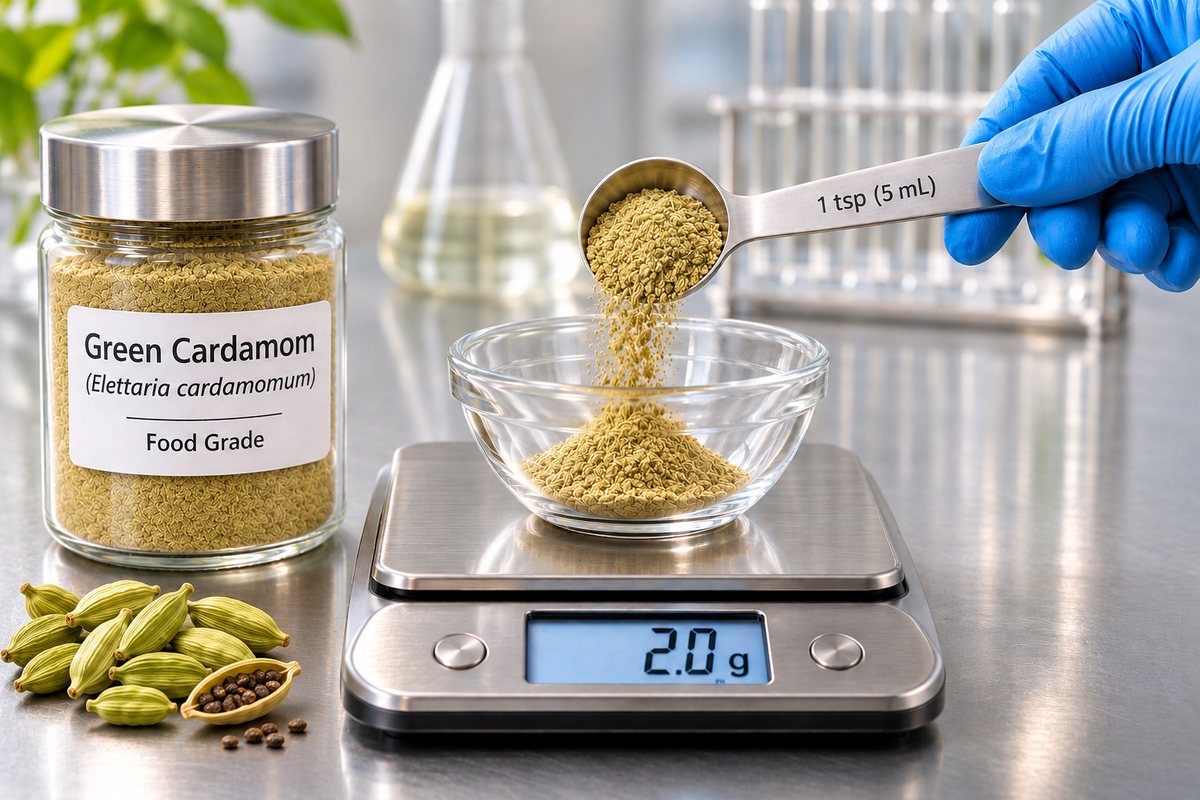
Ground green cardamom (elaichi) measured by the teaspoon on a digital scale, with whole pods

Green cardamom

इलायचीالائچی
ilāychī

Green cardamom pods, lightly crushed, or ground cardamom.

Its job: The classic halwa perfume, steeped into the hot milk.
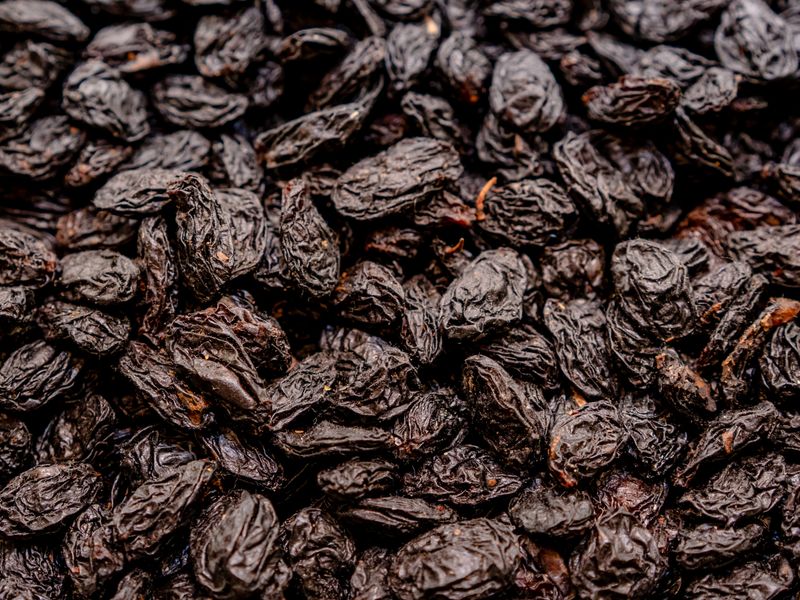
A pile of dark purple raisins

Nuts and raisins (optional)

मेवाمیوہ
mevā

Sliced almonds, cashews, pistachios or raisins, the traditional garnish.

Its job: Crunch and sweetness against the soft halwa.
The lab notes

The science behind every step

Restaurant cooks do these things by habit. Here’s what each step is actually doing to the food, so you can cook by understanding instead of guesswork.

Lab note01

Why roast the semolina

Roast the semolina in butter over medium heat, stirring constantly, until golden and nutty, 15–20 minutes.

Dry heat with fat drives the same browning reactions that toast bread: the Maillard reaction between the grain’s proteins and sugars builds nutty, roasted flavor. Roasting also breaks some of the starch’s long chains into shorter pieces called dextrins, which thicken less. America’s Test Kitchen measured this in roux, a flour-and-fat paste: the longer it cooked, the less it thickened. In halwa that’s an advantage: well-roasted semolina sets soft and loose, while under-roasted semolina turns gluey and tastes raw.

Lab note02

Fat keeps the grains apart

Make sure every grain is coated in butter before any liquid goes in.

When dry starch meets hot liquid, the outside of a clump gelatinizes instantly into a sticky skin that seals dry starch inside: that’s a lump. A coating of fat slows water’s entry and keeps the grains separate, so each one hydrates on its own. It’s the same reason a roux whisks smoothly into milk while plain flour clumps.

Lab note03

Butter vs. ghee

Stir from the bottom as the butter sizzles, and lower the heat if it browns too fast.

Butter is about 80% fat; most of the rest is water plus milk proteins and sugar. The water sizzles off first, then the milk solids brown along with the semolina, adding a brown-butter note. Those solids can also scorch on the bottom of the pan. Ghee is nearly pure fat with the milk solids already removed, so it tolerates the long roast with less risk of burning.

Lab note04

Coconut goes in near the end

Add the coconut for the last 4–5 minutes of roasting.

Desiccated coconut is small, dry and rich in its own oil and natural sugars, so it browns much faster than semolina. Added at the start, it would be dark or burnt long before the semolina is done. Added near the end, both finish golden together.

Lab note05

Hot liquid, never cold

Heat the milk and water in a separate pot while the semolina roasts, and pour it in hot.

Starch absorbs water and swells as it heats, a process called gelatinization. Hot liquid keeps the pot hot, so every grain starts swelling at the same time. Cold liquid crashes the temperature, so the grains thicken unevenly and lumps form while the rest catch up.

Lab note06

Why steep the cardamom in the milk

Crush the cardamom pods and let them steep in the milk as it heats.

Cardamom’s aroma comes from fragrant oils inside its small black seeds. Crushing the pods exposes the seeds, and hot milk, which contains fat, draws those flavors out and carries them evenly through the halwa, instead of leaving strong pockets wherever a pinch of powder landed.

Lab note07

Sugar slows the swelling

Dissolve the sugar in the hot liquid before it goes in.

Sugar competes with starch for water. Cereal chemists have shown that sucrose pushes the swelling of wheat starch to higher temperatures and slows it down. In halwa that keeps the grains from absorbing everything at once and setting stiff like upma, so the finished halwa stays soft, glossy and spoonable. Dissolving the sugar first also means no gritty crystals.

Lab note08

The 1-to-3 ratio

Use three cups of liquid for every cup of semolina.

That’s about as much liquid as coarse semolina can absorb as its starch fully softens, so the grains end up tender while the halwa still pulls away from the pot in a glossy mass. Less liquid gives a firmer, sliceable halwa; more gives a softer, pudding-like one.

Lab note09

Stand back when the liquid goes in

Pour the hot liquid in slowly while stirring, keeping your hand and face away from the pot.

The roasted semolina and butter are far hotter than water’s boiling point, 212°F (100°C). When the liquid hits, part of it flashes into steam instantly and the mixture spits hard. Pouring slowly lets the steam escape gradually, and a long-handled spoon keeps your hand out of the spatter.

Lab note10

Rest before serving

Cover the pot off the heat for 5 minutes.

The grains keep absorbing liquid after the heat is off, so a short rest lets them finish swelling. As halwa cools further, its starch slowly re-crystallizes, which is why leftovers firm up and taste best re-warmed with a splash of milk.

How to make it, at a glance

  1. Start the cardamom milkCombine the milk, water and crushed cardamom in a saucepan and bring to a gentle simmer over medium heat. Stir in the sugar until it dissolves, then keep the liquid hot over low heat.
  2. Melt the butterIn a large, heavy, wide pot (6 quarts or bigger), melt the butter over medium heat.
  3. Roast the semolinaAdd the semolina and stir constantly, scraping the bottom, until it turns golden and smells nutty, 15–20 minutes. Lower the heat if it browns too fast.
  4. Toast the coconutAdd the coconut for the last 4–5 minutes and keep stirring until both are evenly golden.
  5. Add the hot milkTurn the heat to low. Standing back, pour the hot cardamom milk into the semolina slowly, stirring constantly. It will sputter and steam hard at first. (Fish out the cardamom pods first if you prefer.)
  6. Cook until glossyKeep stirring over low-medium heat until the liquid is absorbed and the halwa thickens, turns glossy and pulls away from the sides of the pot, 5–8 minutes.
  7. Rest and serveCover, take off the heat and rest for 5 minutes. Fluff, top with the nuts and raisins if using, and serve warm.

Exact amounts and timings are in the recipe card below.

Health & nutrition

Health benefits, honestly rated

Halwa is a festive treat, and the numbers show why it’s best enjoyed in small portions.

Macros per serving

Calories890
Protein10 g
Carbs87 g
Fat58 g
Fiber4 g
Sodium50 mg

1.1 g protein per 100 calories. Estimated from the ingredients with USDA FoodData Central values.

Gym-friendly tip: Treat-sized. For more protein, serve with a cup of milk (+8 g) or Greek yogurt.

Well established

Calcium and protein from milk

Cooking the semolina in milk adds calcium and protein. Using all milk instead of half water roughly doubles both.

Well established

Semolina is a hearty grain

Semolina is milled from hard wheat, which is higher in protein than many soft flours, so halwa is more filling than sugar alone.

Keep in mind

  • At the full traditional ratio, one serving (1/12 of the batch) has roughly 890 calories, 35 g of saturated fat and 40–50 g of added sugar (estimated). For a 2,000-calorie day, the Dietary Guidelines suggest under about 22 g of saturated fat and 50 g of added sugar.
  • Lighter version: 1½ cups butter and 2 cups sugar brings a serving to roughly 600 calories, 22 g of saturated fat and 33 g of added sugar (estimated). A half-size portion halves everything again.
  • Contains wheat (gluten) and dairy; nuts if used.

General nutrition information, not medical advice. Numbers marked “estimated” are calculated from the recipe’s ingredients and vary with brands and portions. If you have diabetes, heart or kidney disease, a food allergy, or are pregnant, ask your doctor or a registered dietitian how this dish fits your diet.

Health sources: NIH Office of Dietary Supplements: Calcium · Dietary Guidelines for Americans

Questions, answered

Is sooji halwa the same as kesari?

They’re close cousins. Kesari (kesari bath) is the South Indian version, often colored with saffron and usually cooked with water; North Indian sooji halwa is made with ghee and milk or water.

What is the ratio for sooji halwa?

1 part sooji, 1 part ghee or butter and about 1 part sugar by volume, with 3 parts liquid.

Why is my halwa lumpy?

The liquid was cold, went in all at once, or the semolina wasn’t fully coated in fat. Heat the milk separately, pour it in slowly while stirring, and keep stirring as it thickens.

Can I use fine semolina?

It works, but it makes a smoother, pastier halwa and needs a little less liquid, about 2½ cups per cup of semolina. Coarse sooji gives the classic separate grains.

How do I know the semolina is roasted enough?

It turns an even golden color, smells nutty like toasted cookies, and feels lighter and sandy as you stir.

Can I use ghee instead of butter?

Yes, ghee is the traditional choice. Use the same amount; it handles the long roast better because it has no milk solids left to scorch.

Can I make it in an Instant Pot?

Yes, on Sauté mode, using it as a heavy pot. See the Instant Pot method in the recipe card. Pressure cooking isn’t needed: the halwa cooks in minutes once the liquid is in.

About MedRise Food Science

Desi restaurant favorites, recreated at home and explained with food science: every recipe is tested in a home kitchen and comes with the why behind each step.

Meal prep

Meal prep: feeding 4 for the week

How much to make, based on 4 people eating it once a day. One batch of this recipe makes 12 servings.

Tonight1× the recipe4 servingsWhole milk: ½ gallon (you need 4½ cups); or ¾ gallon (you need 9 cups) if using all milk instead of half waterOne batch is enough.
Days 1–41.5× the recipe16 servings, kept in the fridgeWhole milk: ½ gallon (you need 6¾ cups); or 1 gallon (you need 13½ cups) if using all milk instead of half water
Days 1–7, the whole week2.5× the recipe28 servings: fridge for the first days, freezer for the restWhole milk: ¾ gallon (you need 11¼ cups); or 1½ gallons (you need 22½ cups) if using all milk instead of half water
  1. Cook onceOn prep day, make the recipe at 2.5× (use the button above to scale every amount). Big pots take longer to come to a boil and to reduce, so allow extra time; an Instant Pot should be filled no more than halfway for beans and lentils, or two-thirds for other dishes, so cook in rounds if needed.
  2. Cool it fastDivide the food into shallow containers so it cools quickly, and refrigerate within 2 hours of cooking.
  3. Split fridge and freezerKeep days 1–4 in the fridge. Freeze the rest in single-meal portions labeled with the date.
  4. Thaw the night beforeMove the next day’s portion from the freezer to the fridge the night before. Reheat until steaming hot all the way through (165°F / 74°C).
Fridge
Up to 4 days
Freezer
Freezes for about 1 month in airtight portions.
Milk and cream for the whole week
Whole milk: ¾ gallon (you need 11¼ cups); or 1½ gallons (you need 22½ cups) if using all milk instead of half water
Keep separate or add fresh
Add the nuts and raisins when serving so they stay crunchy.
Reheat
Warm in a pan or microwave with a splash of milk, stirring, until soft again.

Why only a few days in the fridge? Refrigeration slows bacteria but doesn’t stop them; some, like Listeria, can still grow at fridge temperatures, which is why food-safety agencies set cooked leftovers at 3–4 days. Freezing at 0°F stops growth completely, so frozen portions stay safe indefinitely; the freezer times above are for best taste and texture.

Food-safety guidance: USDA, Leftovers and Food Safety · FoodSafety.gov storage chart

Sources & further reading