Hakka noodles
हक्का नूडल्सہاکا نوڈلز
hakkā nūḍals
Thin dried wheat noodles sold as Hakka noodles, or thin lo mein noodles.
Its job: The base of the dish.
Also called Indo-Chinese Chow Mein · हक्का नूडल्स · ہاکا نوڈلز
Springy noodles tossed over high heat with crisp vegetables, garlic, soy sauce, vinegar and chili, the Indo-Chinese favorite. The science explains how to keep the noodles separate and the vegetables crunchy.
Veg Hakka noodles are Indo-Chinese stir-fried noodles with crisp cabbage, carrot, peppers and spring onion in soy sauce, vinegar and chili. The secret is cooking the noodles just al dente, rinsing them, and stir-frying over the highest heat.
 From the MedRise Food Science kitchenPublished
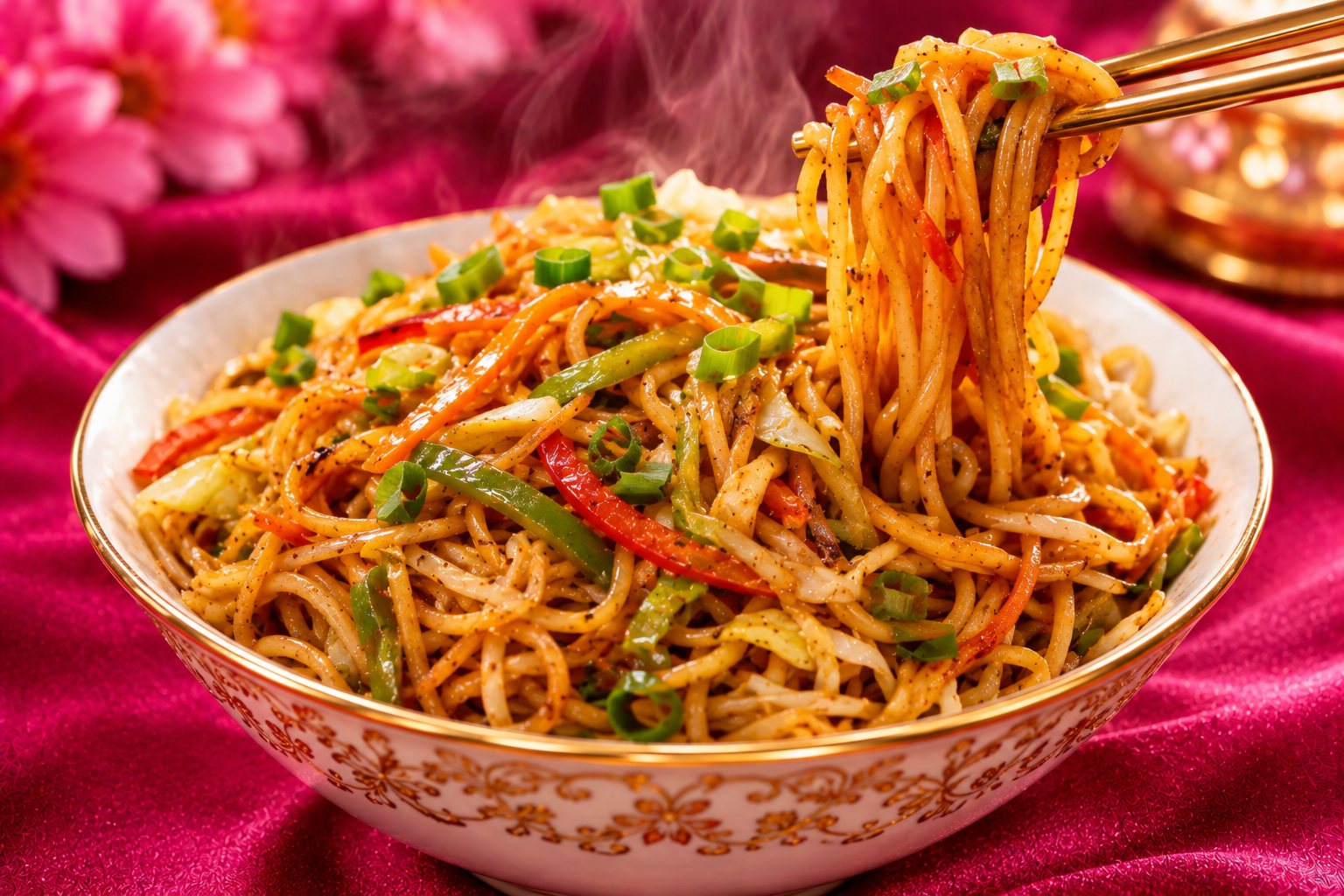
Hakka noodles are the best-known dish of Indian Chinese (Indo-Chinese) cooking: wheat noodles stir-fried with crisp vegetables, garlic, soy sauce, vinegar and chili. The cuisine grew out of Kolkata’s Chinese community, many of them Hakka, centered in the old tannery neighborhood of Tangra, where cooks adapted Chinese stir-frying to Indian tastes with more chili, garlic and ginger.
From Kolkata, Hakka-style Chinese food spread across India and the diaspora. Pair it with sweet corn soup or chili garlic momos for an Indo-Chinese night in.
The main ingredients, with their English, Hindi and Urdu names.
Thin dried wheat noodles sold as Hakka noodles, or thin lo mein noodles.
Finely shredded.
Cut into thin matchsticks.
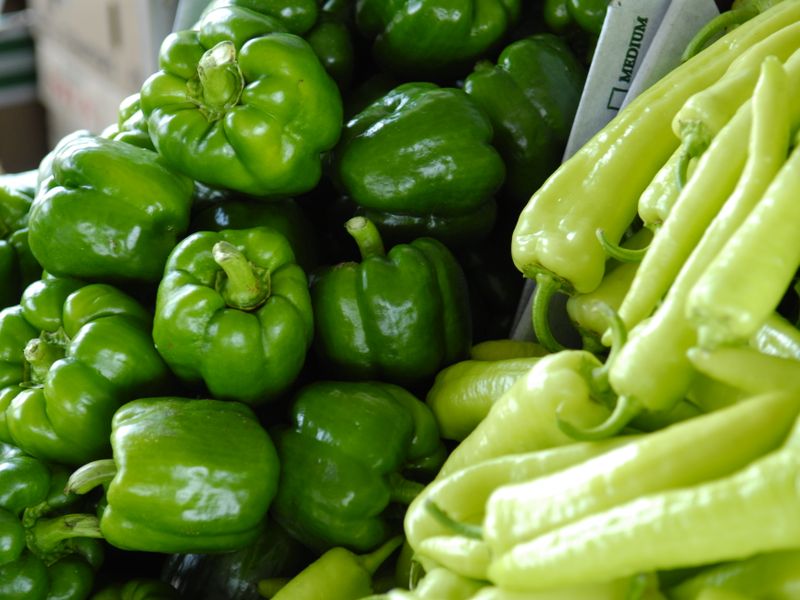
Cut into thin strips.
Whites for cooking, greens for garnish.
Regular or low-sodium soy sauce.
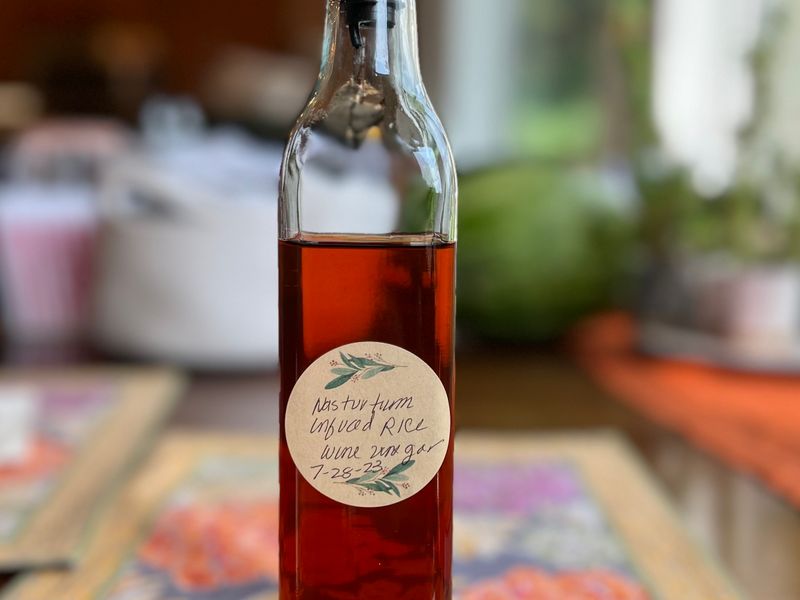
Distilled white vinegar.
Grow it yourself: Green chilies, Bell peppers (capsicum), Cauliflower and cabbage, Spring onions, Garlic, Ginger
Restaurant cooks do these things by habit. Here’s what each step is actually doing to the food, so you can cook by understanding instead of guesswork.
Boil the noodles until just tender with a little bite, drain, and rinse under cold water.
Noodles keep cooking from their own heat after draining, and the stir-fry cooks them a little more, so they come off the boil slightly underdone. As they cook, starch leaches onto their surface and turns sticky; rinsing washes it away and cools the strands so they don’t glue into a clump.
Toss the drained noodles with a teaspoon of oil and spread them out for 10 minutes.
A thin film of oil keeps the strands apart. Drier noodles fry instead of steaming: any water on them has to boil off first, and they turn soft and pasty while it does.
Stir-fry over the highest heat and don’t crowd the pan.
Browning reactions (caramelization and the Maillard reaction) only happen when the surface is well above the boiling point of water. A crowded pan cools down and fills with moisture from the vegetables, so everything steams and goes limp instead of searing.
Shred the cabbage and cut the carrot and pepper into thin strips; toss for only 1–2 minutes.
Vegetables soften as heat breaks down pectin, the glue between their cell walls. Thin pieces heat through in seconds, so a short, hot toss leaves most of that structure, and the crunch, intact.
Add the sauce at the very end and toss quickly.
The acetic acid in vinegar is volatile, so long cooking drives off its sharp aroma. Added last, it keeps its bright tang.
Exact amounts and timings are in the recipe card below.
A vegetable-loaded noodle dish; the sodium is worth watching.
2.8 g protein per 100 calories. Estimated from the ingredients with USDA FoodData Central values.
Gym-friendly tip: Add 150 g cubed paneer or a side of ¾ cup Greek yogurt raita (about +16 g protein), or serve with dal.
Cabbage, carrot and peppers add fiber, vitamin C and carotenoids, and a short stir-fry keeps more of the heat-sensitive vitamin C.
General nutrition information, not medical advice. Numbers marked “estimated” are calculated from the recipe’s ingredients and vary with brands and portions. If you have diabetes, heart or kidney disease, a food allergy, or are pregnant, ask your doctor or a registered dietitian how this dish fits your diet.
Fits these health goals: High LDL cholesterol, Fatty liver disease (MASLD) (general guidance, not medical advice)
Health sources: NIH Office of Dietary Supplements: Vitamin C · Dietary Guidelines for Americans
See the full ingredient health guide: benefits, traditional roots and the science →
It’s an Indian Chinese dish, developed by Kolkata’s Chinese community and adapted to Indian tastes, rather than a traditional dish from China.
They were overcooked or not rinsed. Cook them just to al dente, rinse in cold water and toss with oil.
The pan wasn’t hot enough or was crowded. Use the highest heat and cook in batches.
Yes, as written, if your noodles are egg-free; some brands contain egg.
Desi restaurant favorites, recreated at home and explained with food science: every recipe is tested in a home kitchen and comes with the why behind each step.
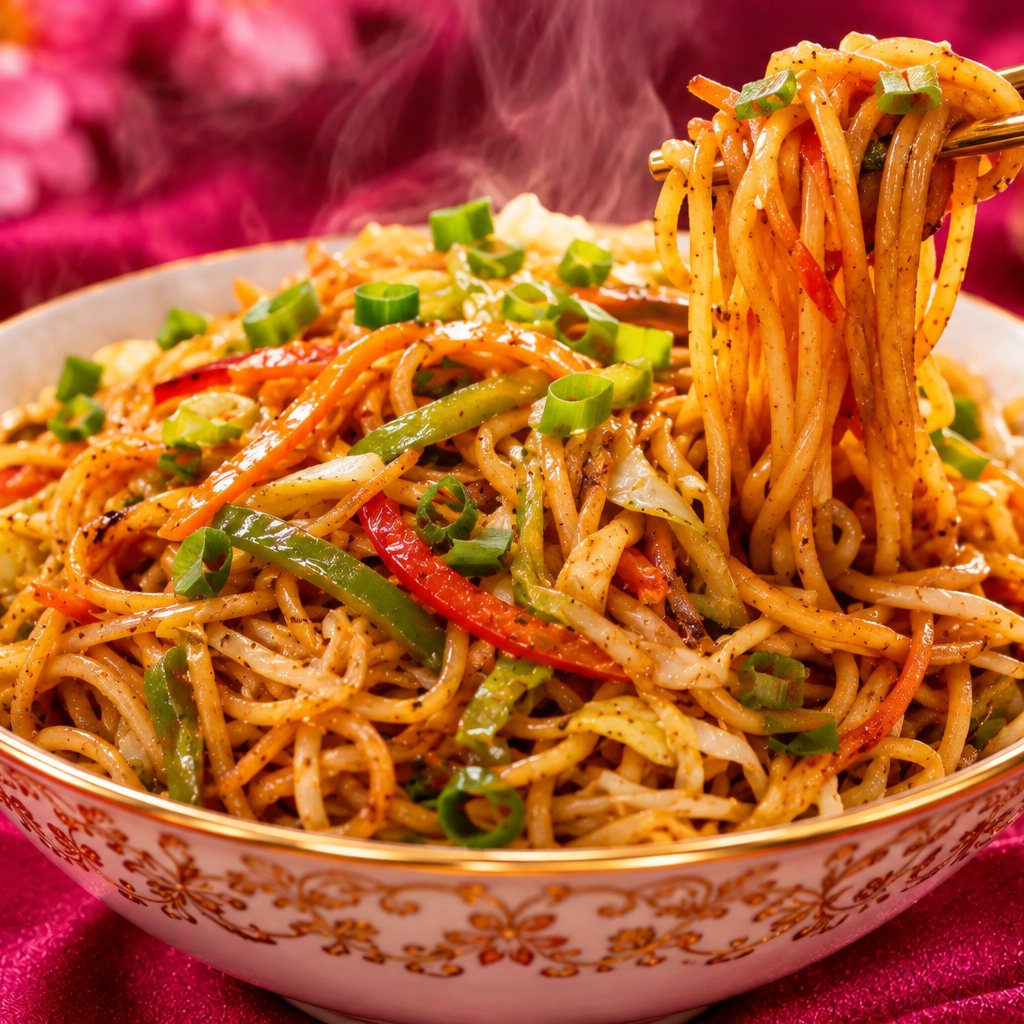
Restaurant-style veg Hakka noodles: springy noodles stir-fried over high heat with crisp cabbage, carrot, peppers and spring onion in soy sauce, vinegar and chili. With the food science of noodles that don’t clump.
Make it start to finish in the Instant Pot on Sauté.
The Instant Pot holds less heat than a wok, so small batches matter even more.
How much to make, based on 4 people eating it once a day. One batch of this recipe makes 4 servings.
Why only a few days in the fridge? Refrigeration slows bacteria but doesn’t stop them; some, like Listeria, can still grow at fridge temperatures, which is why food-safety agencies set cooked leftovers at 3–4 days. Freezing at 0°F stops growth completely, so frozen portions stay safe indefinitely; the freezer times above are for best taste and texture.
Food-safety guidance: USDA, Leftovers and Food Safety · FoodSafety.gov storage chart