Lamb chops
लैम्ब चॉप्सبکرے کی چانپ
chāṅp
Lamb rib or loin chops, about 1 inch thick, trimmed of excess fat.
Its job: Tender, rich meat that loves high heat.
Also called Tandoori Mutton Chops · Lamb Chaap · तंदूरी लैम्ब चॉप्स · تندوری لیمب چاپس
Lamb chops in a yogurt or sour cream marinade with ajwain, lemon, lal mirch, black pepper, garam masala, kasuri methi and ginger-garlic, then seared hot until charred outside and juicy within. Ready in minutes once marinated.
Tandoori lamb chops are rib or loin chops marinated in yogurt, ginger-garlic and tandoori spices, then seared or roasted until charred outside and pink inside (145°F).
 From the MedRise Food Science kitchenPublished
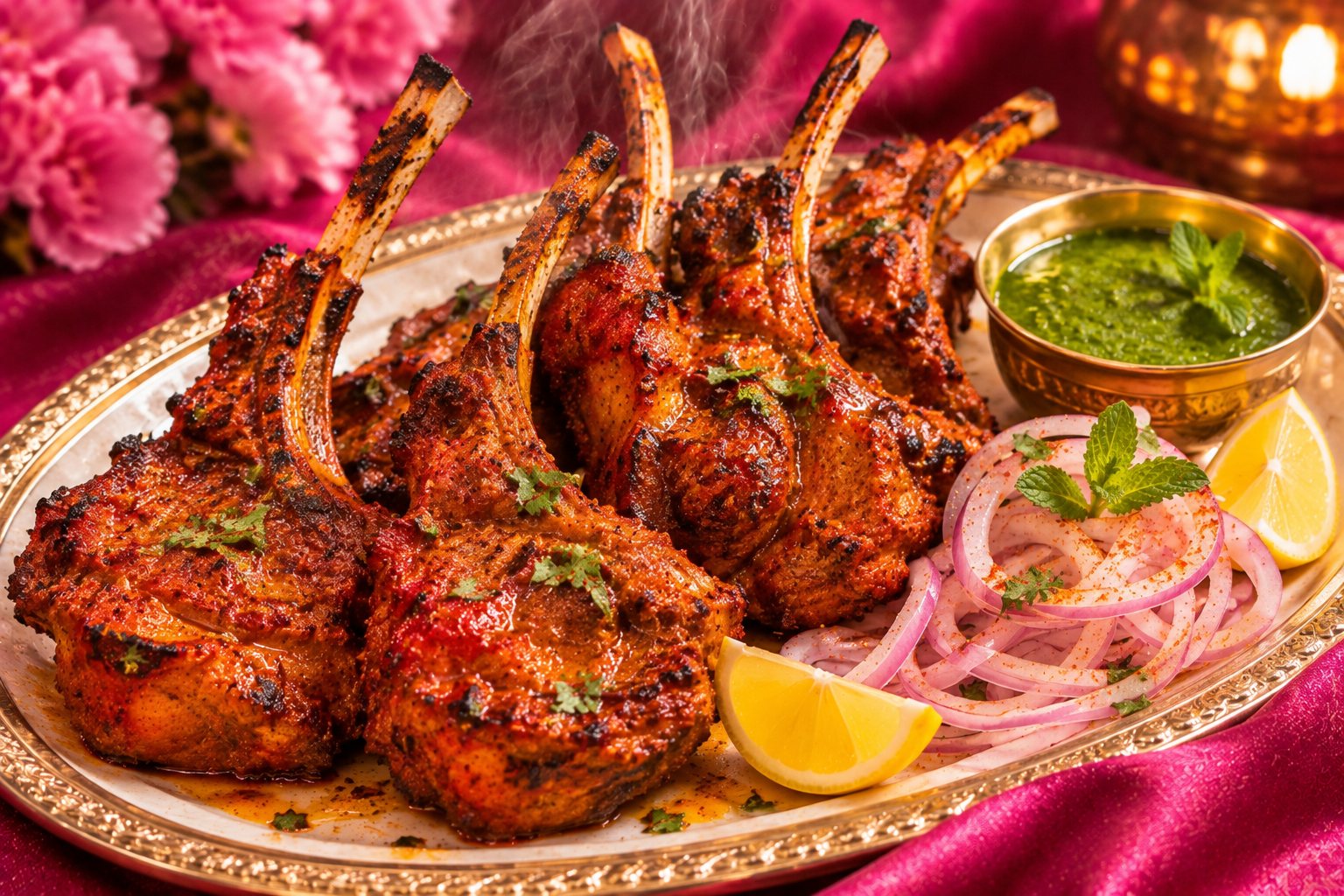
A tandoor is a tall, cylindrical clay oven, usually sunk into the ground or set in a brick-and-mud surround. A charcoal or wood fire burns at the bottom, and the thick clay walls soak up the heat until the inside of the oven is fiercely hot.
Breads like naan and tandoori roti are slapped straight onto the inner walls, where they puff and blister in a minute or two. Meat goes in on long metal skewers, cooked all at once by the glowing coals below, the radiant heat of the walls and the hot air rising through the oven. That combination is what gives tandoori food its smoky char outside and juicy inside.
Ovens of this kind go back thousands of years: remains of clay tandoors have been found at Indus Valley sites. For most of that history, though, the tandoor was a bread oven.
Tandoori chicken as we know it took shape in Peshawar in undivided Punjab, at a small restaurant called Moti Mahal, where Kundan Lal Gujral and his partners began cooking yogurt-marinated chicken in the bread tandoor. After Partition in 1947, Gujral, Kundan Lal Jaggi and Thakur Dass Magu moved to Delhi and reopened Moti Mahal in Daryaganj, and from there tandoori chicken spread around the world.
Most home kitchens don’t have a tandoor, so these recipes use a very hot oven, an air fryer or an Instant Pot air-fryer lid, with a final blast under the broiler for char.
Tandoori lamb chops (lamb chaap) are a restaurant favorite in Punjab and Pakistan: chops marinated in a spiced yogurt paste and cooked in the tandoor until charred.
The photo shows a traditional tandoor, the clay oven these dishes come from. At home, a very hot oven, an air fryer or a cast-iron pan gets you the char.
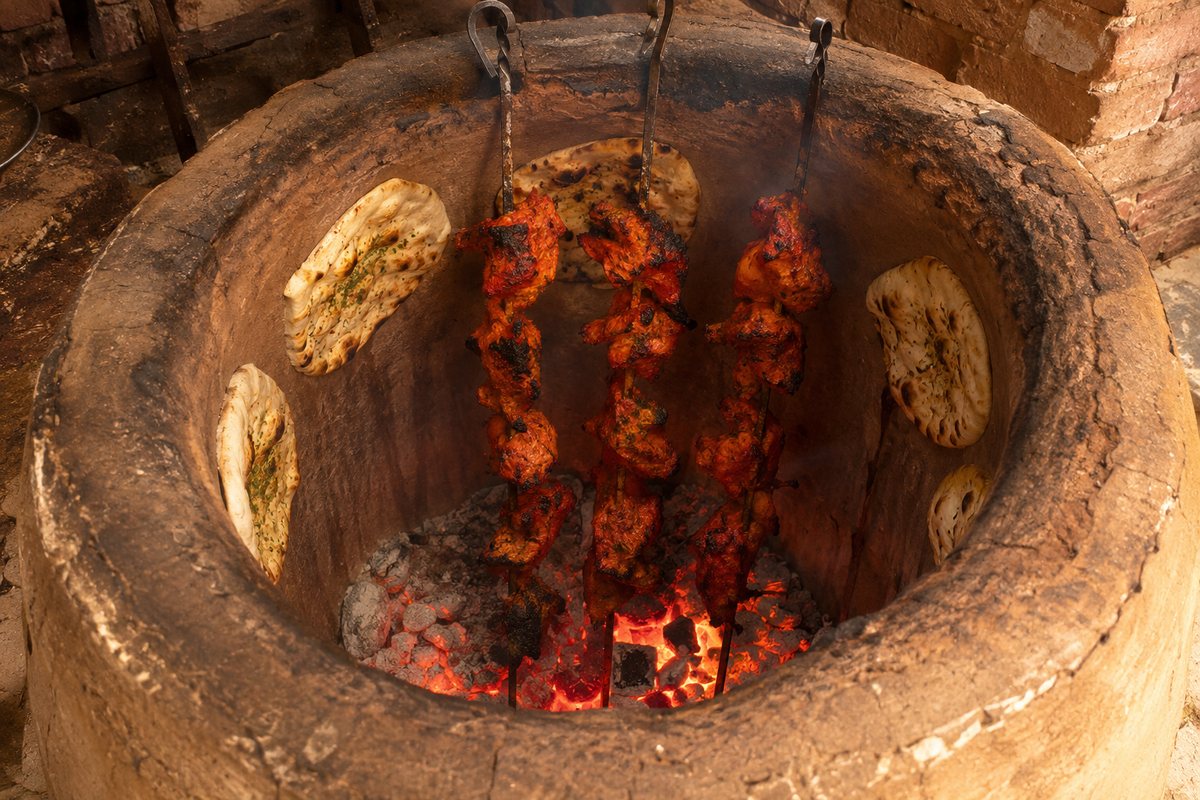
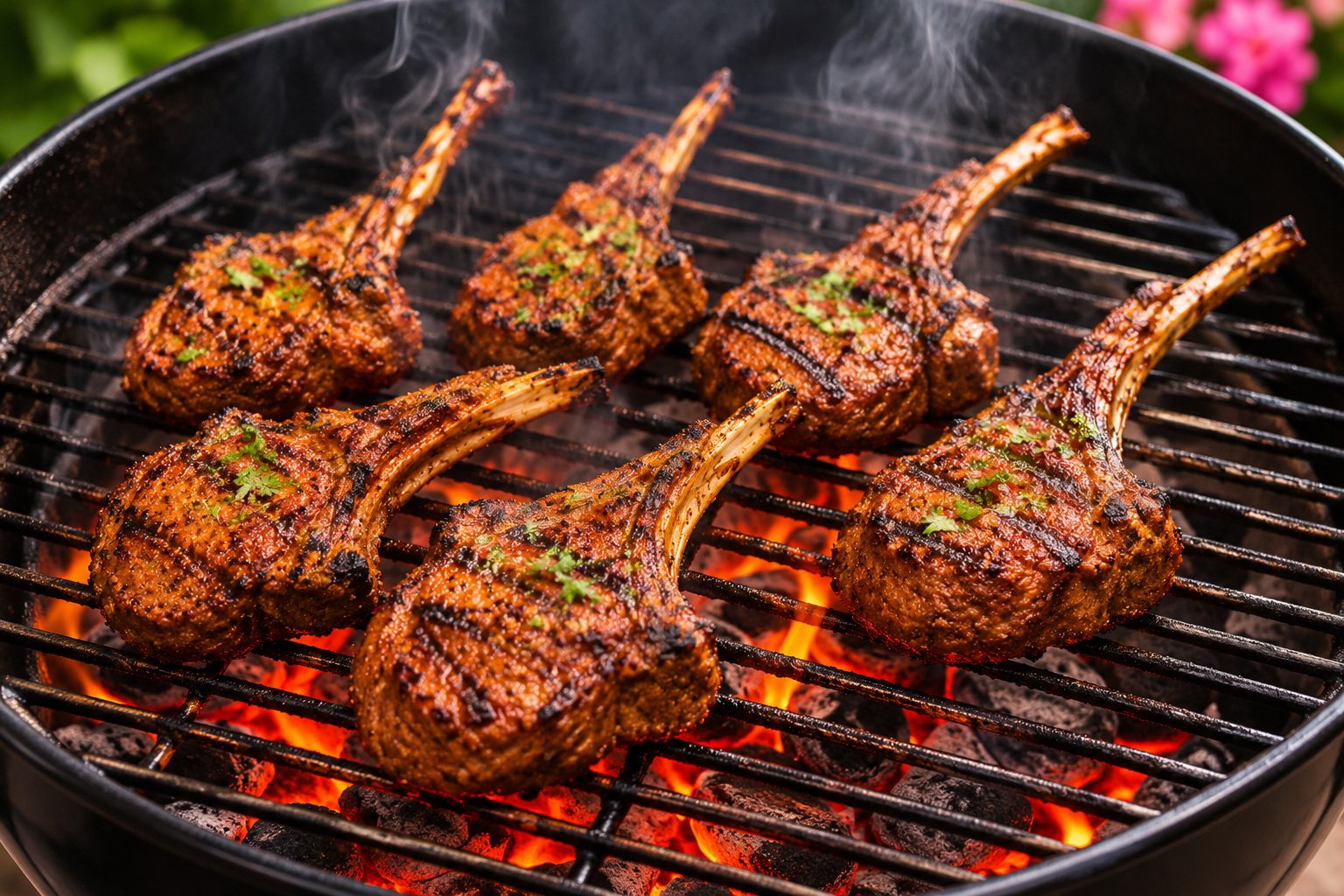
On a charcoal grill, sear the chops over high heat for 3–4 minutes a side until 145°F in the center, rest 3 minutes, then brush with the chaat masala butter.
The marinade ingredients, with their English, Hindi and Urdu names.
Lamb rib or loin chops, about 1 inch thick, trimmed of excess fat.
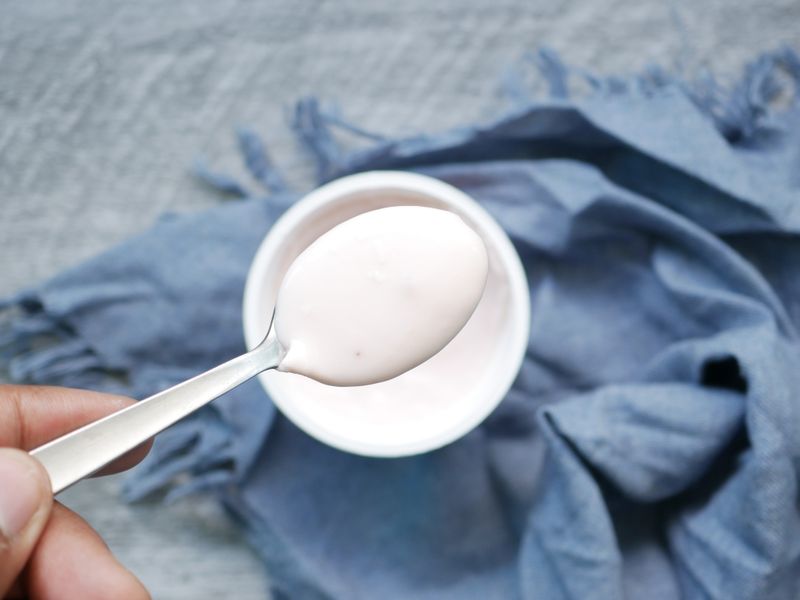
Plain whole-milk Greek yogurt, strained yogurt (hung curd) or sour cream.
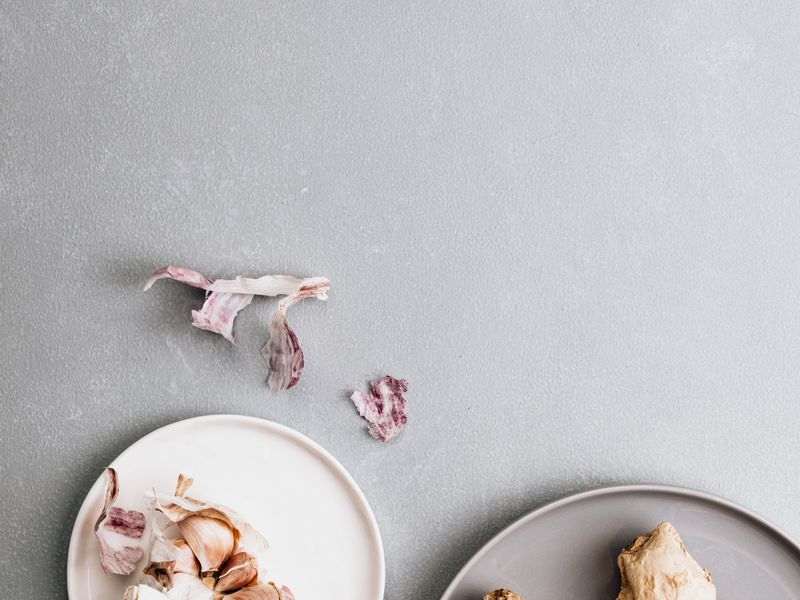
Fresh ginger and garlic ground together, or store-bought paste.
Tiny ridged seeds with a strong thyme-like flavor. Crush them lightly.
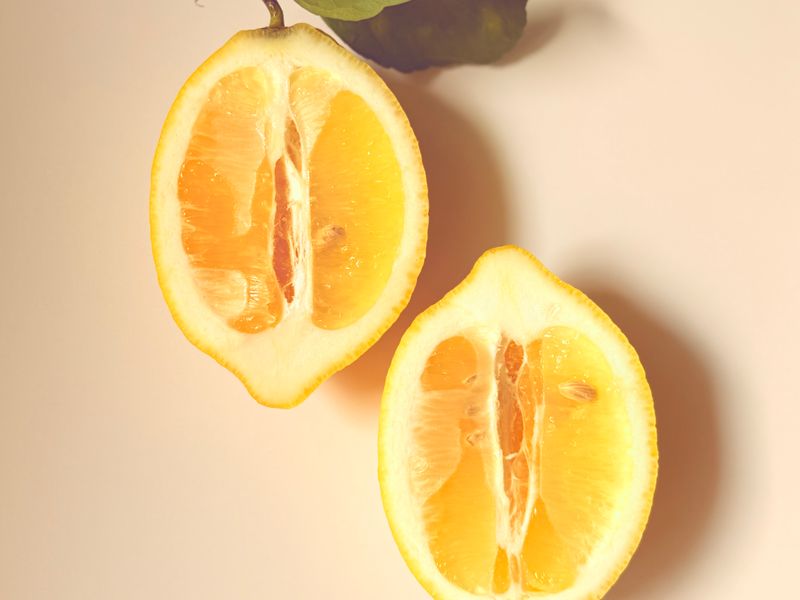
Freshly squeezed.
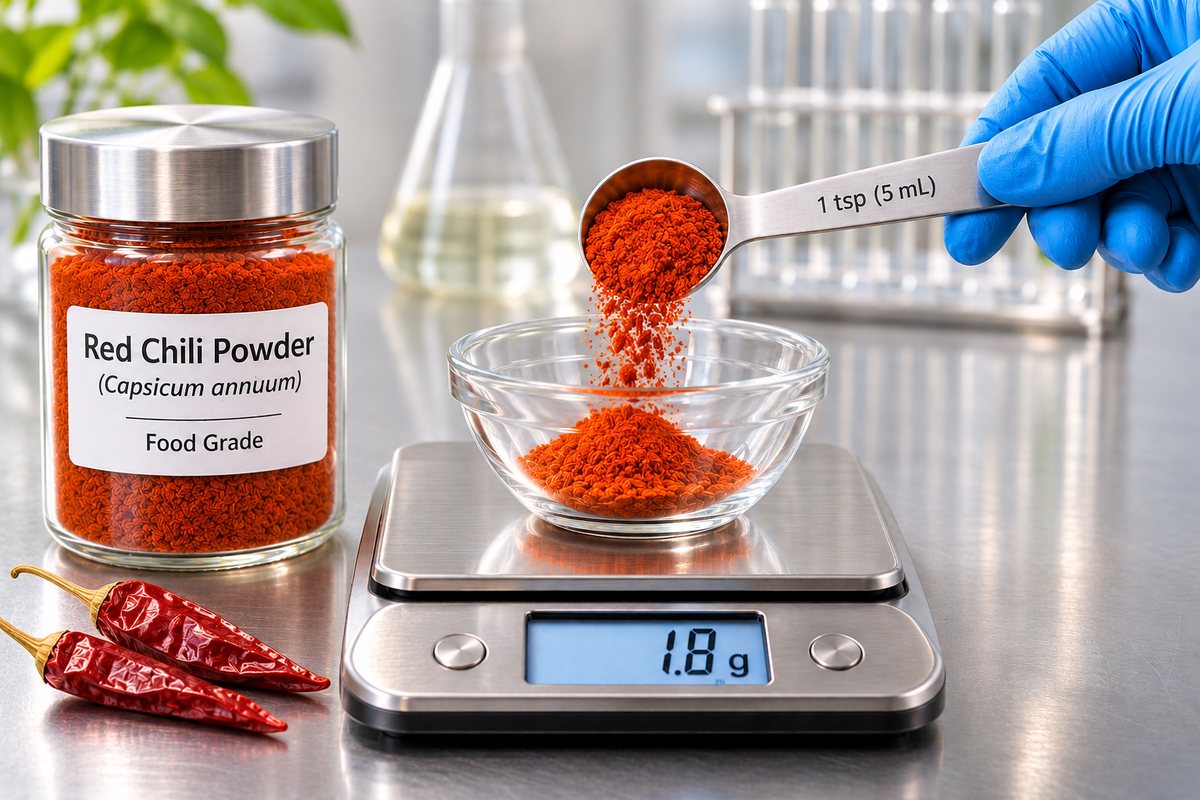
A mild, deep-red chili powder.
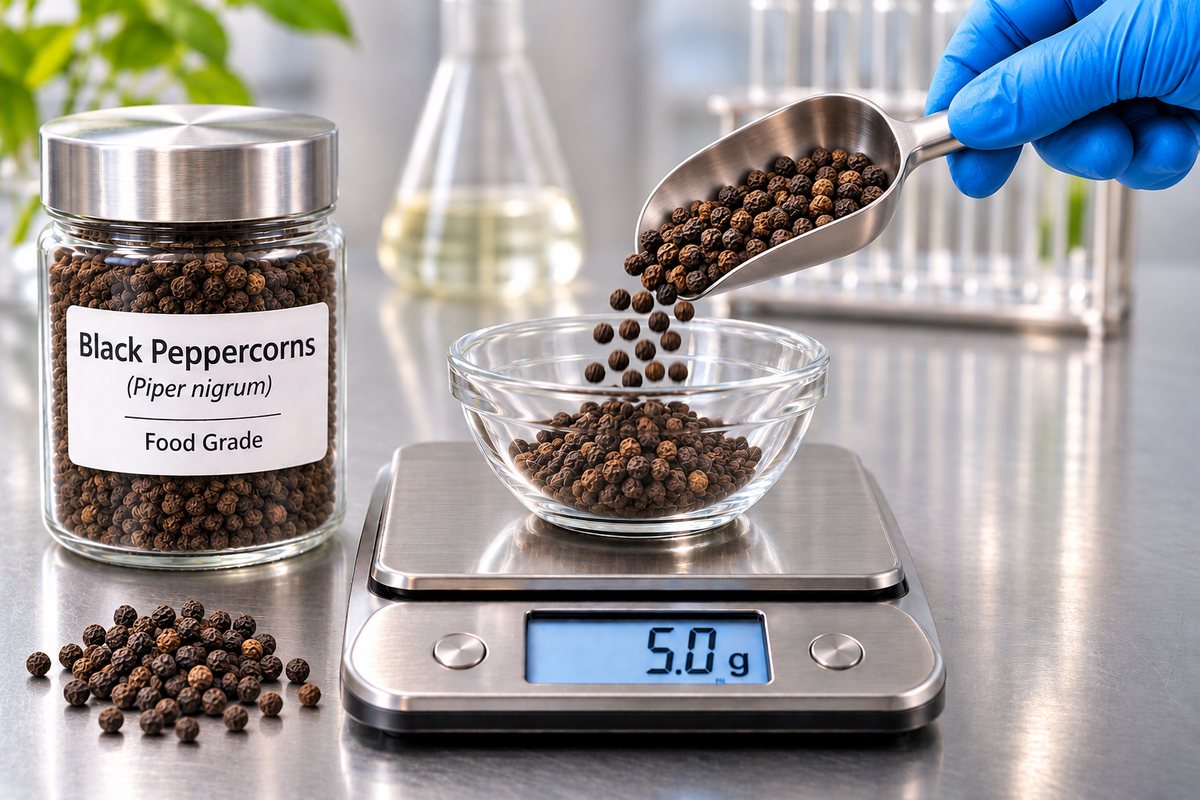
Freshly ground.
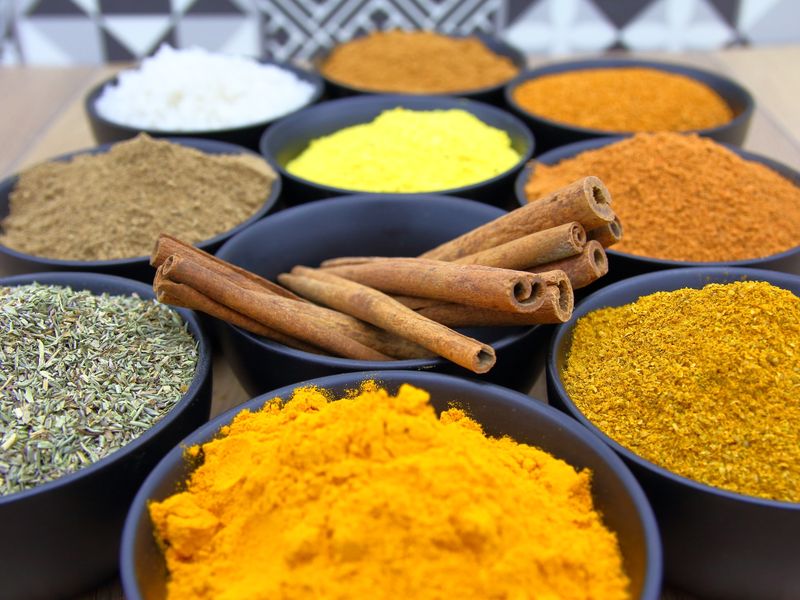
A ground blend of warming spices.
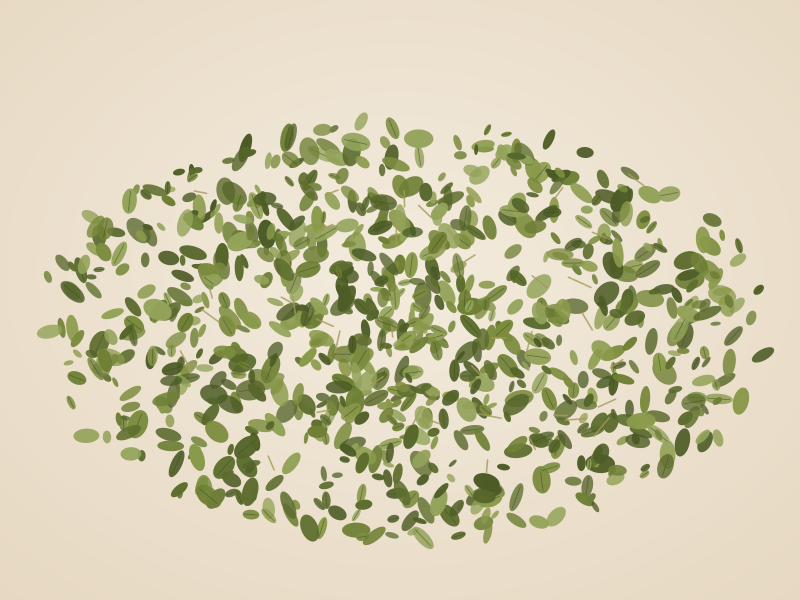
Dried fenugreek leaves, crushed between your palms.
Grow it yourself: Mint (pudina), Methi (fenugreek), Garlic, Ginger
Restaurant cooks do these things by habit. Here’s what each step is actually doing to the food, so you can cook by understanding instead of guesswork.
Marinate for 4–12 hours, not longer.
Lamb chops are already tender. The yogurt or sour cream and lemon only need to season and lightly soften the surface; much longer and the acid can turn the outside mushy.
Use thick yogurt or sour cream and shake off the excess.
Thick cultured dairy clings in an even layer. Its proteins and milk sugar brown quickly through the Maillard reaction, creating the charred, savory crust. Too thick a layer steams instead of browning, so shake off the extra.
Cook to 145°F (63°C), then rest 3 minutes.
USDA’s safe minimum for lamb chops is 145°F with a 3-minute rest. During the rest, the temperature keeps rising slightly and the juices settle back into the meat instead of running onto the plate. That gives a juicy, pink-centered chop; cook longer if you prefer it more done.
Leave space between the chops.
Crowded chops trap steam and turn gray. Space lets hot, dry air reach every side so the outside browns before the inside overcooks.
Exact amounts and timings are in the recipe card below.
What this dish brings to the table, with an honest rating of how strong the evidence is.
6.7 g protein per 100 calories. Estimated from the ingredients with USDA FoodData Central values.
Gym-friendly tip: Already high in protein. For a leaner plate, serve with salad and roti instead of rice, and use skinless thighs or breast.
Lamb is rich in protein and in heme iron, the form of iron the body absorbs most easily, plus vitamin B12.
Roasting or grilling lets much of the fat render out without added oil.
General nutrition information, not medical advice. Numbers marked “estimated” are calculated from the recipe’s ingredients and vary with brands and portions. If you have diabetes, heart or kidney disease, a food allergy, or are pregnant, ask your doctor or a registered dietitian how this dish fits your diet.
Fits these health goals: Iron-deficiency anemia, Building muscle and staying strong with age (general guidance, not medical advice)
Health sources: NIH Office of Dietary Supplements: Iron · National Cancer Institute: Chemicals in meat cooked at high temperatures and cancer risk · Dietary Guidelines for Americans
See the full ingredient health guide: benefits, traditional roots and the science →
Mint chutney, lachha onions and lemon wedges, with naan or roti, cucumber raita and a simple salad.
Yes, full-fat sour cream works the same way.
Rib chops (often sold as a rack you can cut) are the most tender; loin chops are meatier and also work well.
Lamb chops are safe at 145°F (63°C) with a 3-minute rest, according to USDA, which leaves them pink in the center.
Desi restaurant favorites, recreated at home and explained with food science: every recipe is tested in a home kitchen and comes with the why behind each step.
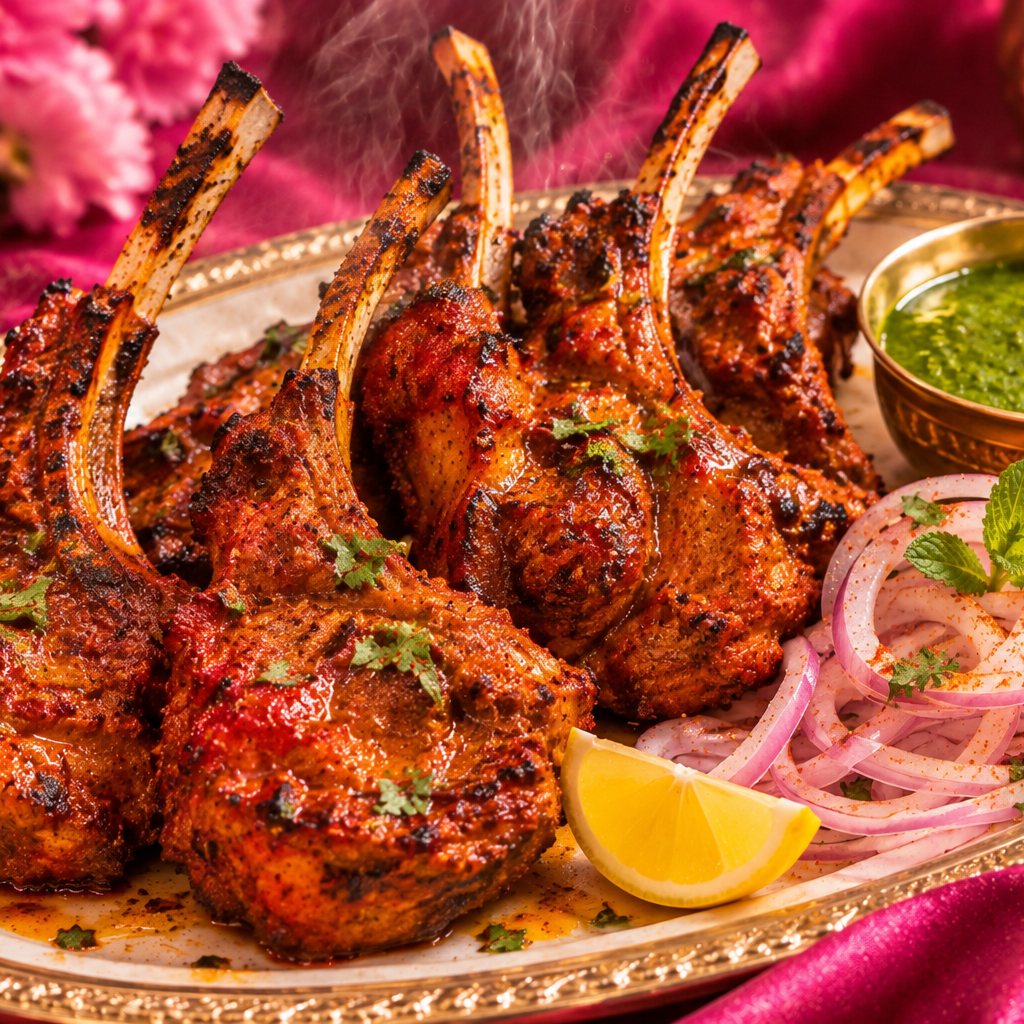
Tandoori lamb chops with a yogurt (or sour cream) marinade of ajwain, lemon, Kashmiri chili, black pepper, garam masala, kasuri methi and ginger-garlic, roasted hot until charred and juicy. With the tandoor’s backstory and the food science of doneness.
Air frying is the fastest way to char chops at home.
How much to make, based on 4 people eating it once a day. One batch of this recipe makes 4 servings (8 chops).
Why only a few days in the fridge? Refrigeration slows bacteria but doesn’t stop them; some, like Listeria, can still grow at fridge temperatures, which is why food-safety agencies set cooked leftovers at 3–4 days. Freezing at 0°F stops growth completely, so frozen portions stay safe indefinitely; the freezer times above are for best taste and texture.
Food-safety guidance: USDA, Leftovers and Food Safety · FoodSafety.gov storage chart