Science-backed recipe

Dal Makhani: Whole Urad, Rajma, Cream and Butter

Also called Butter Dal · Black Dal with Rajma · दाल मखनी · دال مکھنی

Whole black urad dal pressure-cooked in the classic Indian base until creamy, kidney beans folded in near the end, then a layer of cream and a finish of butter. The science explains where the creaminess comes from and why the beans and butter go in last.

In short

Dal makhani is whole black urad dal and rajma slow-cooked with butter and cream until velvety, the Punjabi wedding classic. This Instant Pot version gets there in a fraction of the time.

Active
1 hr 40 min
Soak
8 hrs
Total
9 hr 40 min
Serves
6
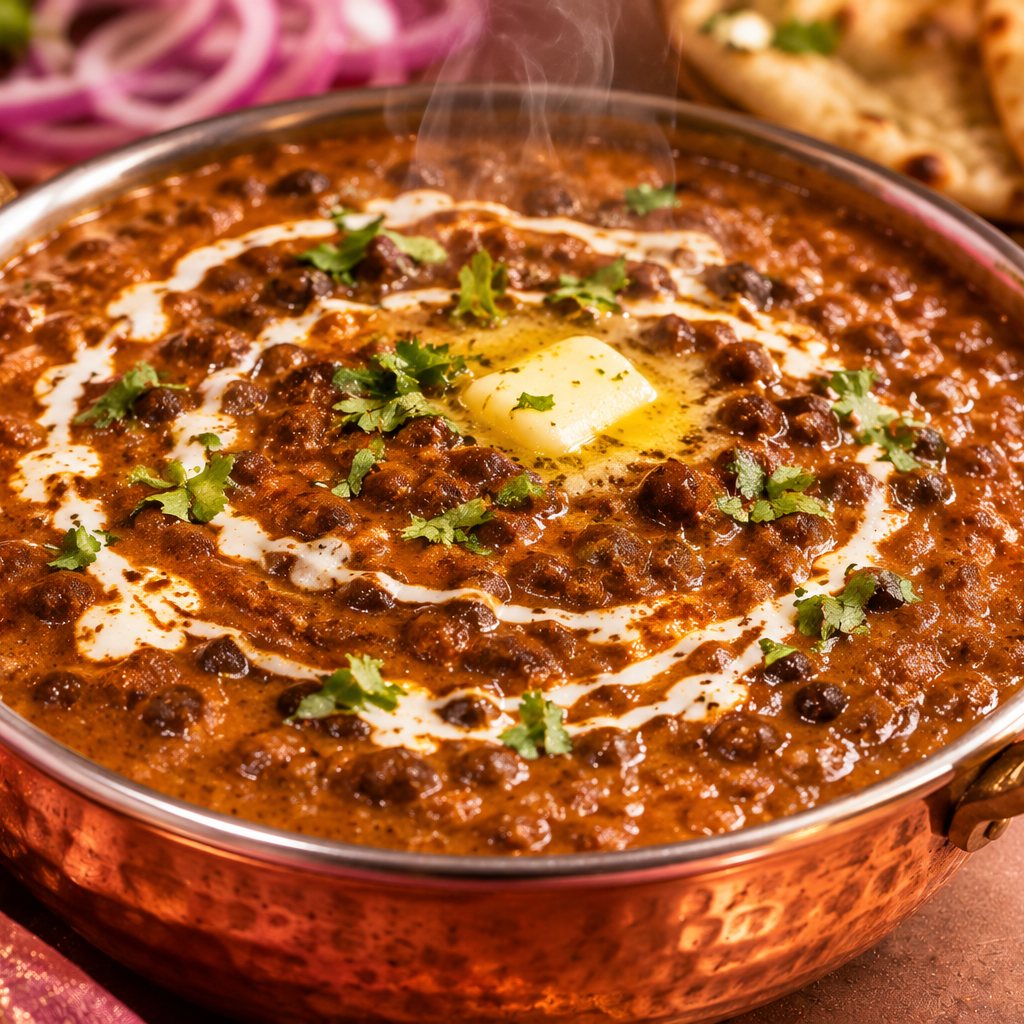
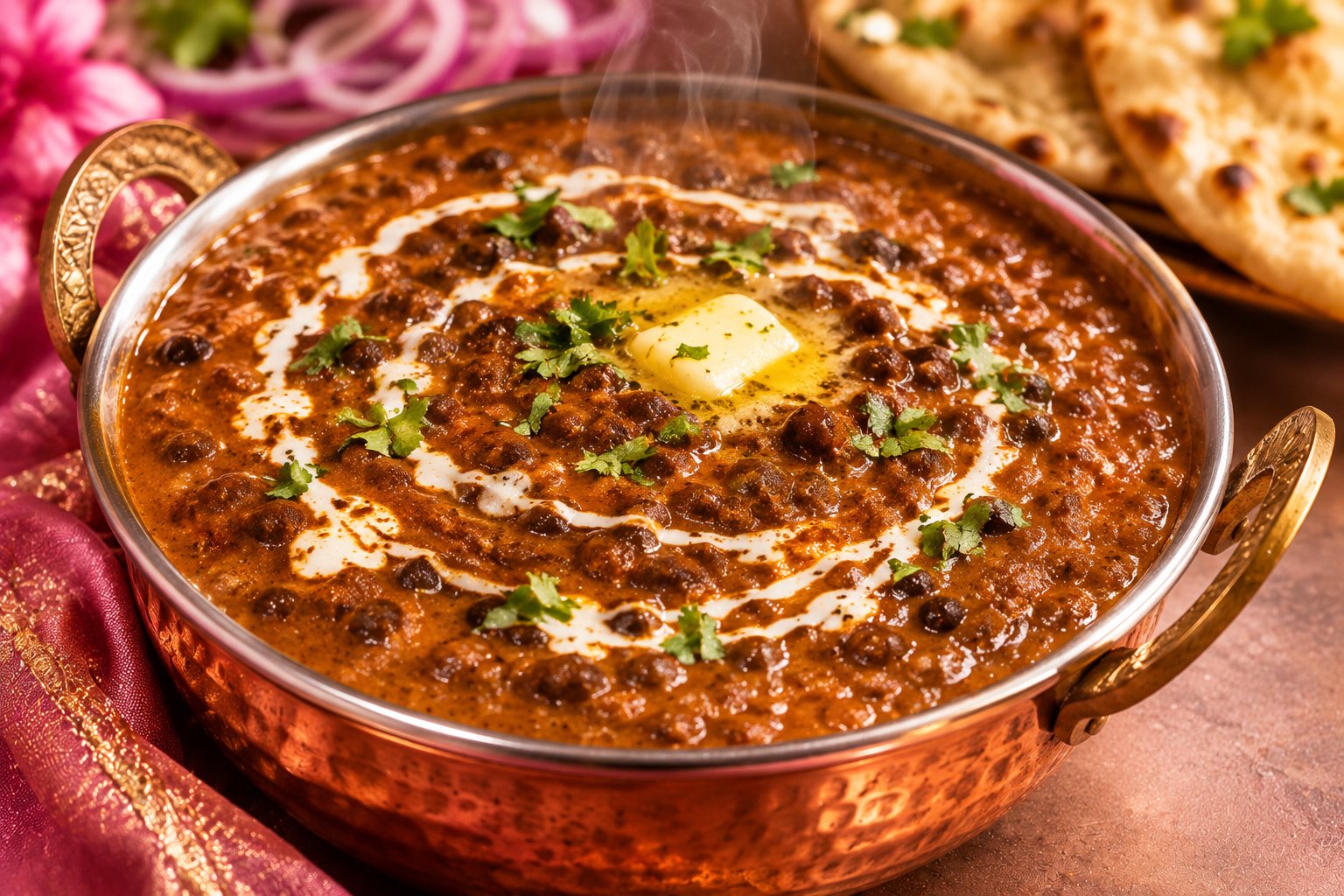
Dal makhani in a copper handi with a cream swirl, a melting cube of butter and cilantro, with naan and sliced onion behind

Why this recipe works

  • ✓
    Built on the Indian baseCumin, onions, ginger-garlic, spices, tomatoes and garam masala, in the standard order.
  • ✓
    Creamy in about an hourPressure cooking does what the traditional slow simmer does over many hours.
  • ✓
    Rajma that stays wholeCanned kidney beans go in near the end, so they hold their shape.
  • ✓
    Butter lastAdded at the end, the butter tastes fresh and makes the dal glossy.

What is dal makhani?

Dal makhani (“buttery dal”) is the slow-cooked black lentil dish of Punjab: whole black urad dal, usually with some red kidney beans (rajma), simmered with butter and cream until thick, velvety and deeply savory.

This version builds the dal on the standard Indian base, cooks the soaked urad dal under pressure in the Instant Pot, adds canned rajma close to the end because it’s already cooked, and finishes with a layer of cream and a knob of butter.

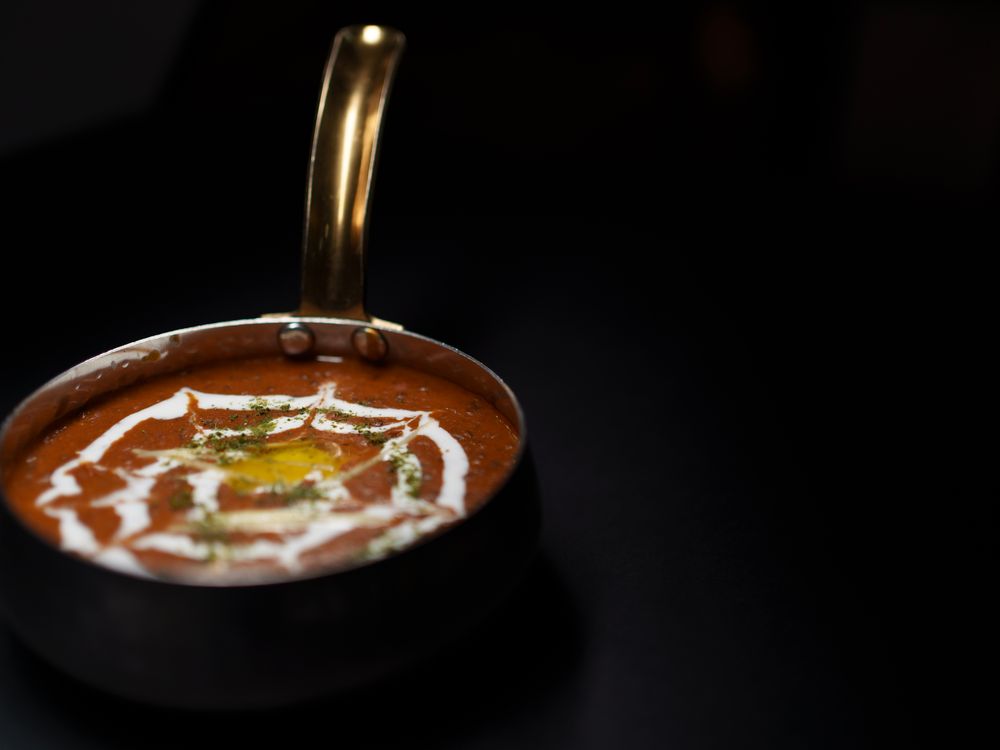
A dark, creamy lentil curry in a brass pan, garnished with cream

Meet the ingredients

The main ingredients, with their English, Hindi and Urdu names. The base ingredients are explained on the Indian base page.

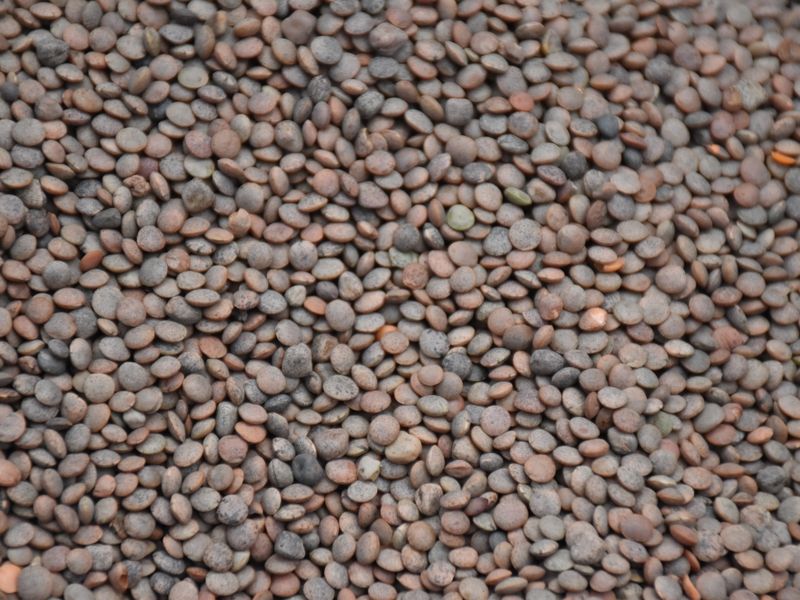
Small, dark whole lentils

Whole black urad dal

साबुत उड़दثابت ماش
sābut uṛad · sābut māsh

Small, matte-black whole lentils (black gram) with a white inside. Look for “whole urad,” “sabut urad” or “black matpe beans,” not the split or white (skinned) kind.

Its job: The heart of the dish. Its skins give the dark color, and its starch makes the dal creamy.
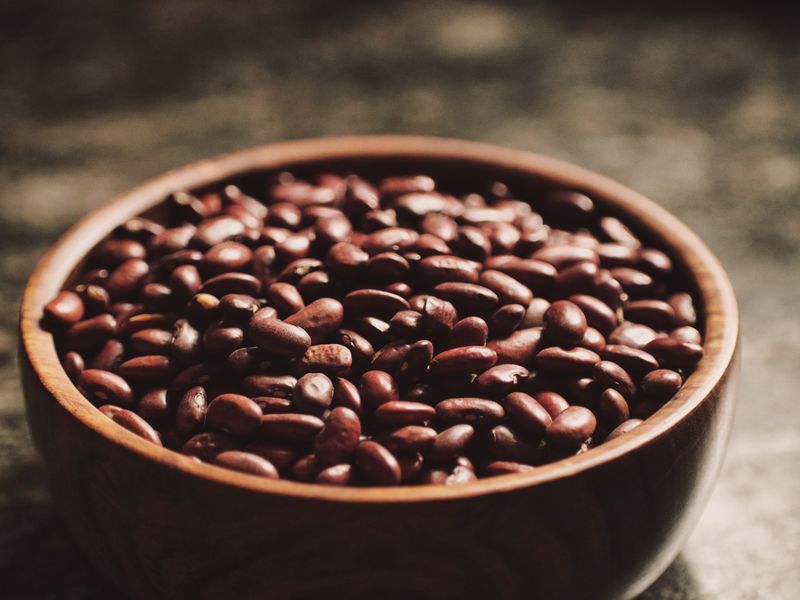
A wooden bowl of red kidney beans

Red kidney beans (canned)

राजमाلال لوبیا
rājmā · lāl lobiyā

One 15.5-oz can of red kidney beans, drained and rinsed.

Its job: Body and a meaty bite. Already cooked, so they only need time to soak up flavor.
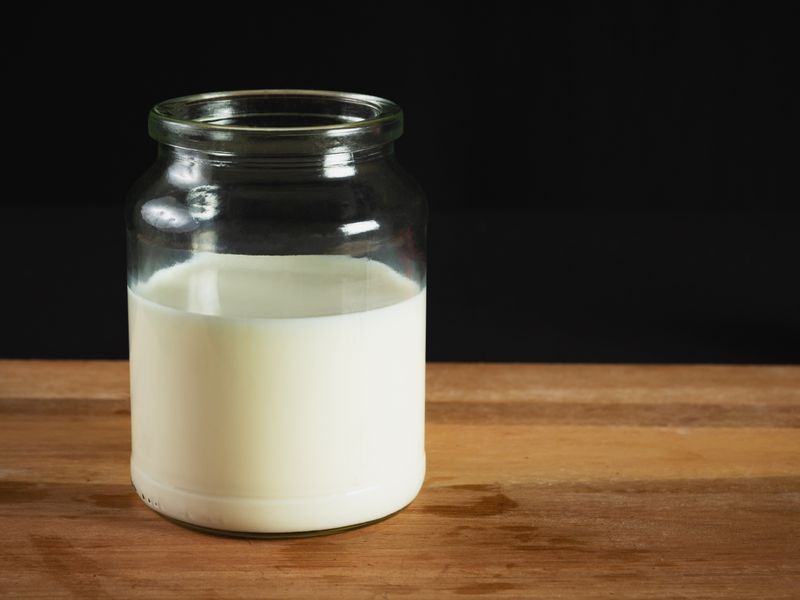
A glass jar of cream

Cream or half-and-half

मलाईملائی
malāī

Heavy cream for the richest result, or half-and-half for a lighter one.

Its job: A silky layer that rounds out the spice and the tomato’s tang.
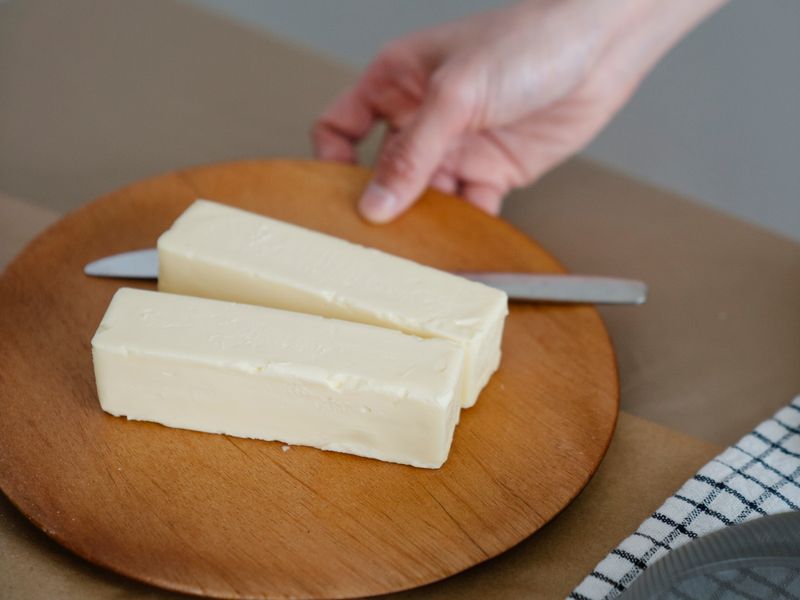
A block of butter on a wooden plate

Butter

मक्खनمکھن
makkhan

Unsalted butter.

Its job: The “makhani” (buttery) finish: richness, gloss and a fresh dairy aroma.
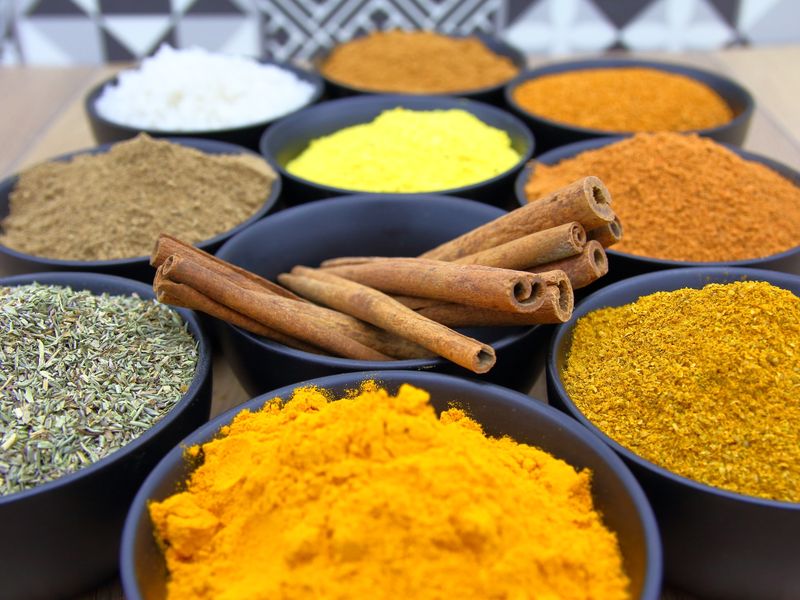
Bowls of Indian spices with cinnamon sticks, the warm spices that go into garam masala

Garam masala

गरम मसालाگرم مصالحہ
garam masālā

A ground blend of warming spices.

Its job: Stirred in at the end of the base for warmth and aroma.
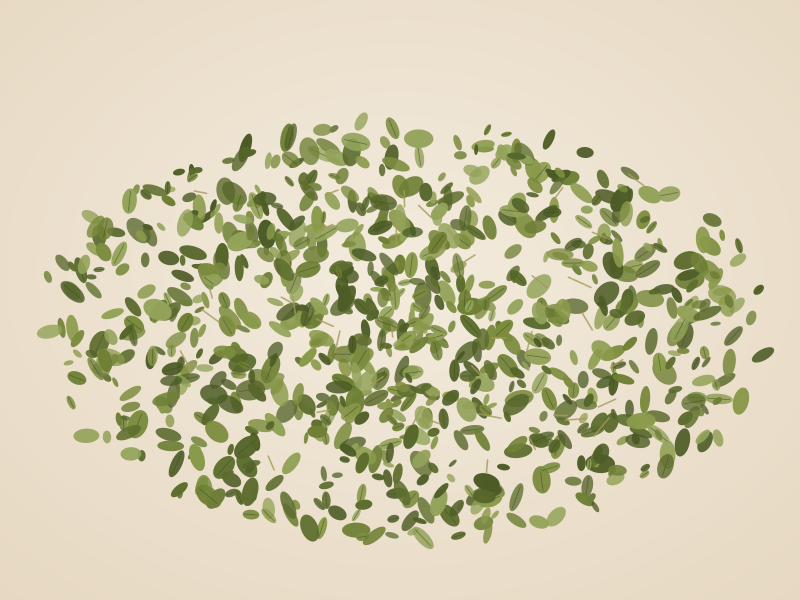
Illustration of crumbled dried fenugreek leaves (kasuri methi)

Kasuri methi (optional)

कसूरी मेथीقصوری میتھی
kasūrī methī

Dried fenugreek leaves.

Its job: A restaurant-style aroma, crushed in at the end.
The lab notes

The science behind every step

Restaurant cooks do these things by habit. Here’s what each step is actually doing to the food, so you can cook by understanding instead of guesswork.

Lab note01

Soak the urad dal, with salt

Soak the dal in plenty of water with 1 tsp salt for 8 hours or overnight.

Whole urad has a tough skin. Soaking lets water reach the center before cooking, so the dal cooks evenly and faster. Salt in the soak helps too: America’s Test Kitchen found that sodium replaces some of the calcium and magnesium holding the pectin in bean skins together, so the skins soften and are less likely to burst.

Lab note02

The base comes first, and the dal still softens

Cook the full Indian base, then add the soaked dal and water and pressure cook for 30 minutes.

Acid from tomatoes slows the softening of beans and lentils, because it keeps the pectin in their cell walls from breaking down; that’s why some cooks boil dal separately. Here the dal cooks in the base for more flavor, so it gets a soak, plenty of water and a full 30 minutes at high pressure, where the Instant Pot runs at about 239–244°F (115–118°C) instead of water’s usual 212°F (100°C). The extra heat makes up for the acid’s slowing effect.

Lab note03

Where the creaminess comes from

After pressure cooking, mash some of the dal against the side of the pot and simmer.

Whole urad dal is rich in starch, and as it cooks, starch leaks out of the lentils and thickens the liquid. Mashing a portion of the dal releases more of it, so the dal turns velvety without any flour or cornstarch. That, more than the cream, is what makes dal makhani creamy.

Lab note04

Let the pressure release naturally

Leave the pot for at least 15 minutes before releasing any remaining pressure.

Lentils and beans foam as they cook. A quick release can spray that foam through the steam valve, and the sudden pressure drop makes the liquid boil violently. A natural release lets the pot settle while the dal keeps cooking gently in the retained heat.

Lab note05

Rajma goes in near the end

Add the drained canned kidney beans after pressure cooking and simmer for 10 minutes.

Canned beans are already fully cooked; another 30 minutes under pressure would turn them to mush. A short simmer heats them through and lets them absorb the gravy’s flavor. Rinsing removes the salty, starchy canning liquid.

Lab note06

Cream as a layer, at the end

Turn the heat to low, pour the cream over the top and stir it through gently. Don’t boil it hard afterward.

Dairy can curdle in a hot, acidic tomato gravy. Heavy cream, with at least 36% fat, has little curd-forming protein and lots of protective fat, so it stays smooth. Half-and-half has less fat and more protein, so keep the heat low once it’s in.

Lab note07

Butter last, for flavor

Stir in the butter just before serving.

Butter’s fresh, sweet dairy aroma comes from volatile compounds that cook off with long heating. Added at the end, it melts into the dal as a glossy, rich finish with its aroma intact. That’s why the base is cooked mostly in oil and most of the butter is saved for last.

Lab note08

It thickens as it stands

Turn off the heat when the dal is slightly looser than you want.

As it cools, the starch in the dal sets and it thickens noticeably. Stir in a little hot water when reheating.

Technique, step by step

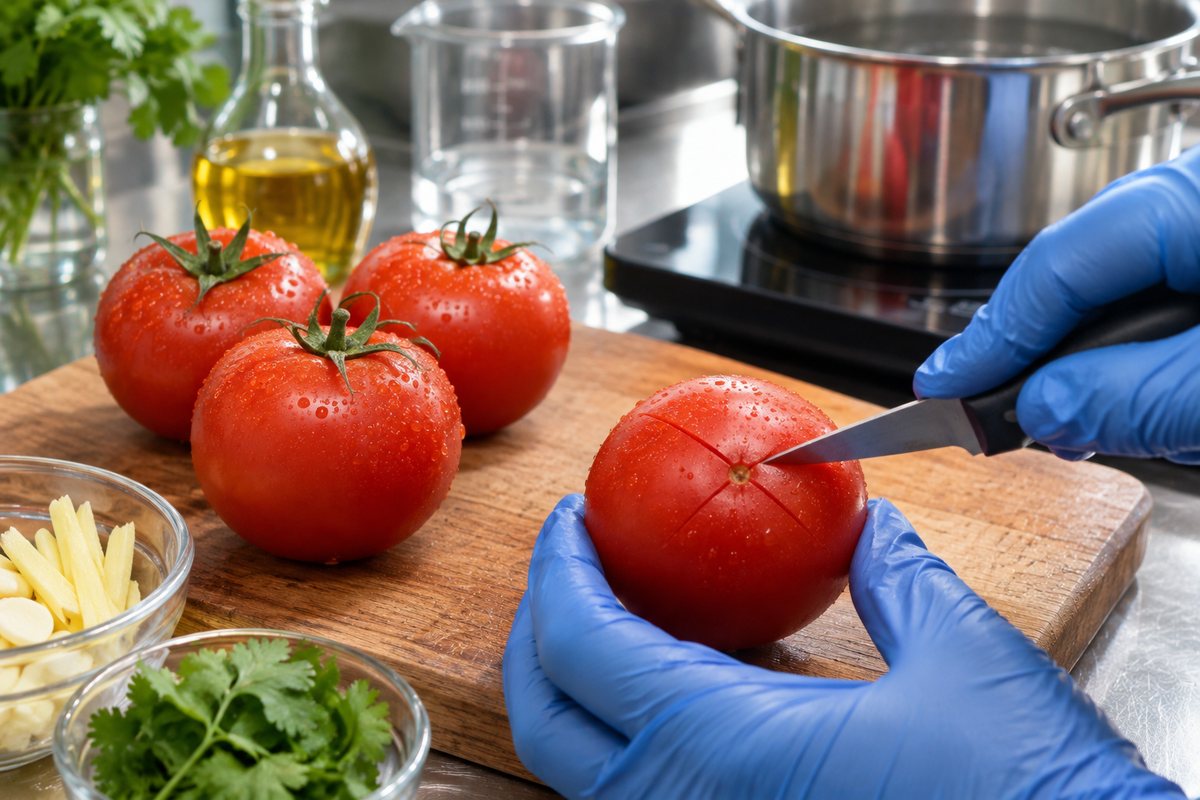
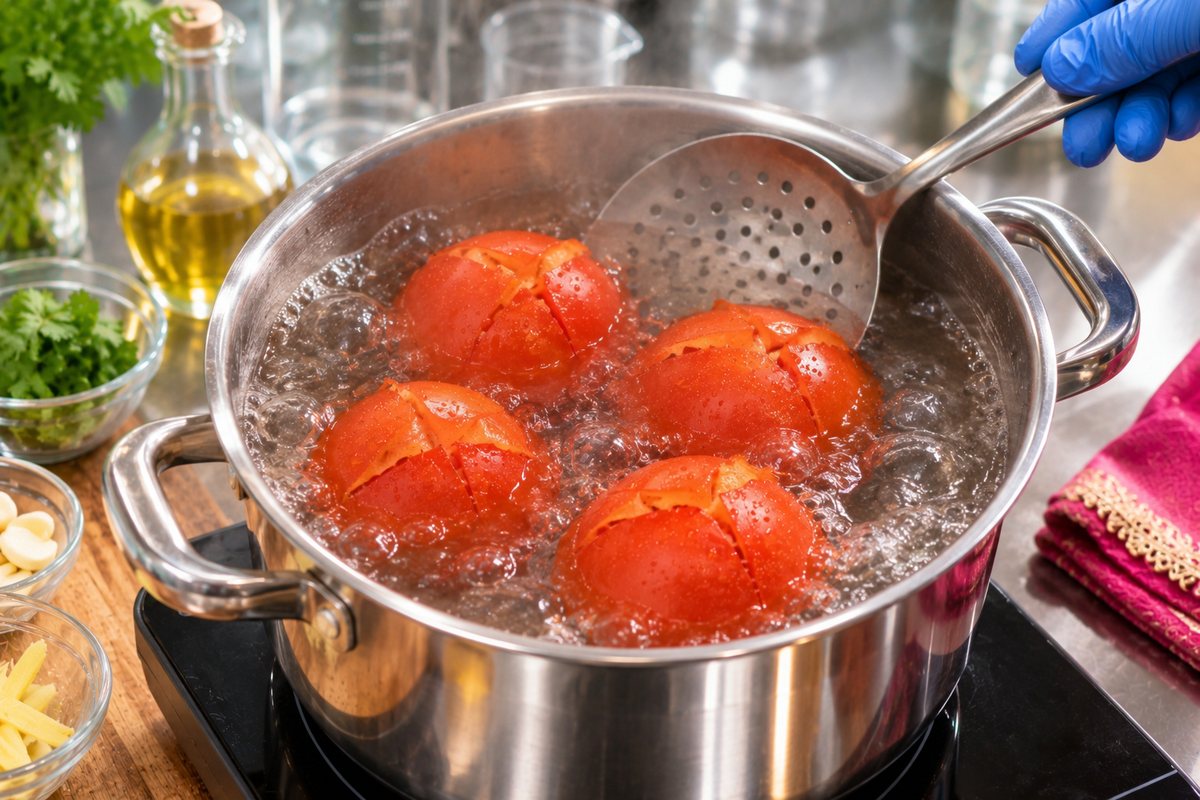
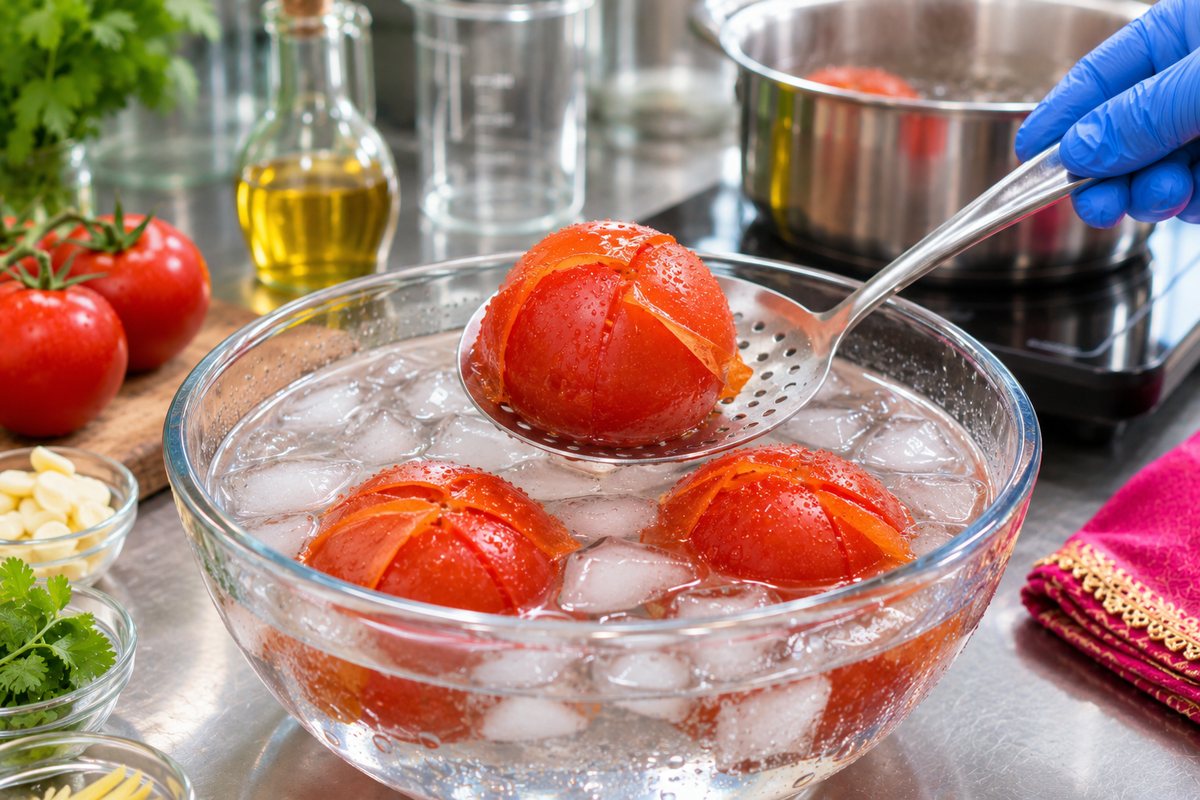
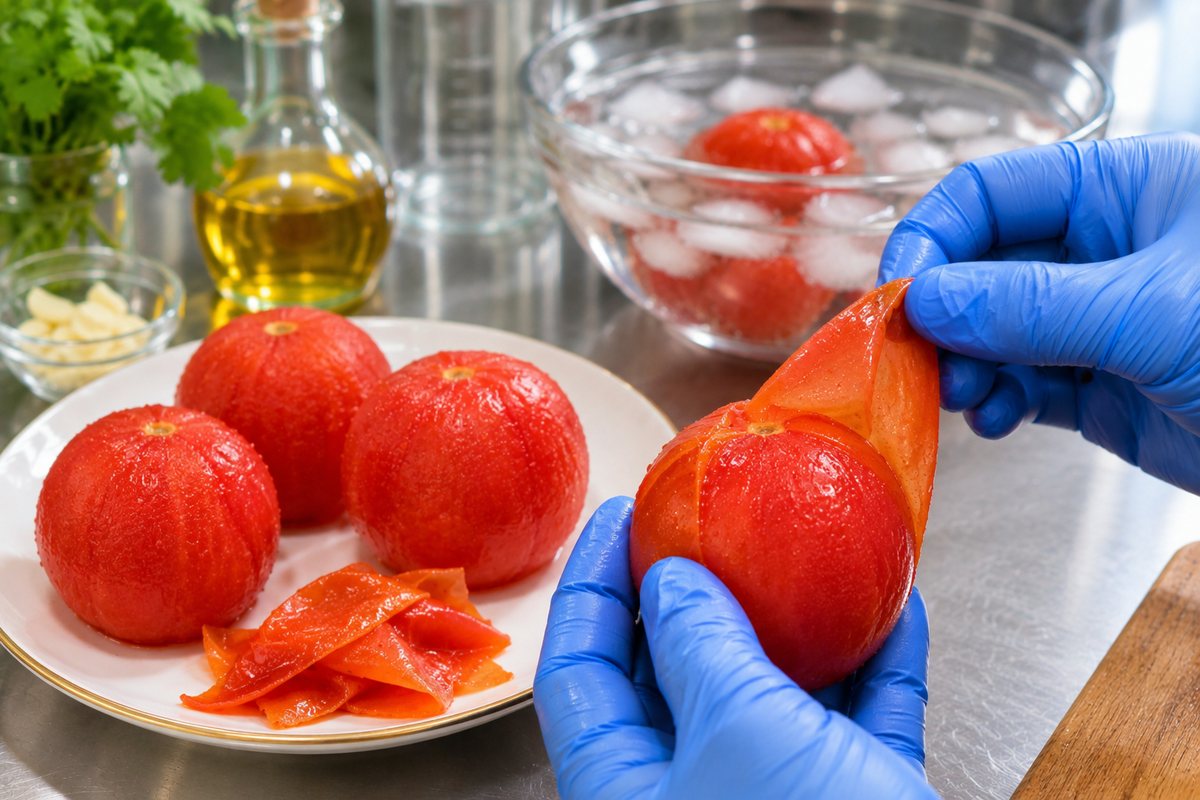
How to peel tomatoes, the food-science way

Score, blanch for 30–60 seconds, chill in ice water, and the skins slip right off. Peeled tomatoes cook into a smoother, silkier masala with no chewy flecks of skin.

  1. Scoring a shallow X on the bottom of a ripe tomato with a paring knife
    1. ScoreCut a shallow X through the skin on the bottom of each tomato.
  2. Scored tomatoes in boiling water with the skins starting to split at the X
    2. BlanchLower the tomatoes into rolling boiling water (a saucepan, or the Instant Pot on Sauté, More/High) for 30–60 seconds, just until the skin at the X starts to split.
  3. Blanched tomatoes going into an ice-water bath with their skins loosened
    3. ChillLift them straight into a bowl of ice water for about 1 minute.
  4. Slipping the loosened skin off a blanched tomato
    4. PeelStarting at the X, slip the skins off with your fingers. Cut out the core, then chop or blend.

Why peel at all?

Tomato skin is a tough, waxy layer that doesn’t break down with cooking; in a long-cooked masala it curls into chewy flecks. The skin is also where almost all of a tomato’s flavonoids sit, mainly naringenin chalcone and rutin, the kind of plant compounds that can taste faintly bitter or astringent. Texture is the bigger, better-proven reason, but peeled tomatoes give the smoothest, cleanest-tasting gravy.

Why the boiling water works

A short plunge heats only the outer layer. The heat weakens the pectin that glues the skin to the flesh, and steam forming underneath pushes the skin away, so it splits and curls back at the X while the flesh inside stays raw and firm.

Why the ice bath

Ice water stops the cooking at once, so the flesh doesn’t turn soft and mushy, and makes the tomatoes cool enough to peel right away. More than about a minute in the boiling water starts to cook the flesh.

Sources: National Center for Home Food Preservation: Put It Up! Boiling Water Canning · Muir et al., Nature Biotechnology (2001): flavonoids in tomato peel

How to make it, at a glance

  1. Soak the dalRinse the urad dal, then soak it in plenty of water with 1 tsp salt for 8 hours or overnight. Drain and rinse.
  2. Bloom the cuminSelect Sauté (More/High). Heat the oil and the optional butter, add the cumin seeds and let them sizzle for 20–30 seconds.
  3. Brown the onionsAdd the onions and cook, stirring often, until deep golden, 12–15 minutes.
  4. Ginger-garlic, then spicesStir in the ginger-garlic paste for 1–2 minutes, then the salt, chili powder and turmeric for 30 seconds.
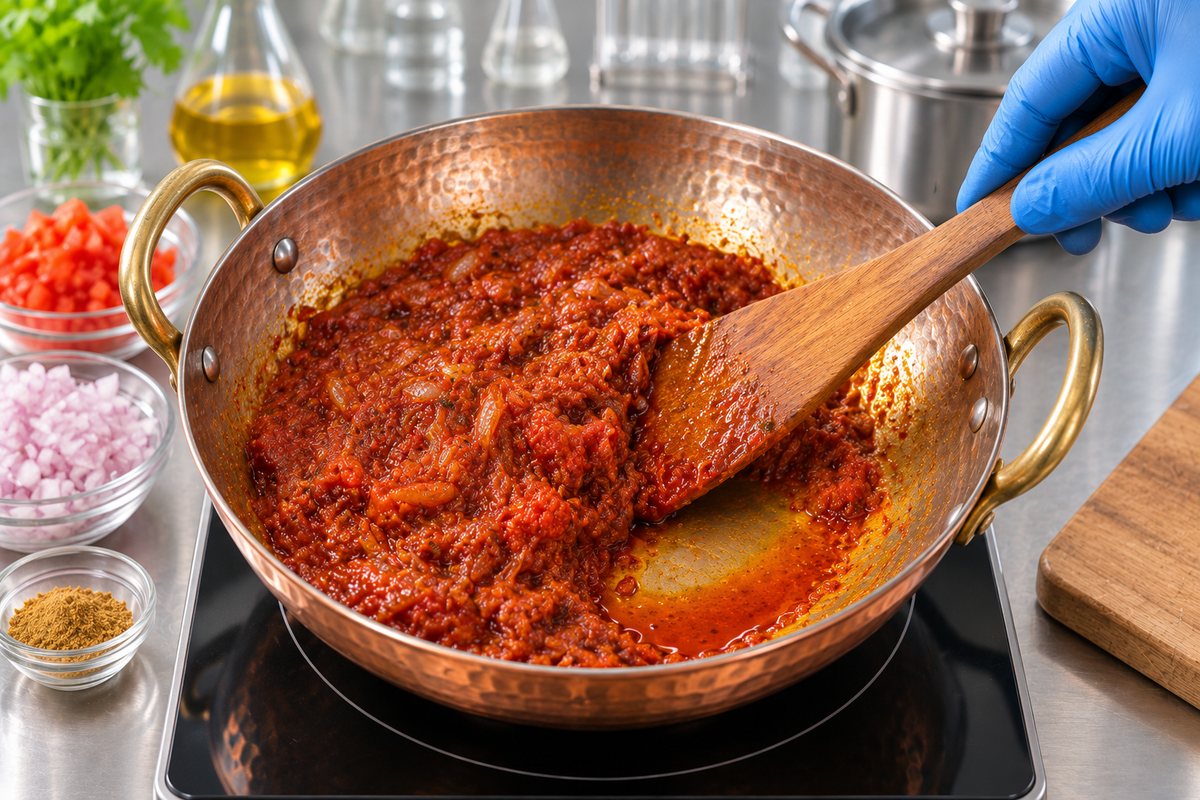
  5. Tomatoes, then garam masalaAdd the tomatoes and cook until thick and the oil separates, 8–10 minutes. Stir in the garam masala for 30 seconds, then press Cancel.
    Onion-tomato masala cooked until the oil separates at the edges of the kadai
  6. Pressure cook the dalAdd the drained dal and 3 cups water and scrape the bottom of the pot clean. Lock the lid, set the valve to Sealing and pressure cook on High for 30 minutes. Let the pressure release naturally for at least 15 minutes, then release the rest.
  7. Add the rajmaCheck that the dal crushes easily between your fingers; if not, pressure cook 5–10 minutes more. Mash some of the dal against the side of the pot, add the kidney beans and simmer on Sauté (Less/Low), stirring often, for 10 minutes. Add hot water if it gets too thick.
  8. Cream and butterCrush in the kasuri methi if using. Pour the cream over the top in a layer and stir it through gently, then add the butter. Taste for salt and serve with naan, roti or rice, with an extra swirl of cream on top.

Exact amounts and timings are in the recipe card below.

Health & nutrition

Health benefits, honestly rated

What this dish brings to the table, with an honest rating of how strong the evidence is.

Macros per serving

Calories370
Protein14 g
Carbs38 g
Fat19 g
Fiber10 g
Sodium500 mg

3.8 g protein per 100 calories. Estimated from the ingredients with USDA FoodData Central values. Rice or naan not included.

Gym-friendly tip: Serve with ¾ cup plain Greek yogurt as raita (about +16 g protein) or stir 100 g cubed paneer into the finished dal (about +18 g).

Well established

Two pulses, lots of fiber and protein

Whole urad dal and kidney beans together give this dal plenty of fiber and plant protein, plus iron and folate.

Some evidence

Pulses and heart health

Diets rich in pulses are linked with lower LDL cholesterol, and their slow-digesting starch keeps blood sugar steadier.

Well established

Iron, with a vitamin C boost

Lentils and beans provide plant iron; tomatoes in the base, or a squeeze of lemon, add vitamin C to help absorb it.

Keep in mind

  • Cream and butter make this the richest dal on the site, at roughly 7–8 g of saturated fat per serving (estimated). The lighter version in the notes cuts that by about half.
  • Contains dairy.

General nutrition information, not medical advice. Numbers marked “estimated” are calculated from the recipe’s ingredients and vary with brands and portions. If you have diabetes, heart or kidney disease, a food allergy, or are pregnant, ask your doctor or a registered dietitian how this dish fits your diet.

Fits these health goals: Bone health and osteoporosis, Celiac disease (gluten-free) (general guidance, not medical advice)

Health sources: Harvard T.H. Chan School of Public Health: Legumes and pulses · Dietary guidance for pulses (Annals of the New York Academy of Sciences, 2017) · NIH Office of Dietary Supplements: Iron · Dietary Guidelines for Americans

Questions, answered

Dal makhani vs dal tadka: what’s the difference?

Dal makhani is whole black urad and kidney beans simmered with butter and cream. Dal tadka is usually yellow split lentils (toor or moong) finished with a spiced ghee tempering. Dal makhani is richer and takes longer.

Can I use dried rajma instead of canned?

Yes. Soak ⅓ cup dried kidney beans with the urad dal and pressure cook them together. Dried red kidney beans must be cooked thoroughly: undercooked ones contain a natural lectin that causes stomach upset, which full cooking destroys.

Why isn’t my dal creamy?

It needs more cooking or more mashing. Simmer a few minutes longer on Sauté and mash part of the dal; the starch it releases is what thickens it.

Can I make it without cream?

Yes. Mash a little more of the dal and finish with butter only. It will be less rich but still creamy.

Is it the same as maa ki dal?

They’re close cousins. Maa ki dal is the everyday Punjabi black dal, usually with less butter and no cream; dal makhani is the richer, restaurant-style version.

About MedRise Food Science

Desi restaurant favorites, recreated at home and explained with food science: every recipe is tested in a home kitchen and comes with the why behind each step.

Meal prep

Meal prep: feeding 4 for the week

How much to make, based on 4 people eating it once a day. One batch of this recipe makes 6 servings.

Tonight1× the recipe4 servingsHeavy cream or half-and-half: ½ cupOne batch is enough.
Days 1–43× the recipe16 servings, kept in the fridgeHeavy cream or half-and-half: 1½ cups
Days 1–7, the whole week5× the recipe28 servings: fridge for the first days, freezer for the restHeavy cream or half-and-half: 1 quart (you need 2½ cups)
  1. Cook onceOn prep day, make the recipe at 5× (use the button above to scale every amount). Big pots take longer to come to a boil and to reduce, so allow extra time; an Instant Pot should be filled no more than halfway for beans and lentils, or two-thirds for other dishes, so cook in rounds if needed.
  2. Cool it fastDivide the food into shallow containers so it cools quickly, and refrigerate within 2 hours of cooking.
  3. Split fridge and freezerKeep days 1–4 in the fridge. Freeze the rest in single-meal portions labeled with the date.
  4. Thaw the night beforeMove the next day’s portion from the freezer to the fridge the night before. Reheat until steaming hot all the way through (165°F / 74°C).
Fridge
Up to 4 days
Freezer
Freezes well for 2–3 months; freeze it before the cream and butter.
Milk and cream for the whole week
Heavy cream or half-and-half: 1 quart (you need 2½ cups)
Keep separate or add fresh
Add the cream and butter to each portion as you reheat it, so it tastes freshly made.
Reheat
Thaw overnight in the fridge and reheat with hot water to loosen it, until steaming hot. Finish with cream and butter.

Why only a few days in the fridge? Refrigeration slows bacteria but doesn’t stop them; some, like Listeria, can still grow at fridge temperatures, which is why food-safety agencies set cooked leftovers at 3–4 days. Freezing at 0°F stops growth completely, so frozen portions stay safe indefinitely; the freezer times above are for best taste and texture.

Food-safety guidance: USDA, Leftovers and Food Safety · FoodSafety.gov storage chart

Sources & further reading