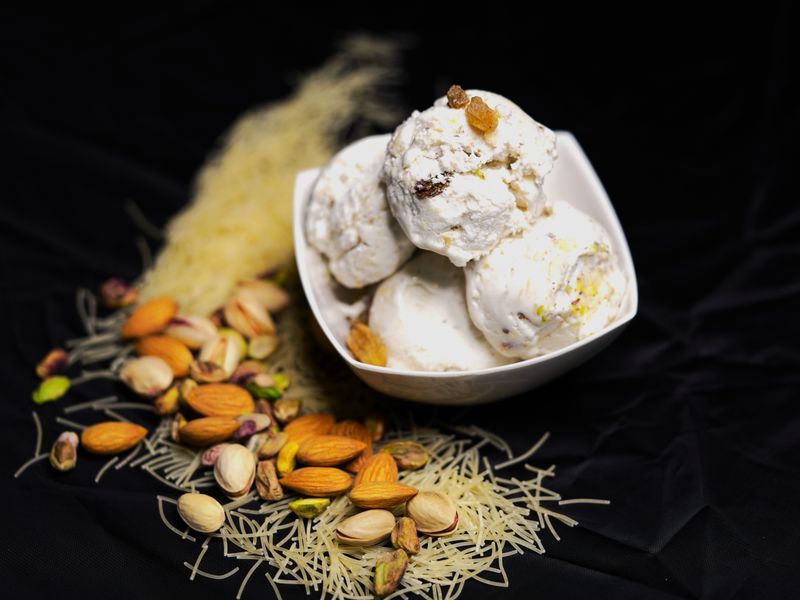
Fine vermicelli (seviyan)
Very thin, short wheat noodles from a Desi grocery store, plain or pre-roasted. Not the thicker Italian vermicelli.
Also called Sevaiyan · Semiya · Vermicelli Milk Pudding · सेवइयां · سویاں
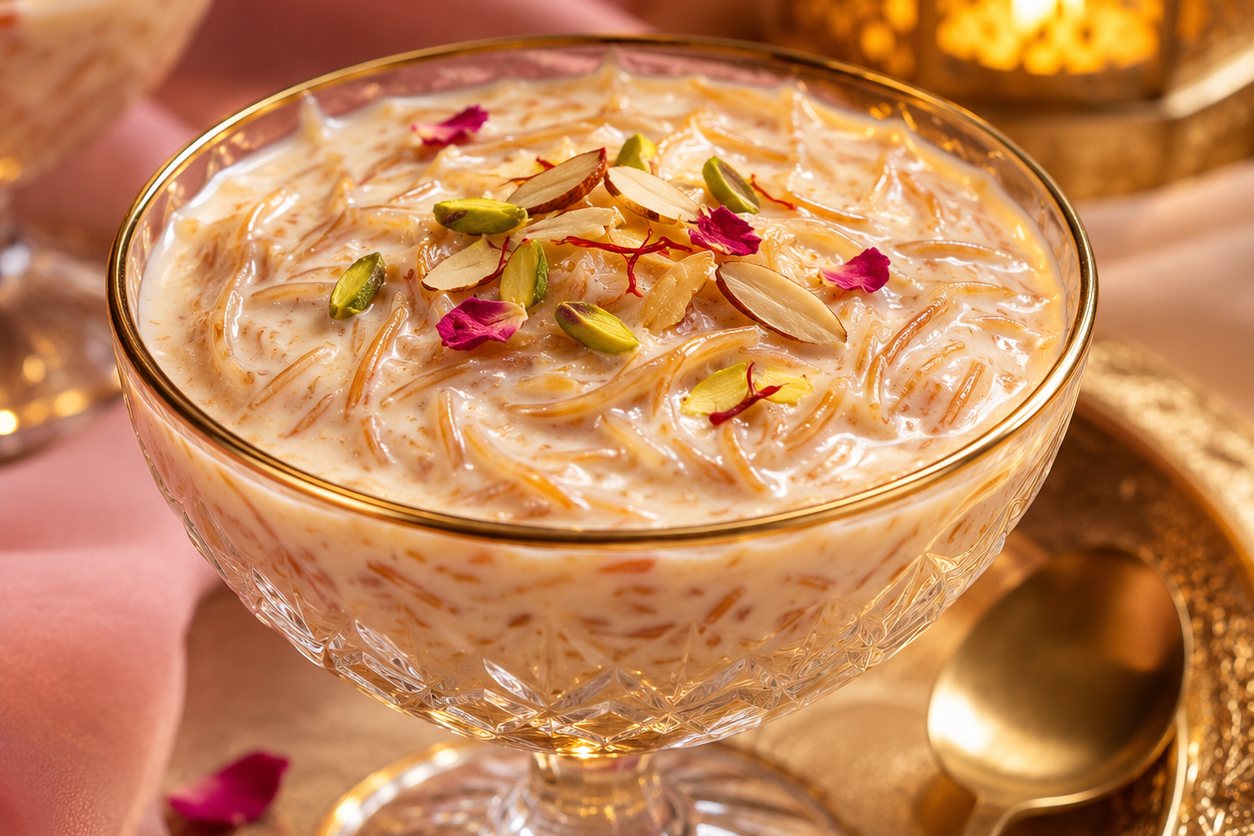
Fine vermicelli toasted in butter until golden, stirred into milk that’s been simmered until slightly thick, and sweetened at the very end. Quick, easy and comforting, with the science behind why each step matters.
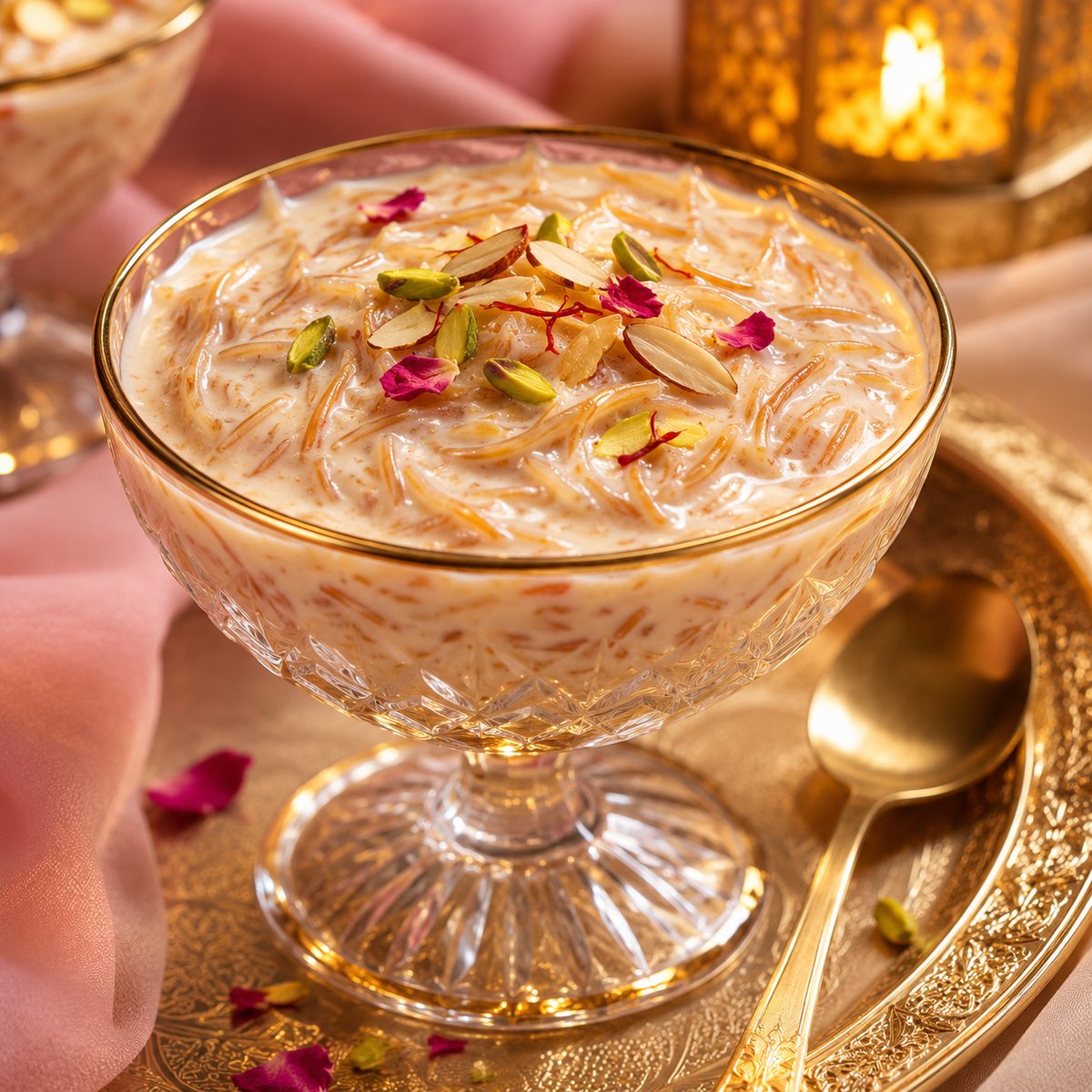
Seviyan (vermicelli kheer) is fine vermicelli toasted in butter and simmered in milk with sugar and cardamom, the sweet served on Eid mornings and festive days.

This one started as a mistake. I was trying to make kunafa, the Middle Eastern dessert of buttery shredded pastry, and it just didn’t work out.
So I toasted fine vermicelli in butter, simmered some milk until it thickened a little, stirred the two together and added sugar at the end. It turned out to be one of the quickest, easiest desserts I make.
What started as a failed kunafa became a fifteen-minute dessert that tastes really good.
Seviyan (also spelled sevaiyan; semiya in South India) are very fine wheat vermicelli, and the name is also used for the sweet dishes made from them. This one is a milk version, close to seviyan kheer and to sheer khurma, the vermicelli-and-milk dessert served at Eid.
Look for the fine, short vermicelli sold in Desi grocery stores, often labeled “vermicelli,” “seviyan” or “roasted vermicelli.” It’s much thinner than Italian vermicelli pasta, which is why it cooks in minutes.

Just four ingredients, with their English, Hindi and Urdu names.

Very thin, short wheat noodles from a Desi grocery store, plain or pre-roasted. Not the thicker Italian vermicelli.

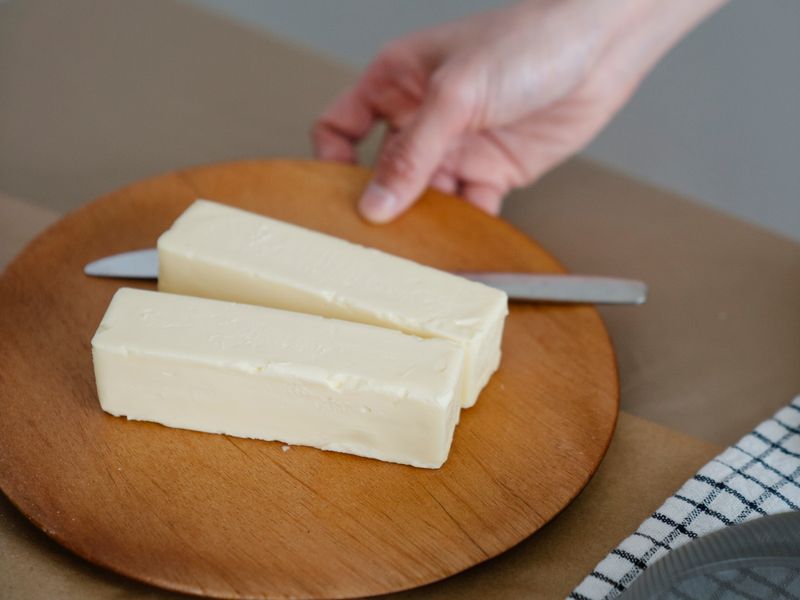
Unsalted butter, or ghee.

Full-fat milk.

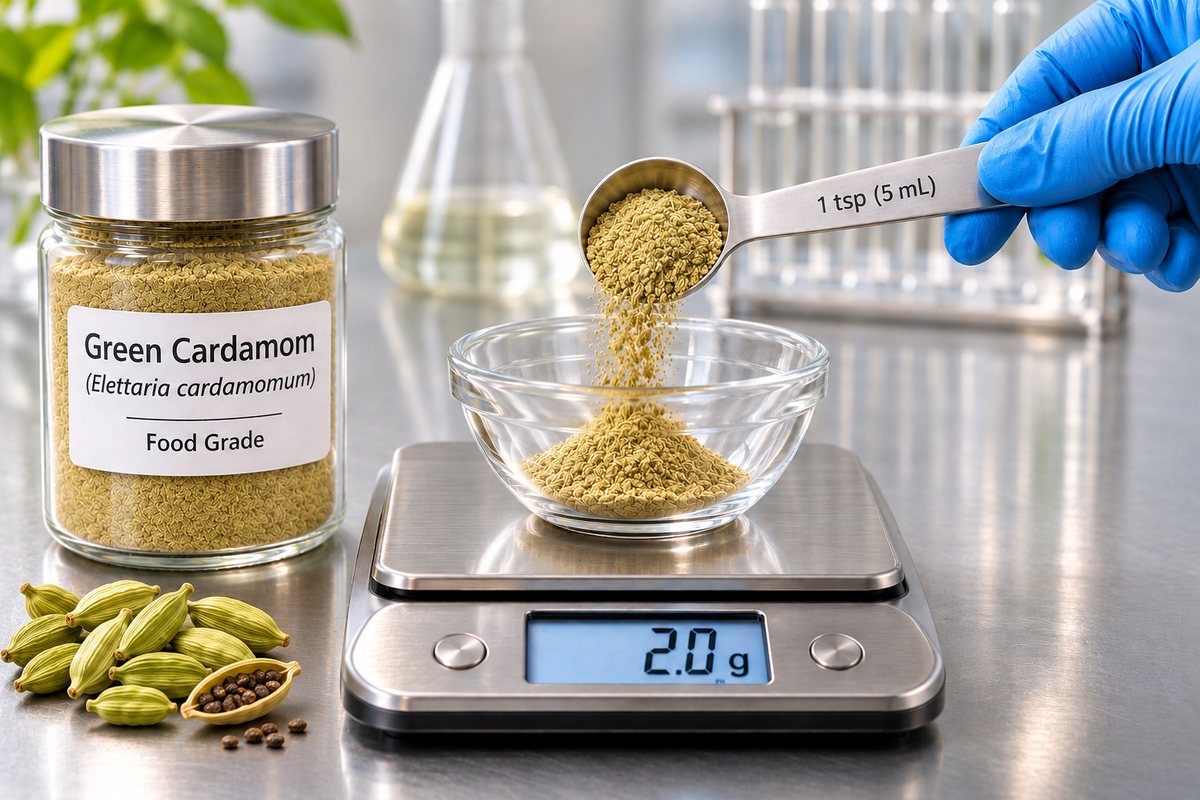
Ground cardamom or a few crushed pods.
Restaurant cooks do these things by habit. Here’s what each step is actually doing to the food, so you can cook by understanding instead of guesswork.
Toast the vermicelli in butter over medium-low heat, stirring, until golden brown.
Dry heat with fat browns the wheat through the Maillard reaction, giving the noodles a nutty, toasty flavor. The butter’s own milk solids brown too, adding a brown-butter note. Each strand also gets a thin coat of fat, which keeps the strands separate in the milk so they soften evenly instead of clumping into a paste.
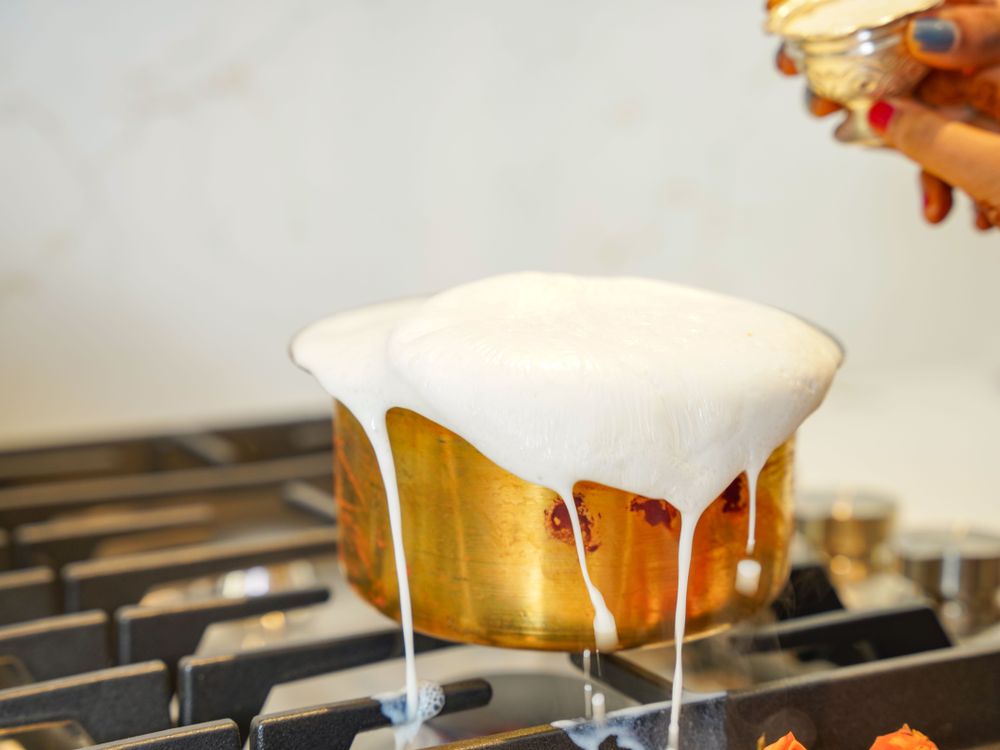
Simmer the milk for 8–10 minutes, stirring and scraping the bottom, until slightly thickened.
Milk is mostly water. Simmering evaporates some of it and concentrates the milk’s sugar, protein and fat, so the pudding tastes richer and creamier. Stirring and scraping matter: milk proteins concentrate at the surface into a skin and stick to the hot bottom of the pan, where they can scorch.
Stir in the sugar after the vermicelli has softened.
Sugar competes with starch for water; cereal chemists have shown that sucrose slows the swelling of wheat starch. Adding it last lets the vermicelli absorb milk and soften fully first. It also lets you taste the finished dessert and sweeten it exactly to your liking.
Take it off the heat while it’s still a little looser than you want.
Starch released by the vermicelli keeps setting as the pudding cools, and the butterfat firms up. Served warm it’s silky; chilled it’s much thicker. Stir in a splash of milk to loosen it.
Exact amounts and timings are in the recipe card below.
A quick dessert with real milk in it, and moderate sugar.
3.0 g protein per 100 calories. Estimated from the ingredients with USDA FoodData Central values.
Gym-friendly tip: Treat-sized. For more protein, serve with a cup of milk (+8 g) or Greek yogurt.
Each serving contains about a cup of milk, roughly 300 mg of calcium, which is close to a third of an adult’s daily needs.
⅓ cup of sugar across 4 servings is about 17 g of added sugar per serving (estimated), about a third of the daily limit on a 2,000-calorie diet, and less than many store-bought desserts.
General nutrition information, not medical advice. Numbers marked “estimated” are calculated from the recipe’s ingredients and vary with brands and portions. If you have diabetes, heart or kidney disease, a food allergy, or are pregnant, ask your doctor or a registered dietitian how this dish fits your diet.
Health sources: NIH Office of Dietary Supplements: Calcium · Dietary Guidelines for Americans
See the full ingredient health guide: benefits, traditional roots and the science →
Vermicelli: very thin wheat noodles. Seviyan kheer is vermicelli simmered in milk.
Kunafa is a Middle Eastern dessert made from fine shredded pastry baked or fried in butter. Toasting fine vermicelli in butter gives a similar nutty, buttery flavor, which is how a kunafa attempt turned into this seviyan.
Yes. It’s already golden, so toast it in the butter for just 1–2 minutes.
Sugar slows how fast the vermicelli absorbs liquid. Added last, it lets the strands soften fully first, and you can sweeten to taste.
It’s a close cousin. Sheer khurma, made for Eid, adds dates, nuts and often more cardamom to a similar vermicelli-and-milk base.

Quick seviyan: fine vermicelli toasted in butter, stirred into milk simmered until slightly thick, with sugar added at the end. A 20-minute dessert, with the food science behind each step.
This dessert is quickest on the stove, but an Instant Pot works on Sauté mode, used as a pot. No pressure cooking.
How much to make, based on 4 people eating it once a day. One batch of this recipe makes 4 servings.
Why only a few days in the fridge? Refrigeration slows bacteria but doesn’t stop them; some, like Listeria, can still grow at fridge temperatures, which is why food-safety agencies set cooked leftovers at 3–4 days. Freezing at 0°F stops growth completely, so frozen portions stay safe indefinitely; the freezer times above are for best taste and texture.
Food-safety guidance: USDA, Leftovers and Food Safety · FoodSafety.gov storage chart