Lobia (black-eyed peas)
लोबियाلوبیا
lobiyā
Dried.
Its job: The curry.
Also called Rongi · Chawli · Black-Eyed Peas Curry · लोबिया मसाला · لوبیا
Creamy black-eyed peas in a spiced onion-tomato masala, ready faster than rajma or chole.
 From the MedRise Food Science kitchenPublished
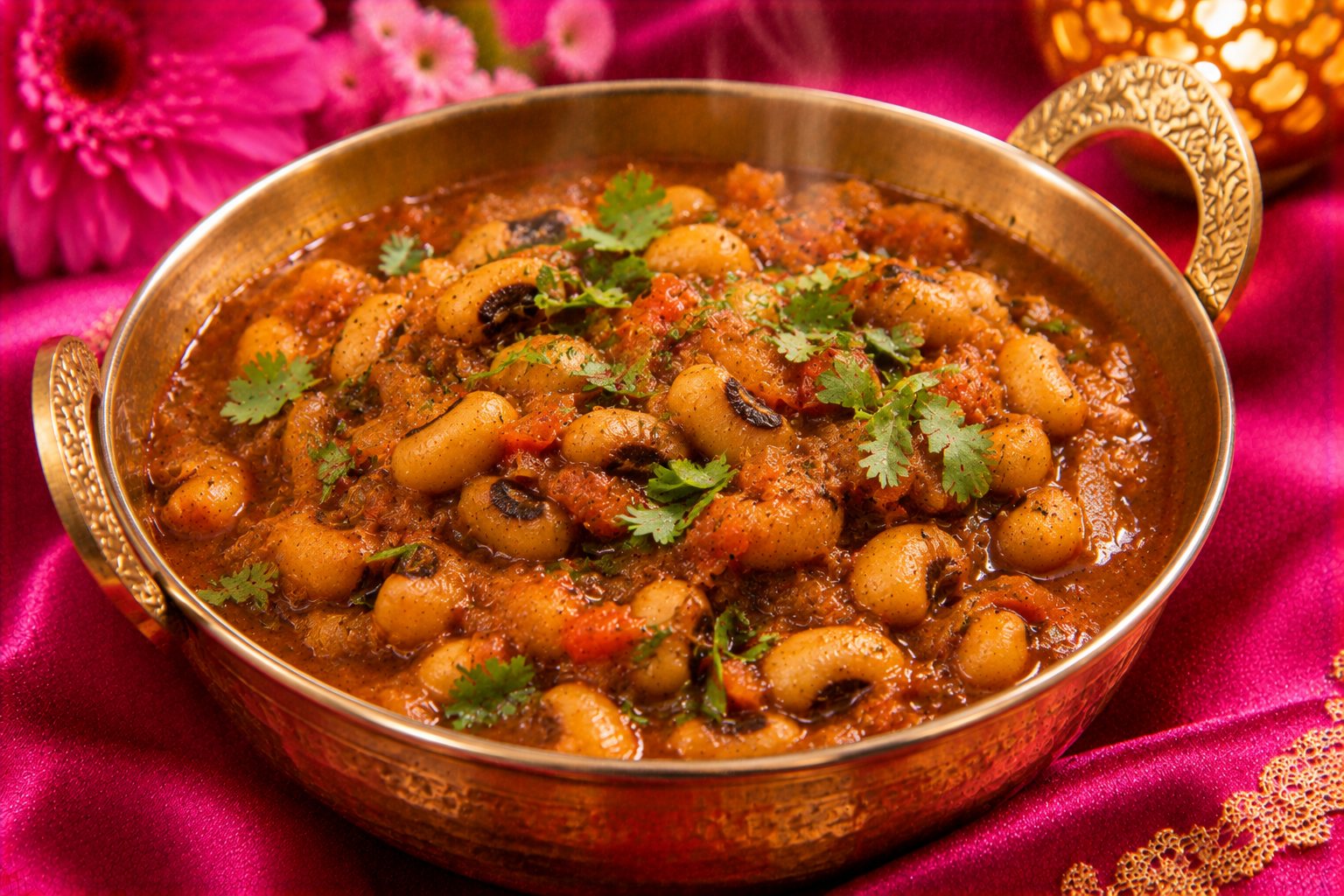
Lobia (black-eyed peas, also called rongi or chawli) cooked in a masala gravy, a home-style curry eaten with rice or roti across Punjab and Pakistan.
The main ingredients, with their English, Hindi and Urdu names.
Dried.
Grow it yourself: Tomatoes, Cilantro (dhania), Garlic, Ginger
Restaurant cooks do these things by habit. Here’s what each step is actually doing to the food, so you can cook by understanding instead of guesswork.
Pressure cook 8 minutes soaked, 15 unsoaked.
Black-eyed peas have thin skins and small seeds, so water reaches the center quickly.
Cumin, then onions, ginger-garlic, salt and powdered spices, tomatoes, and garam masala last.
Each step cooks in the order its flavor needs: whole cumin blooms in hot fat, onions brown and sweeten, ginger-garlic loses its raw edge, ground spices toast for seconds without burning, tomatoes cook down until the oil separates, and garam masala goes in last so its aroma survives.
Score, blanch for 30–60 seconds, chill in ice water, and the skins slip right off. Peeled tomatoes cook into a smoother, silkier masala with no chewy flecks of skin.
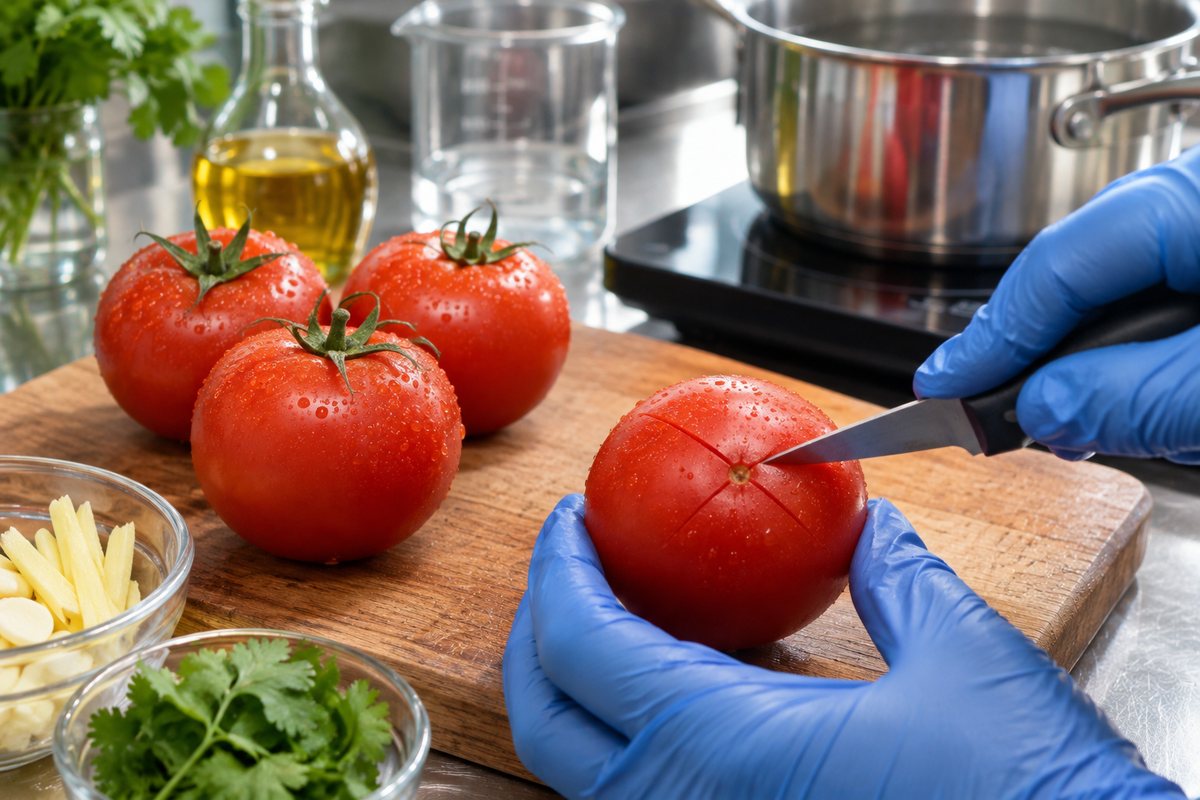
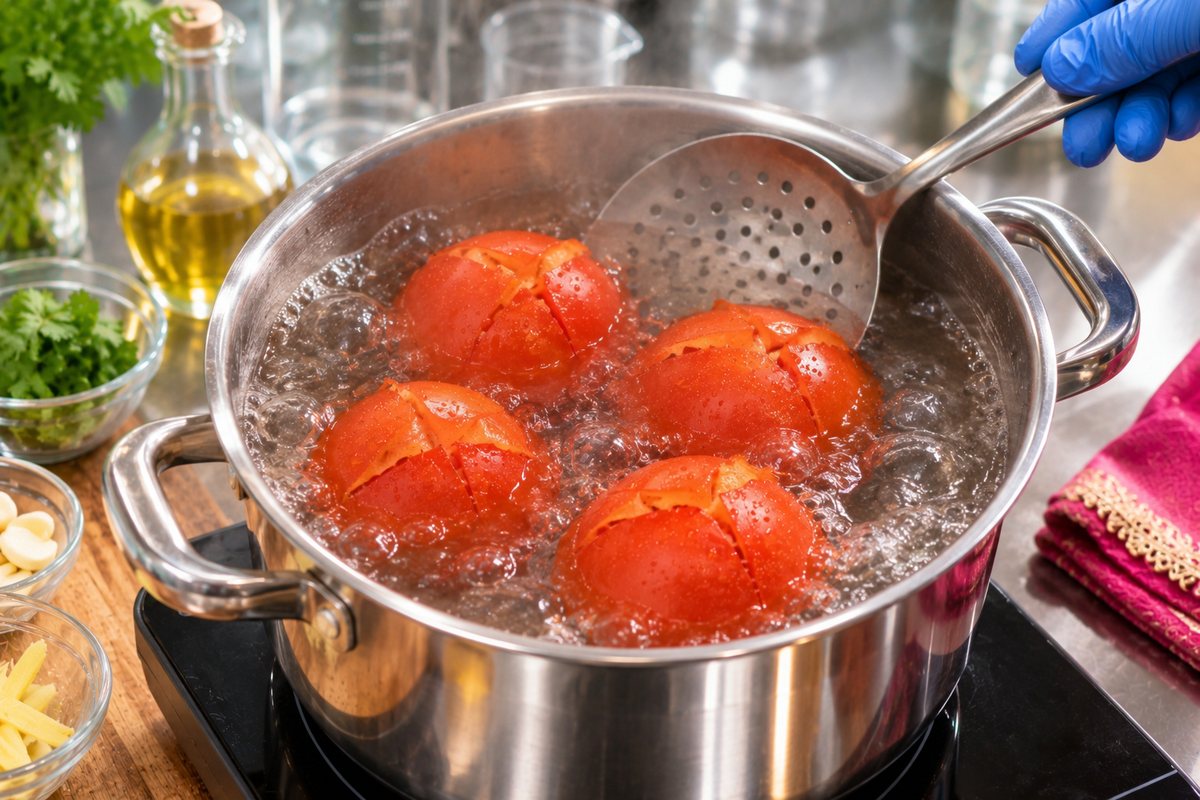
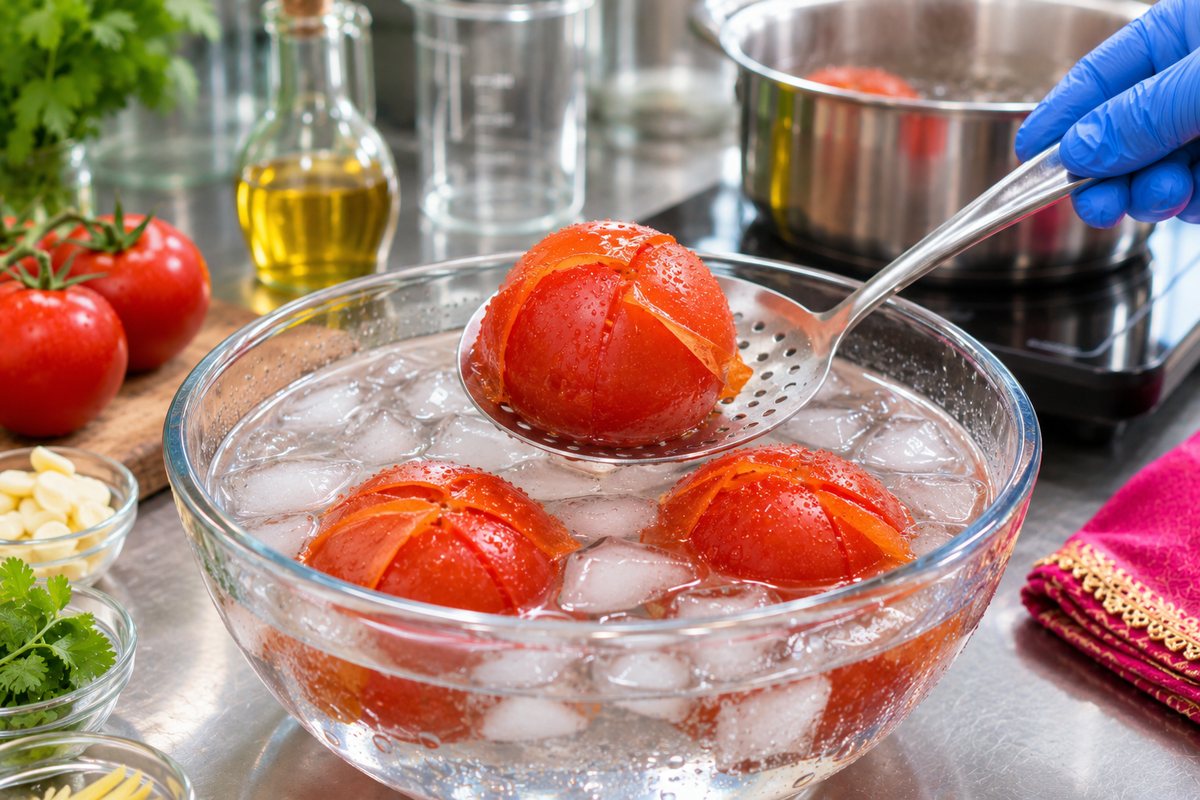
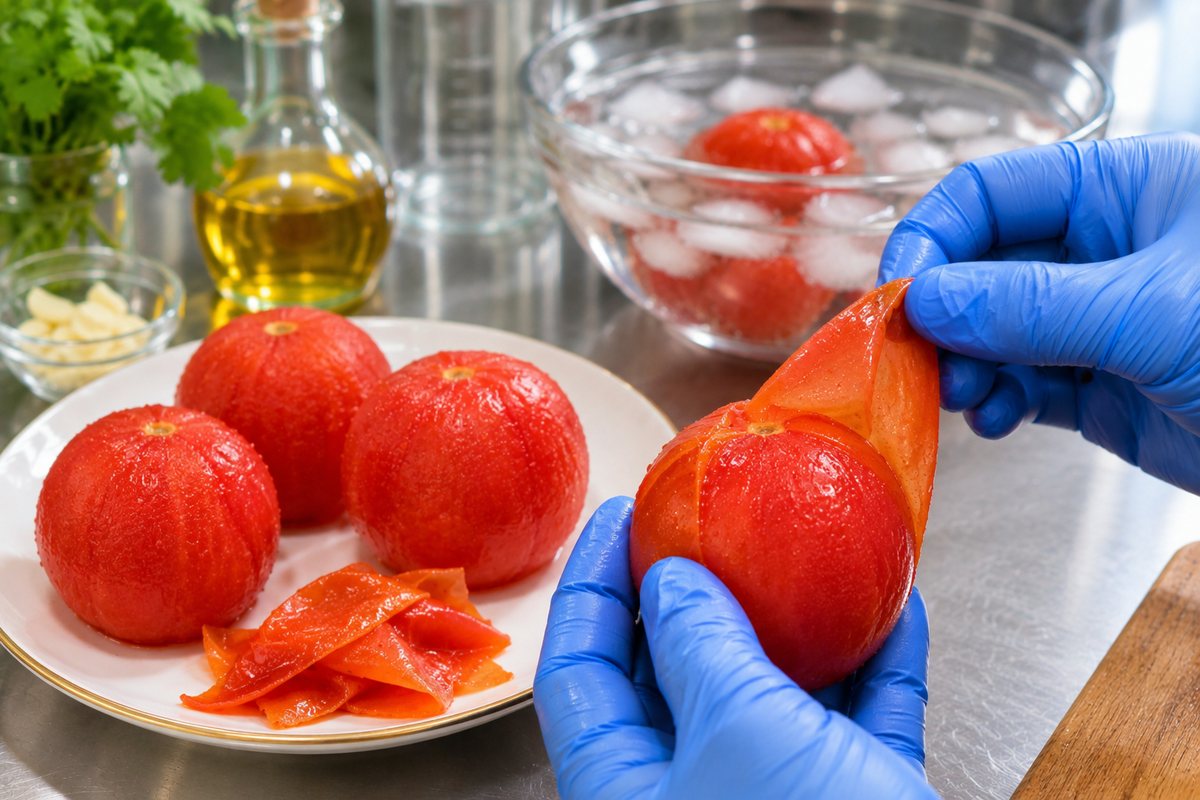
Tomato skin is a tough, waxy layer that doesn’t break down with cooking; in a long-cooked masala it curls into chewy flecks. The skin is also where almost all of a tomato’s flavonoids sit, mainly naringenin chalcone and rutin, the kind of plant compounds that can taste faintly bitter or astringent. Texture is the bigger, better-proven reason, but peeled tomatoes give the smoothest, cleanest-tasting gravy.
A short plunge heats only the outer layer. The heat weakens the pectin that glues the skin to the flesh, and steam forming underneath pushes the skin away, so it splits and curls back at the X while the flesh inside stays raw and firm.
Ice water stops the cooking at once, so the flesh doesn’t turn soft and mushy, and makes the tomatoes cool enough to peel right away. More than about a minute in the boiling water starts to cook the flesh.
Sources: National Center for Home Food Preservation: Put It Up! Boiling Water Canning · Muir et al., Nature Biotechnology (2001): flavonoids in tomato peel
Exact amounts and timings are in the recipe card below.
A fiber-rich bean curry.
4.1 g protein per 100 calories. Estimated from the ingredients with USDA FoodData Central values.
Gym-friendly tip: Serve with ¾ cup plain Greek yogurt as raita (about +16 g protein) or stir 100 g cubed paneer into the finished dal (about +18 g).
Black-eyed peas supply both, plus folate.
General nutrition information, not medical advice. Numbers marked “estimated” are calculated from the recipe’s ingredients and vary with brands and portions. If you have diabetes, heart or kidney disease, a food allergy, or are pregnant, ask your doctor or a registered dietitian how this dish fits your diet.
Health sources: Harvard T.H. Chan School of Public Health: Legumes and pulses
See the full ingredient health guide: benefits, traditional roots and the science →
No; unsoaked just needs a longer pressure-cooking time.
Desi restaurant favorites, recreated at home and explained with food science: every recipe is tested in a home kitchen and comes with the why behind each step.
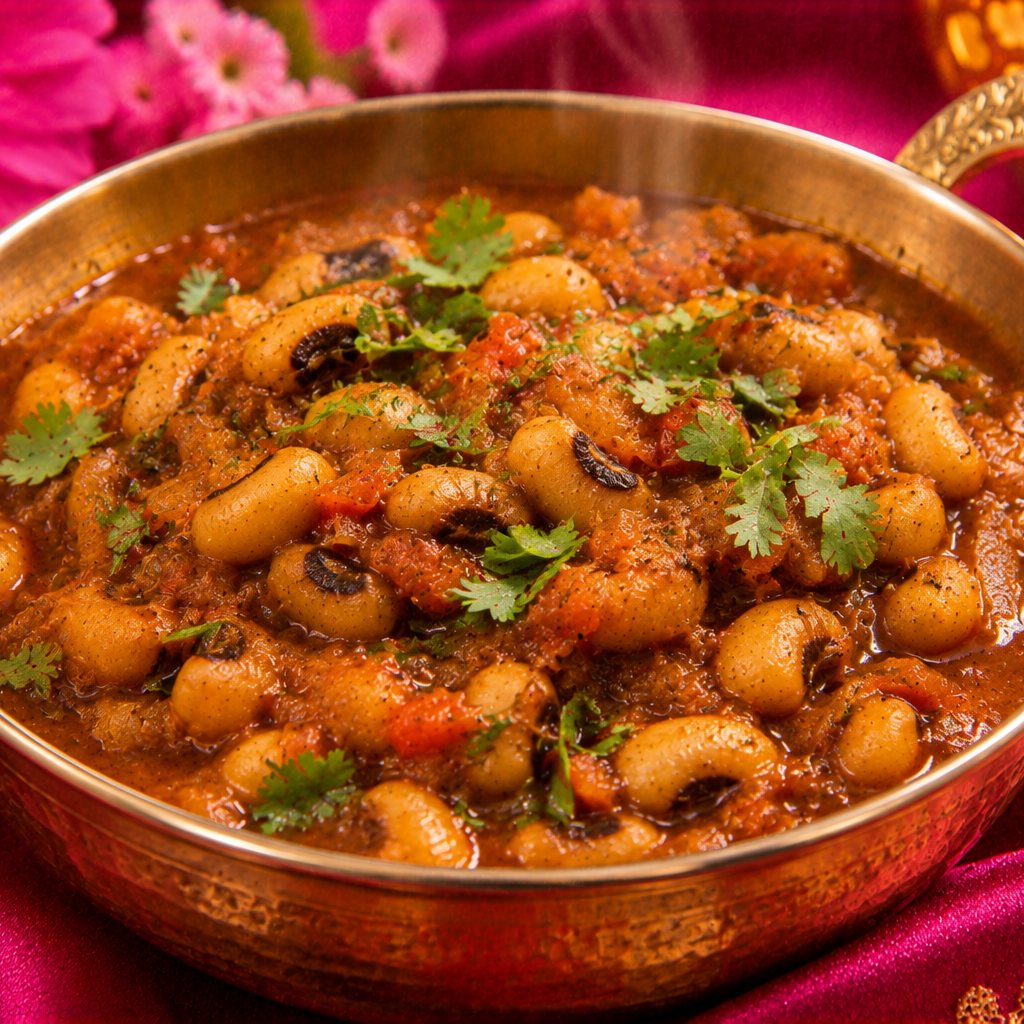
Instant Pot lobia masala: black-eyed peas pressure-cooked in a Punjabi onion-tomato masala. Hearty, high in fiber and plant protein, and faster than most beans.