Thick poha (flattened rice)
पोहाپوہا
pohā
Thick or medium flakes, not thin.
Its job: The base.
Also called Poha · Aloo Poha · Indori Poha · कांदा पोहा · पोहा · پوہا
Rinsed flattened rice tossed with onions, mustard seeds, curry leaves, peanuts, turmeric and green chili, finished with lemon, cilantro, sev and pomegranate.
Kanda poha is flattened rice cooked with onions, mustard seeds, curry leaves and turmeric, ready in 20 minutes.
 From the MedRise Food Science kitchenPublished
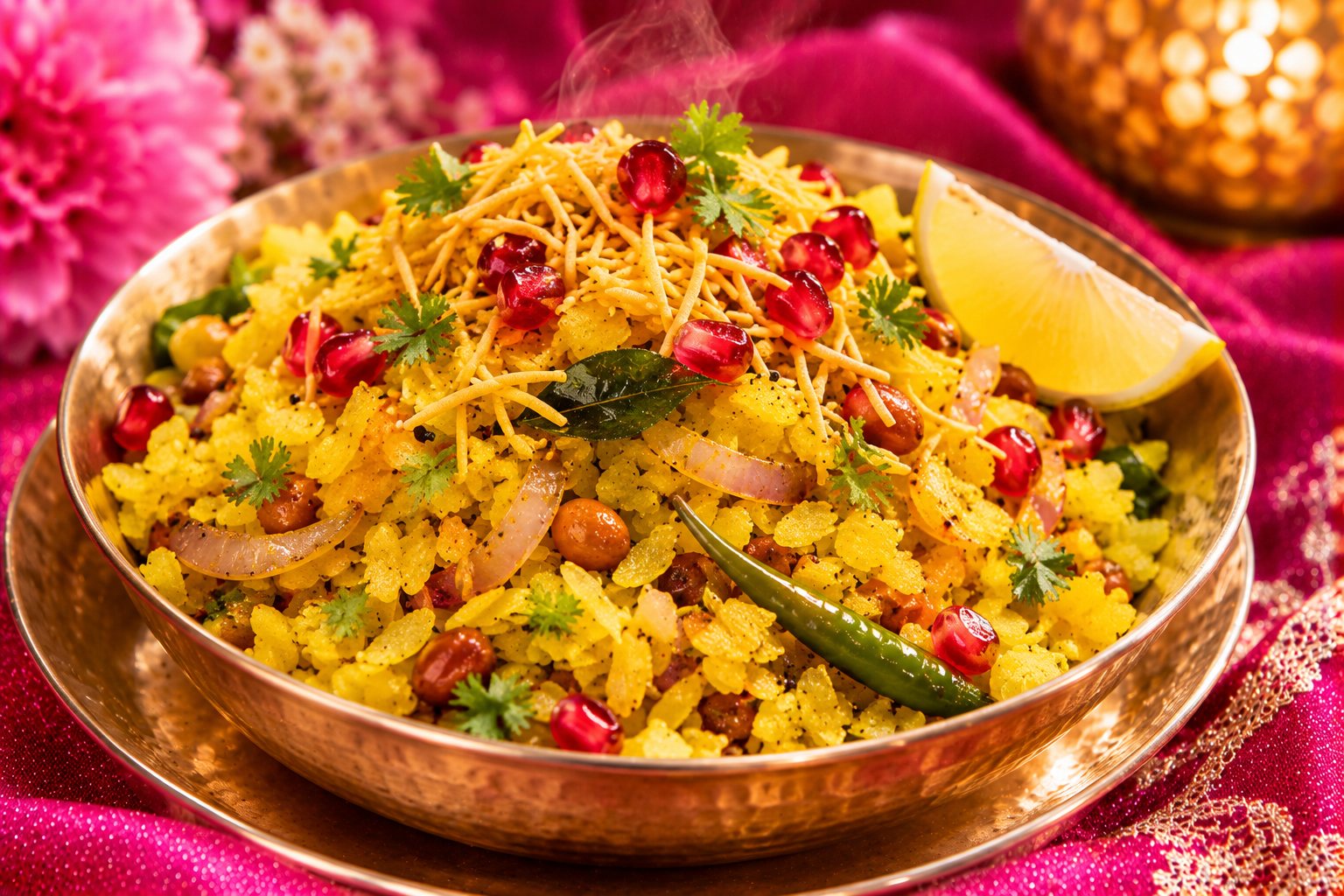
Poha is flattened rice, and kanda poha (kanda means onion in Marathi) is the everyday breakfast of Maharashtra and Indore, cooked with onions, mustard seeds, curry leaves and turmeric and finished with lemon.
The main ingredients, with their English, Hindi and Urdu names.
Thick or medium flakes, not thin.
Fresh.
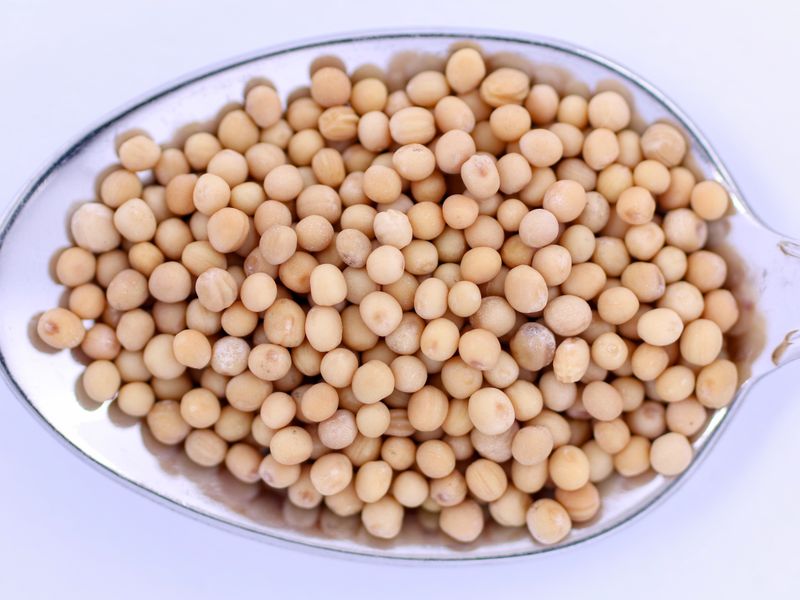
Black or brown.
Grow it yourself: Potatoes, Green chilies, Cilantro (dhania), Curry leaf tree
Restaurant cooks do these things by habit. Here’s what each step is actually doing to the food, so you can cook by understanding instead of guesswork.
Rinse in a strainer for 20 seconds and let it drain.
Poha is pre-cooked, pressed rice; it absorbs water fast. A quick rinse softens it, while soaking turns the starch to paste.
Toss the drained poha with salt, sugar and turmeric before it hits the pan.
Seasoning while damp spreads it evenly, so you stir less in the pan and break fewer flakes.
Add lemon off the heat.
Heat dulls lemon’s fresh flavor; added last it stays bright.
Exact amounts and timings are in the recipe card below.
A light breakfast.
2.1 g protein per 100 calories. Estimated from the ingredients with USDA FoodData Central values.
Gym-friendly tip: Pair with a protein: ¾ cup Greek yogurt dip (about +16 g) or a boiled egg on the side (+6 g each).
Poha is quick-cooking and light; peanuts add protein and fat that help it keep you full.
General nutrition information, not medical advice. Numbers marked “estimated” are calculated from the recipe’s ingredients and vary with brands and portions. If you have diabetes, heart or kidney disease, a food allergy, or are pregnant, ask your doctor or a registered dietitian how this dish fits your diet.
Health sources: Dietary Guidelines for Americans
See the full ingredient health guide: benefits, traditional roots and the science →
It’s a light breakfast; peanuts and a side of yogurt make it more filling.
It was soaked; rinse it briefly instead.
Sprinkle a few tablespoons of water and steam 1 more minute.
Thick; thin poha is for chivda.
Desi restaurant favorites, recreated at home and explained with food science: every recipe is tested in a home kitchen and comes with the why behind each step.
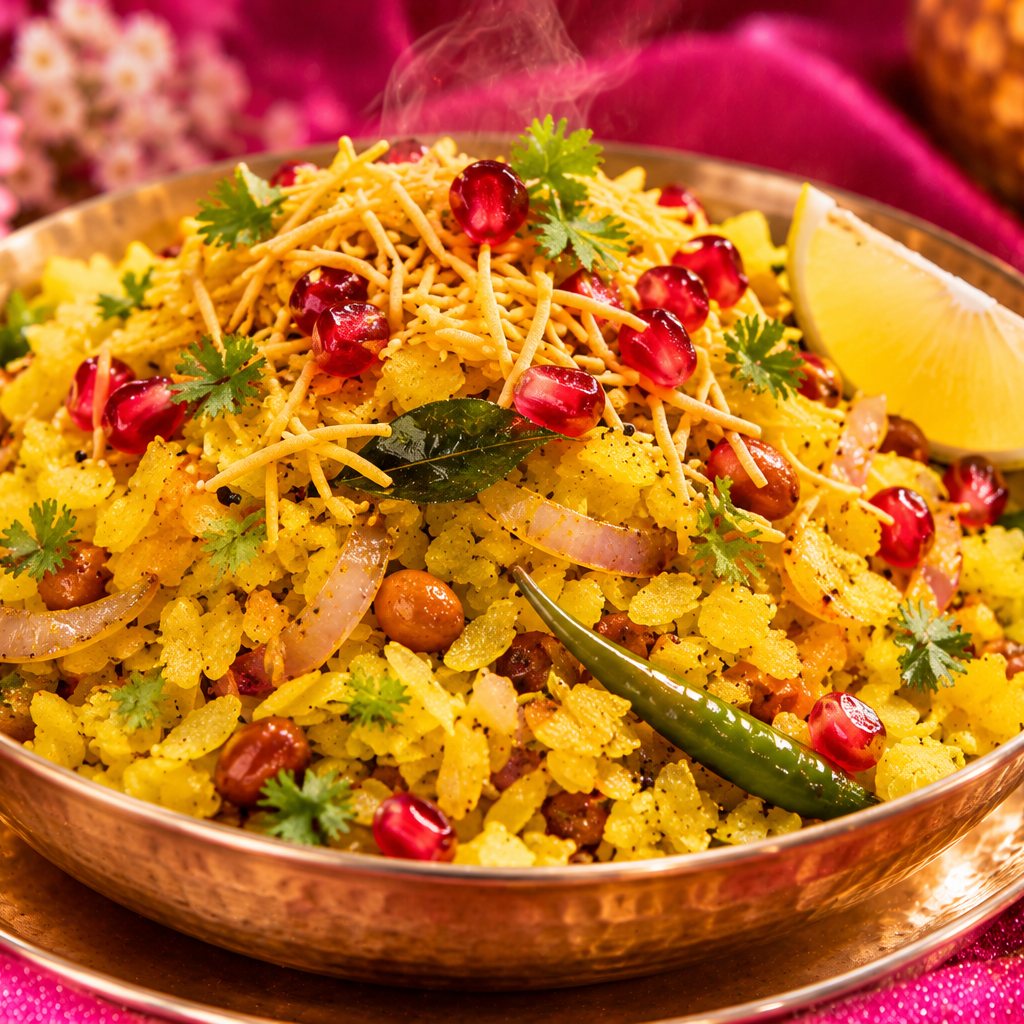
Fluffy kanda poha in 20 minutes: flattened rice with onions, mustard seeds, curry leaves, peanuts, turmeric and lemon, topped with sev and pomegranate. With the food science of poha that isn’t mushy.