Besan
बेसनبیسن
besan
Chickpea flour.
Its job: The batter.
Also called Pyaaz Pakora · Mix Veg Pakora · Bhajiya · बेसन पकोड़ा · प्याज़ पकोड़ा · بیسن پکوڑے
Thin onions, potato and spinach bound with spiced besan and almost no water, fried until crisp and golden.
Besan pakoras are onion and vegetable fritters in spiced chickpea-flour batter, fried until crisp.
 From the MedRise Food Science kitchenPublished
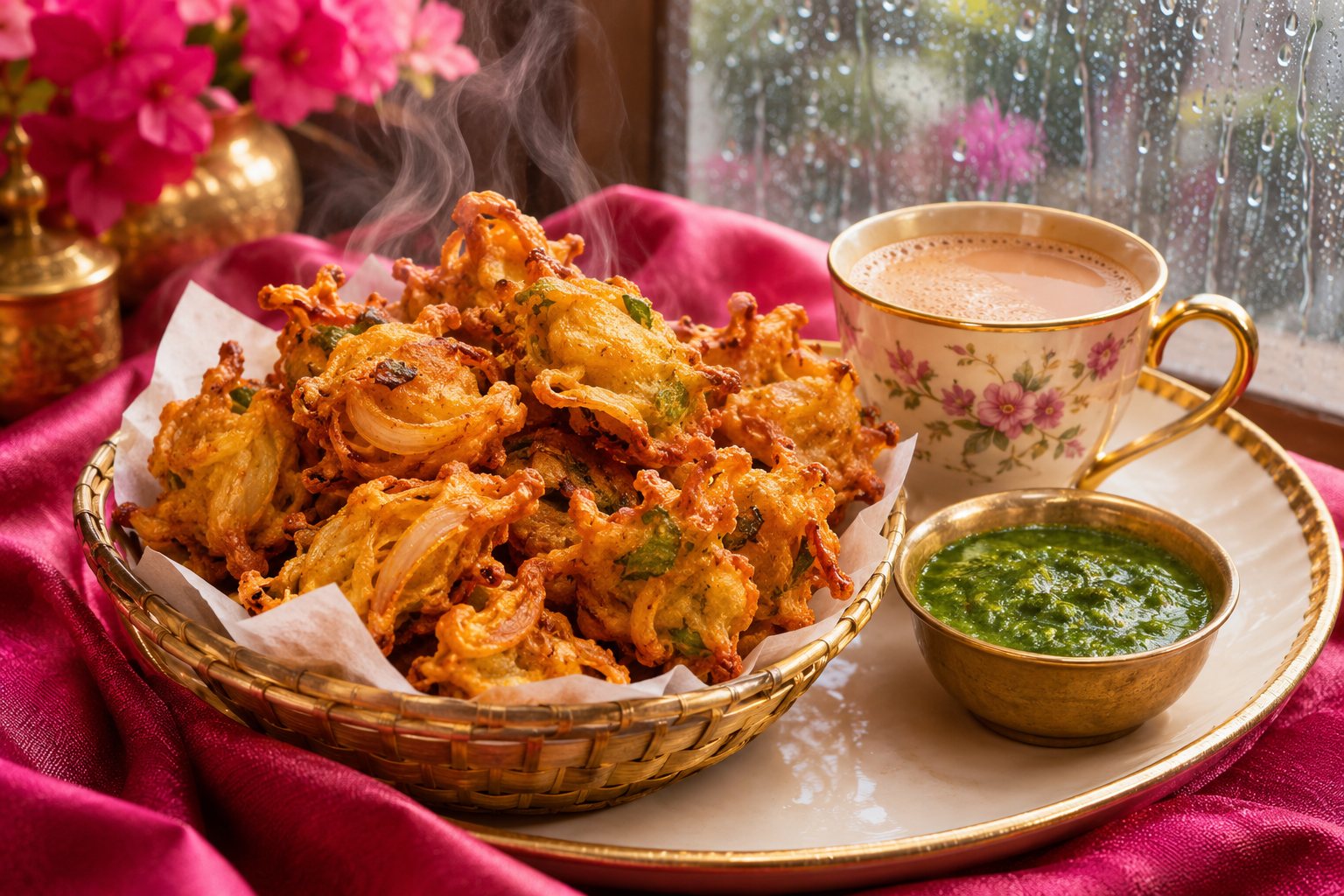
Pakoras are vegetables in spiced chickpea-flour (besan) batter, fried until crisp. They’re the snack of the monsoon, made the moment it rains, with chai. For the bread version, see bread pakora.
The main ingredients, with their English, Hindi and Urdu names.
Chickpea flour.
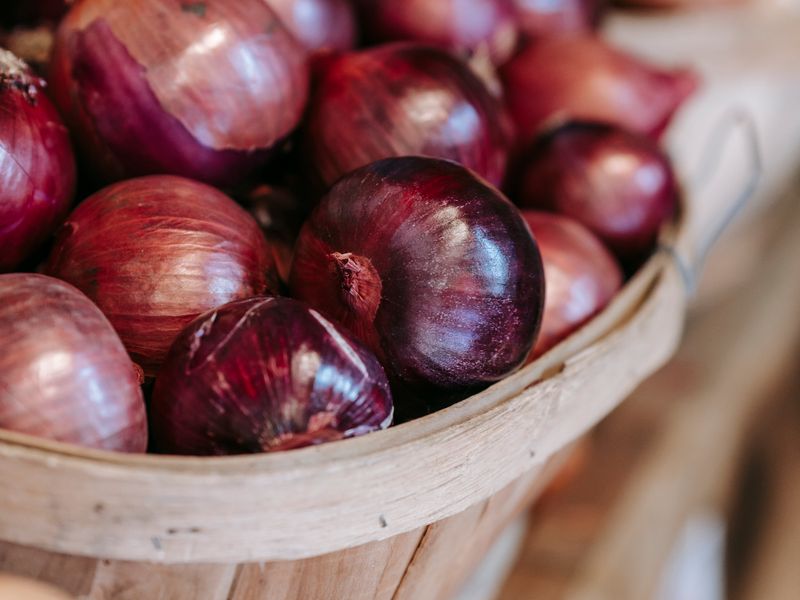
Thinly sliced.
Tiny seeds.
Grow it yourself: Potatoes, Green chilies, Cilantro (dhania)
Restaurant cooks do these things by habit. Here’s what each step is actually doing to the food, so you can cook by understanding instead of guesswork.
Salt the onions and let them sit 10 minutes before adding besan.
Salt pulls water out of the onions by osmosis; that juice hydrates the besan, so you need little or no added water and the batter fries crisper.
Add a little rice flour.
Rice flour has no gluten and fries into a brittle, glassy crust.
Keep the oil at 350°F (175°C).
Too cool and the batter soaks up oil; too hot and the outside darkens before the inside cooks.
Exact amounts and timings are in the recipe card below.
A fried snack with a legume-flour batter.
3.0 g protein per 100 calories. Estimated from the ingredients with USDA FoodData Central values.
Gym-friendly tip: Pair with a protein: ¾ cup Greek yogurt dip (about +16 g) or a boiled egg on the side (+6 g each).
Besan has more protein and fiber than wheat flour.
General nutrition information, not medical advice. Numbers marked “estimated” are calculated from the recipe’s ingredients and vary with brands and portions. If you have diabetes, heart or kidney disease, a food allergy, or are pregnant, ask your doctor or a registered dietitian how this dish fits your diet.
Health sources: Harvard T.H. Chan School of Public Health: Legumes and pulses · Dietary Guidelines for Americans
See the full ingredient health guide: benefits, traditional roots and the science →
Salt the onions first so they release water, add a little rice flour and fry at 350°F.
Too much water or the oil was too cool.
Fry once until pale, then re-fry for 1 minute just before serving.
Desi restaurant favorites, recreated at home and explained with food science: every recipe is tested in a home kitchen and comes with the why behind each step.
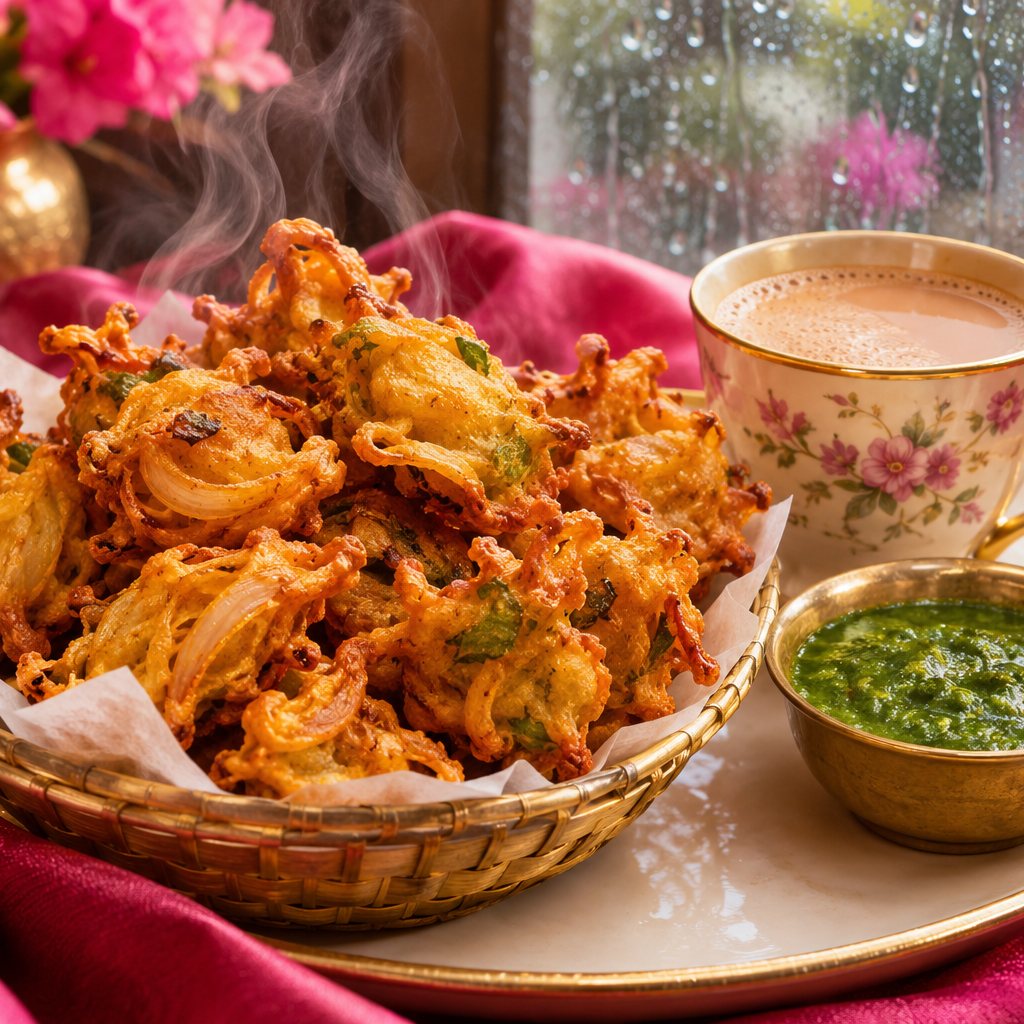
Crispy besan pakoras: onion, potato and spinach in a spiced chickpea-flour batter, fried until golden. The rainy-day snack with chai, with the food science of extra-crisp pakoras.